Mushroom season in Cantabria starts in mid-to-late September and runs through December, with October and November as the most productive months. Near Bareyo, the woods of Trasmiera and the Pas valleys are the usual spots. For personal consumption, the legal limit is 3 kg per person per day.
As temperatures start to drop and the first September rains arrive, much of Cantabria fills up on weekends with people carrying wicker baskets and pocket knives, combing the woods for mushrooms. You don't need to be an expert to get started, but it does help to know when to go, where to look, and what rules apply before you head into the trees.
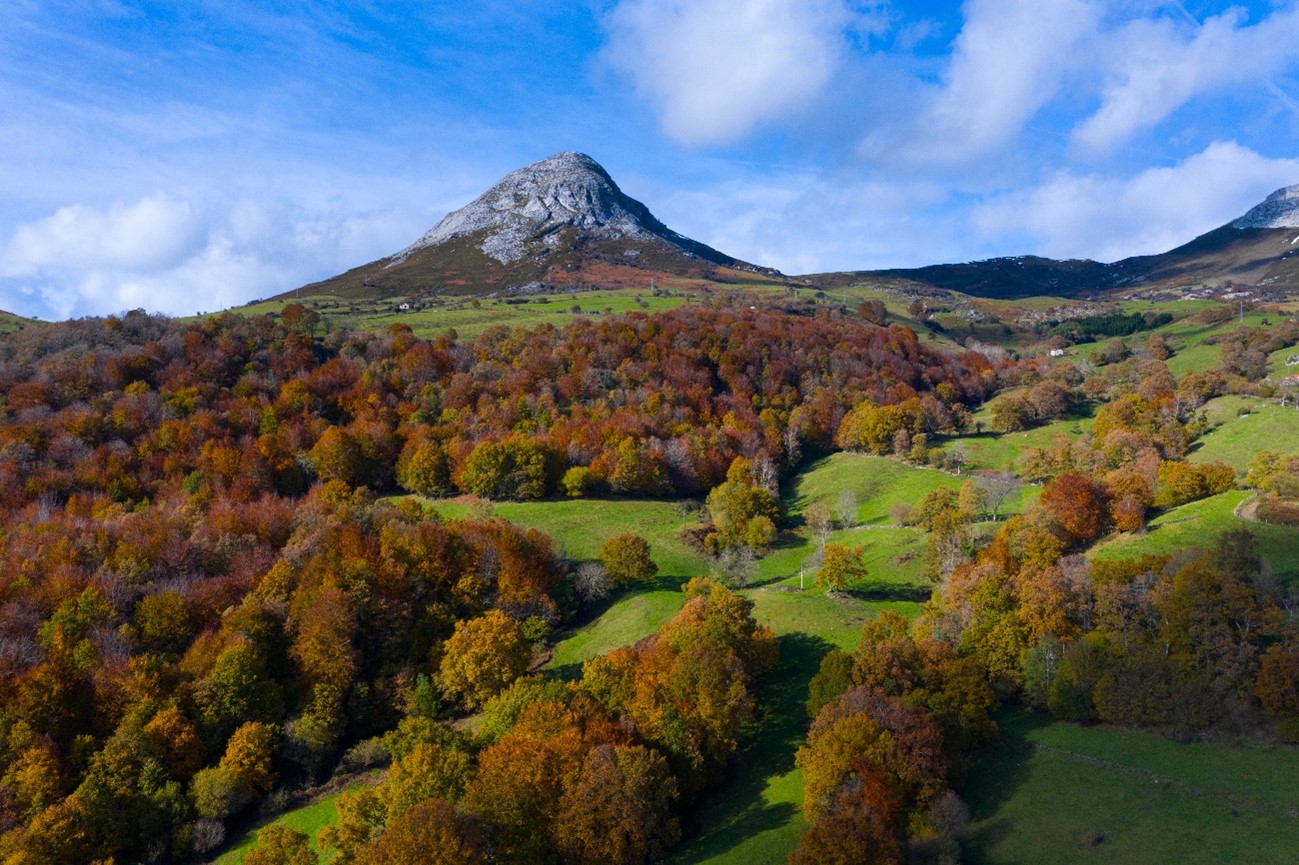
Near Bareyo there are no large beech forests like inland, but within less than an hour you'll find areas with a strong mushroom-picking tradition. Here's what you need to know to plan your trip without straying onto land you shouldn't or skipping the permits. If you're curious about what else to do in Cantabria depending on the season, take a look at our guide to when to visit Cantabria.
When mushroom season starts near Bareyo
In Cantabria, mushroom season starts, roughly speaking, in mid-to-late September, once temperatures dip a little and the first post-summer rains dampen the forest floor. The bulk of the season, though, runs from October to December, and can stretch well into winter in mild years. The exact date depends far more on rainfall than on the calendar: mushrooms typically start popping up two or three days after a good downpour, so it's worth checking the forecast rather than the date.
Where to look: the hills and valleys near Bareyo
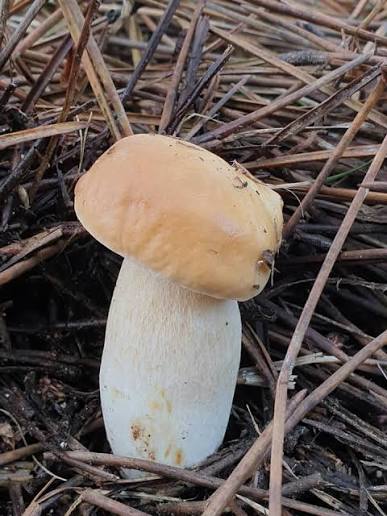
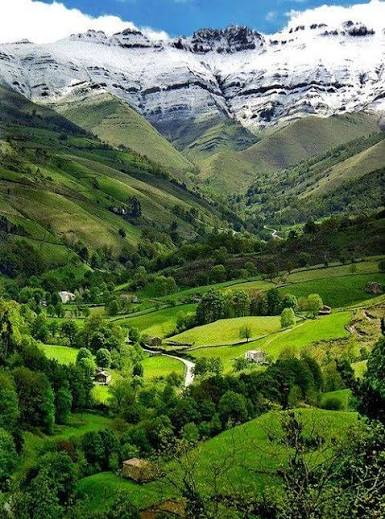
The Trasmiera coast, where Bareyo is located, has less woodland than the interior, so most serious foraging trips start thirty to forty minutes south, toward the Pas valleys (Selaya, Vega de Pas, San Roque de Riomiera) or toward the Soba and Ruesga valley, on the border with eastern Cantabria. These are oak and beech woodland areas with a strong mushroom-picking tradition, especially for saffron milk caps and porcini in October and November. A good trick for beginners is to pay attention to the type of tree rather than the mushroom itself: each fungus species tends to be associated with a particular tree, so learning to recognise oaks, beeches and chestnuts helps more than you'd think when it comes to finding something. As with any foraging spot, avoid always going back to the same exact patch: leaving young mushrooms in place and not disturbing the soil helps the same spot keep producing year after year.
Permits and rules: what Cantabria's regional government says
Cantabrian regulations (Orden MED/39/2016) set a maximum of 3 kg of mushrooms per person per day on public land for personal consumption, with no permit needed if you're registered as a resident in the municipality where you're foraging. If you're not, or if you plan to sell what you gather, you need a permit, which is requested by paying a fee of 30 euros per season, with a minimum age of 14 to apply. You can check the latest details on the Cantabria regional government's environment website. The fee is paid at regional environment offices or online, and it's worth applying a few days ahead so you don't end up without it on the weekend you've planned your trip. It's a good idea to carry the permit with you if you've requested one, since forest rangers carry out routine checks during peak season.
What you need to know
Never eat a mushroom you can't identify with total certainty: even if you think you recognise it, many toxic species look very similar to edible ones. If you're unsure, most pharmacies in the region offer a free identification service during peak season. Use a wicker basket instead of a plastic bag, so spores scatter along the way, and cut the mushroom at the base rather than pulling it out by the root. Wear proper hiking boots, since the ground gets slippier than it looks after rain, and avoid going alone if you're heading to less-travelled areas.
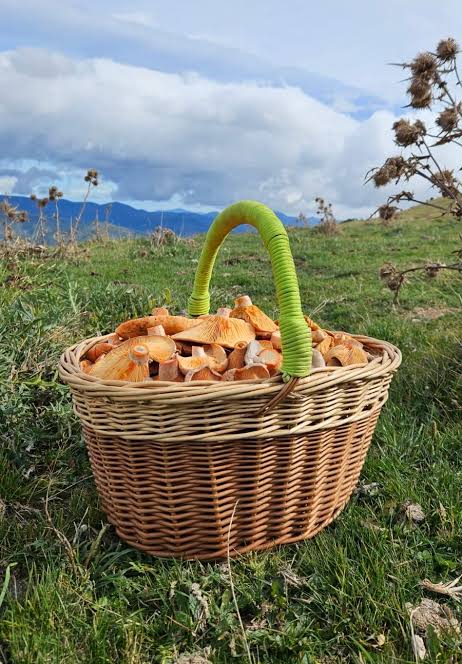
The golden rule for any amateur mushroom hunter is simple: if you have even the slightest doubt, don't eat it.
If you've never been mushroom foraging before, a guided trip with a specialised group — there are several in the region, priced between 15 and 35 euros — is the safest way to learn before heading out on your own. After a morning spent among oaks and mist, what you really want is somewhere comfortable to dry off your clothes and sort through what you've picked, and that's exactly what Bareyo Residences offers during the autumn months. And if you fancy repeating the experience at a more relaxed pace, many town councils in the valleys run mushroom-themed open days throughout October. If you're already looking at dates for next season, September 2027 still has openings on the calendar.