Ría de Ajo is a protected estuary between Bareyo and Arnuero, designated a Special Conservation Area and Special Protection Area for Birds within the Natura 2000 network. It's explored via the Ría de Ajo footpath, a short walk that starts five minutes from the village of Ajo.
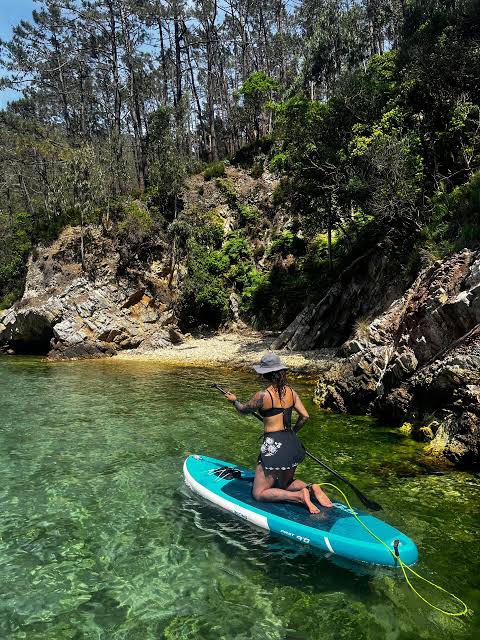
Just a step from the Bareyo villas, between the villages of Ajo and Arnuero, the Campiazo river opens into a small estuary of barely 102 hectares that goes unnoticed by most people heading straight for the local beaches. Ría de Ajo doesn't have the fame of Santoña's great marshes, but it holds the same kind of landscape — intertidal meadows, Cantabrian oak woodland and water that rises and falls with the tide — on a scale that's far easier to take in during a quiet afternoon.
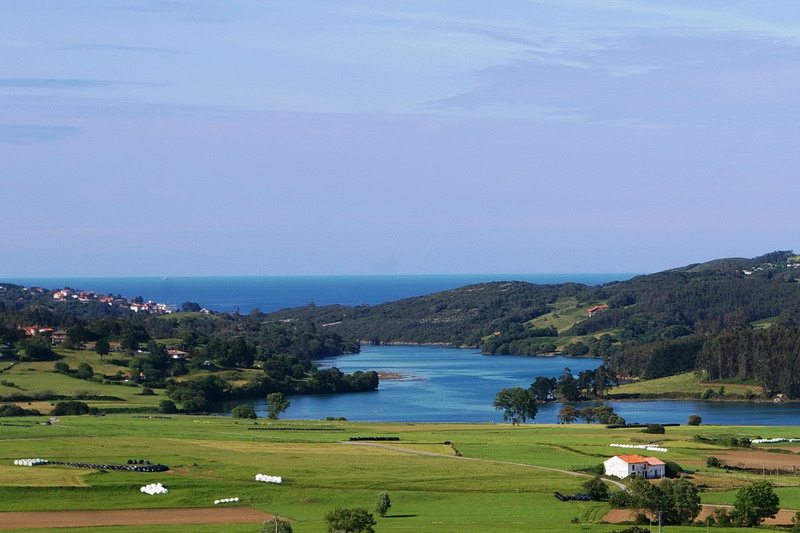
It's protected as a Special Conservation Area and Special Protection Area for Birds within the Natura 2000 network, and although it lacks the visitor centre and signposted routes of other natural sites in Cantabria, it does have a footpath running along its edge that is, probably, the most accessible walk from Bareyo for seeing marshland, Atlantic woodland and coast in a single outing.
What Ría de Ajo is and why it's protected
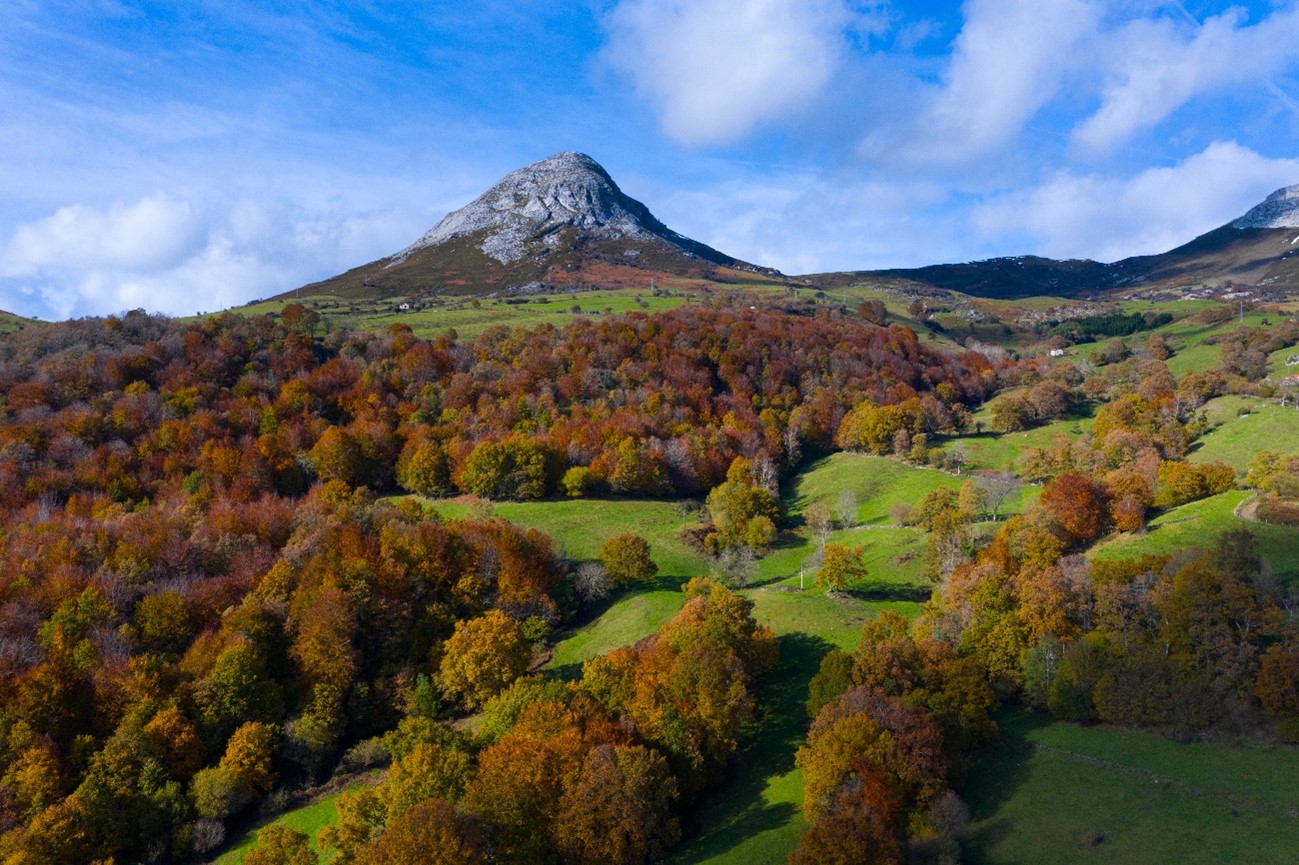
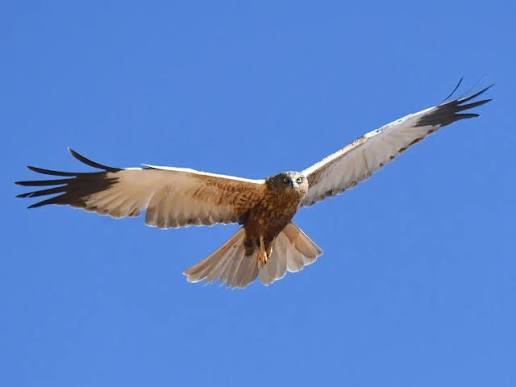
The estuary is also known as Ría de Castellanos or Ría de la Venera, and it forms the mouth of the Campiazo river on the Cantabrian Sea, between the municipalities of Bareyo and Arnuero. Its surface barely exceeds one hundred hectares, 84% of which is intertidal land, meaning much of what you see changes completely between high and low tide. European protection, detailed in the official Natura 2000 Cantabria factsheet, recognises 22 distinct priority habitats in the area, from Cantabrian oak woodland to Atlantic countryside, and it shelters species such as the fox, the badger, the marsh harrier and the common kestrel.
The Ría de Ajo trail: the walk from the village of Ajo
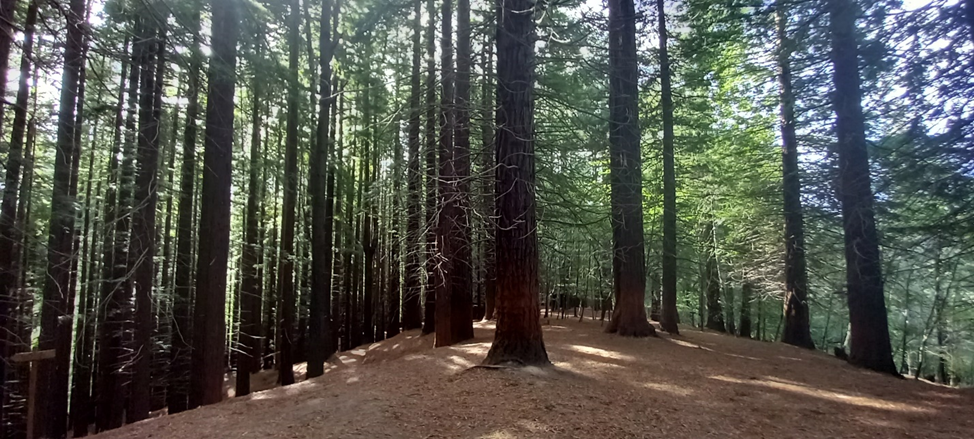
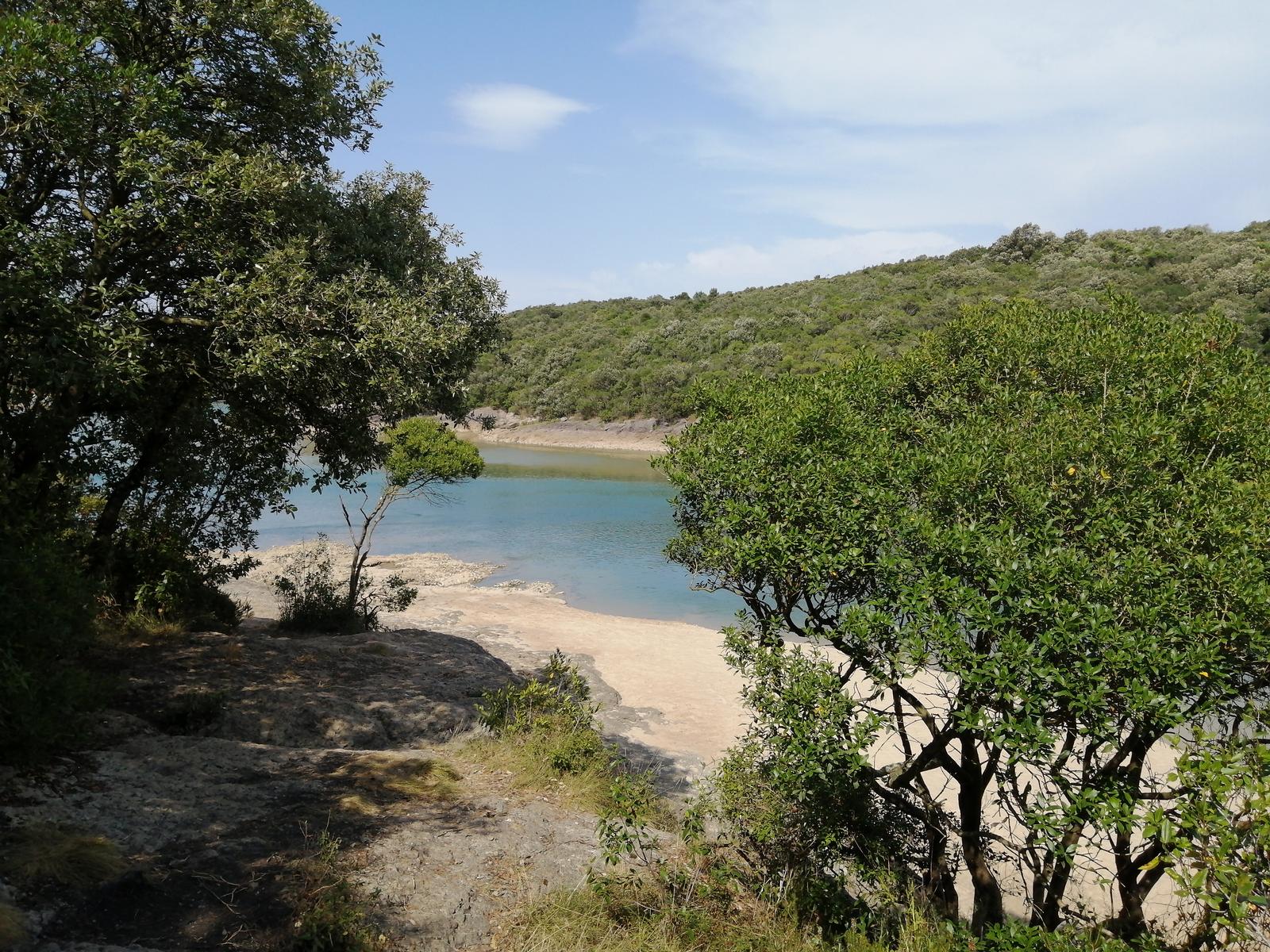
The easiest access starts right in the village of Ajo, about five minutes' walk from the centre. The footpath runs between eucalyptus groves and rocky stretches along the shoreline, with dense riverside vegetation dominated by Cantabrian oaks and open meadows, and now and then a small sandy patch to stop at. It's not a long or demanding route — it can be completed in a little over an hour without rushing — and it works just as well as a short stroll after lunch as it does as a morning outing with binoculars.
Wildlife: what you can see in the wetland depending on the season
September and October are a good time to visit: bird migration begins, and it's easier to spot waders and other waterbirds feeding on the mudflats left by the ebb tide. The rest of the year, the estuary stays active: raptors such as the marsh harrier fly over the reedbeds, and in the scrub and meadow areas it's not unusual to come across foxes or badgers at dusk. It's worth bringing binoculars and moving calmly — most birds settle far from the shore and startle easily. In the winter months, with fewer leaves on the trees, spotting them is even easier from the higher stretches of the path.
Nearby viewpoints: from Alto de Ajo to the church of Santa María de Bareyo
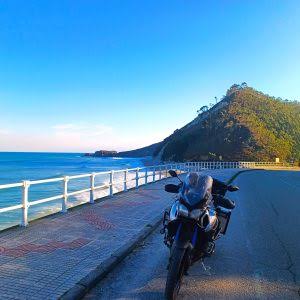
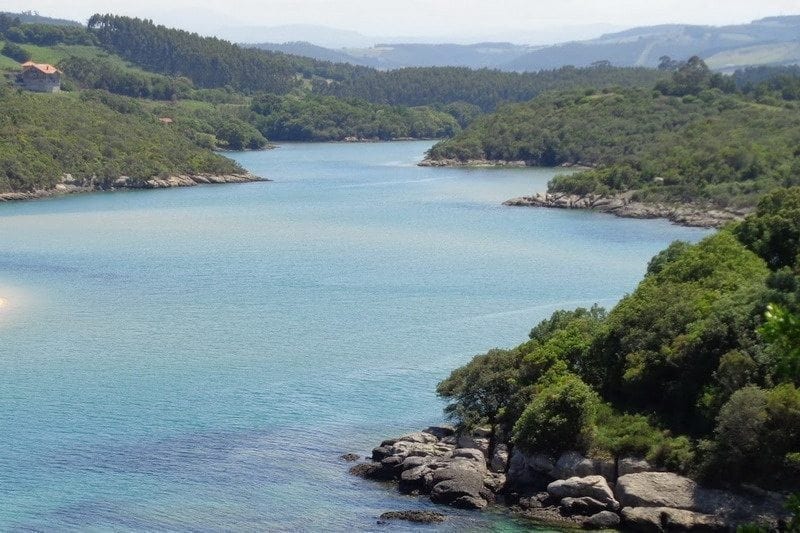
To see the estuary from above, the Alto de Ajo viewpoint, between Argoños and Pontejos, offers a wide panorama of the whole coastline. Even closer, from the church of Santa María de Bareyo there's a view that brings together in a single glance Ría de Ajo, the lighthouse, the church of San Martín and the convent of San Ildefonso — a fitting summary of the landscape surrounding the Bareyo Residences villas. If, after the estuary, you fancy rounding off the afternoon with open-sea views, Faro de Ajo is a short distance away and well worth its own visit.
What you need to know
Ría de Ajo lies between the municipalities of Bareyo and Arnuero, a few minutes' drive from the villas. The most convenient way in on foot starts from the village of Ajo. It's a protected area (SCA and SPA within Natura 2000), so leaving the paths or disturbing the wildlife isn't allowed. There's no visitor centre at the estuary itself — the nearest one in the region is in Santoña — so it's worth reading up beforehand. September and October are the best months for migratory birds; bringing binoculars makes all the difference.
A hundred hectares where the tide calls the shots: oak woodland, meadow and marsh five minutes' walk from the village of Ajo.
Ría de Ajo is, in a way, Bareyo Residences' back garden: a protected area you can explore in an afternoon, and one that sums up nicely what makes this corner of Cantabria special, between sea and marsh. When Villa Camino and Villa Monte open their doors in September 2027, this walk will be right on the doorstep, literally, for anyone looking for quiet nature without getting in the car.