The Astronomical Observatory of Cantabria, on the Páramo de la Lora (Valderredible), opens from April to October, Friday to Sunday, with guided visits and telescope use in groups of around 15 people. Admission is free, but it requires booking in advance by phone or email — without it, you can't get into the dome.
At over 1,000 metres above sea level, in the far south of Cantabria, there's a spot where the sky looks nothing like it does on the coast: no orange glow from streetlights, no sea mist blurring the stars. It's the Páramo de la Lora, in the municipality of Valderredible, and for more than two decades it's been home to the region's only publicly owned astronomical observatory.
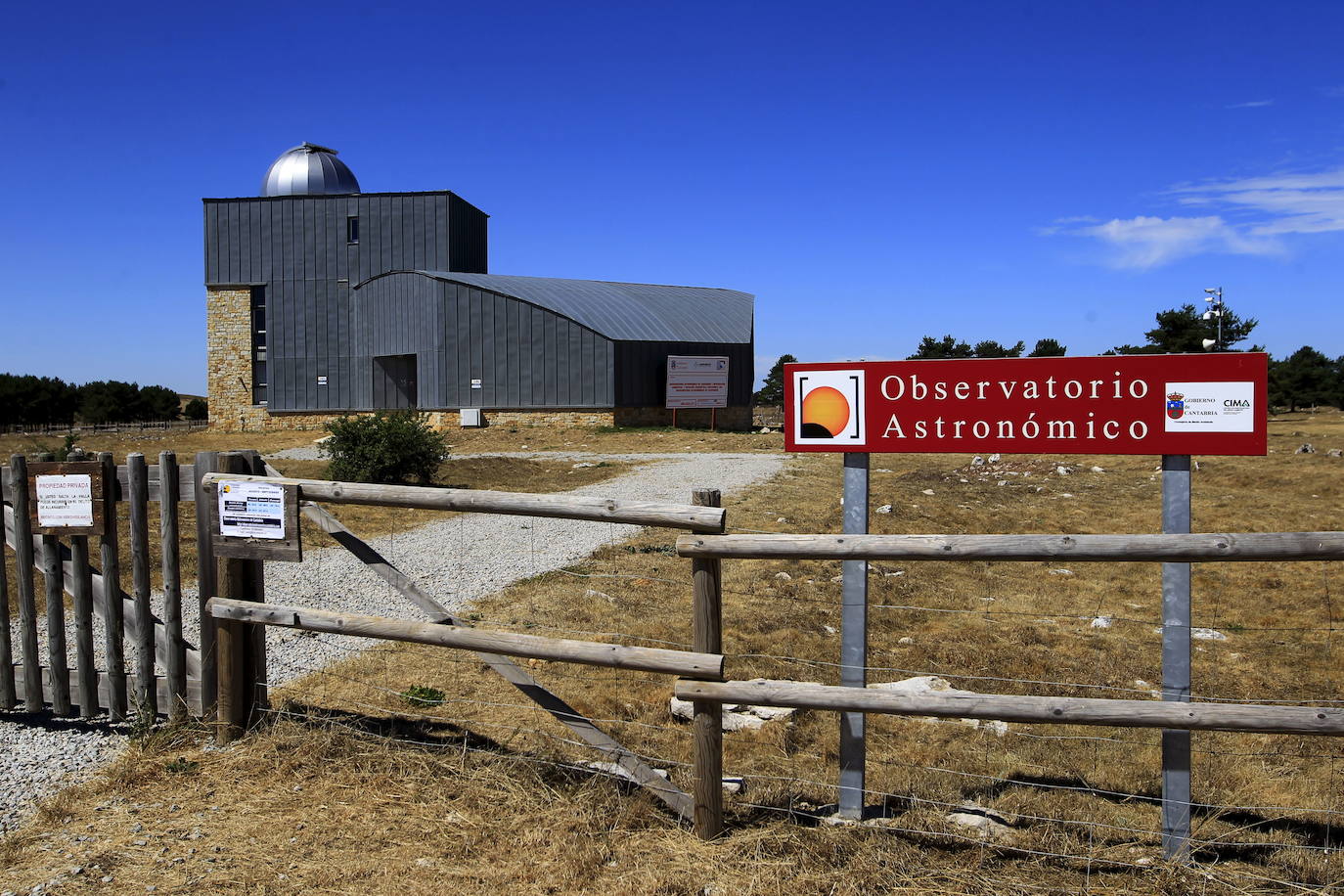
The Astronomical Observatory of Cantabria (OAC) isn't a museum or a theme park attraction: it's a scientific facility run by the Government of Cantabria that, alongside its research work, opens its doors to the public to view the sky through a professional telescope with a specialist guide on hand. You don't need to know anything about astronomy to enjoy it — in fact, most people who make the trip up there have never looked through a telescope before. It's one of the few public observatories in Spain open for regular visits, which explains why spots sell out weeks in advance during the summer months.
Where the Astronomical Observatory of Valderredible is and how to get there
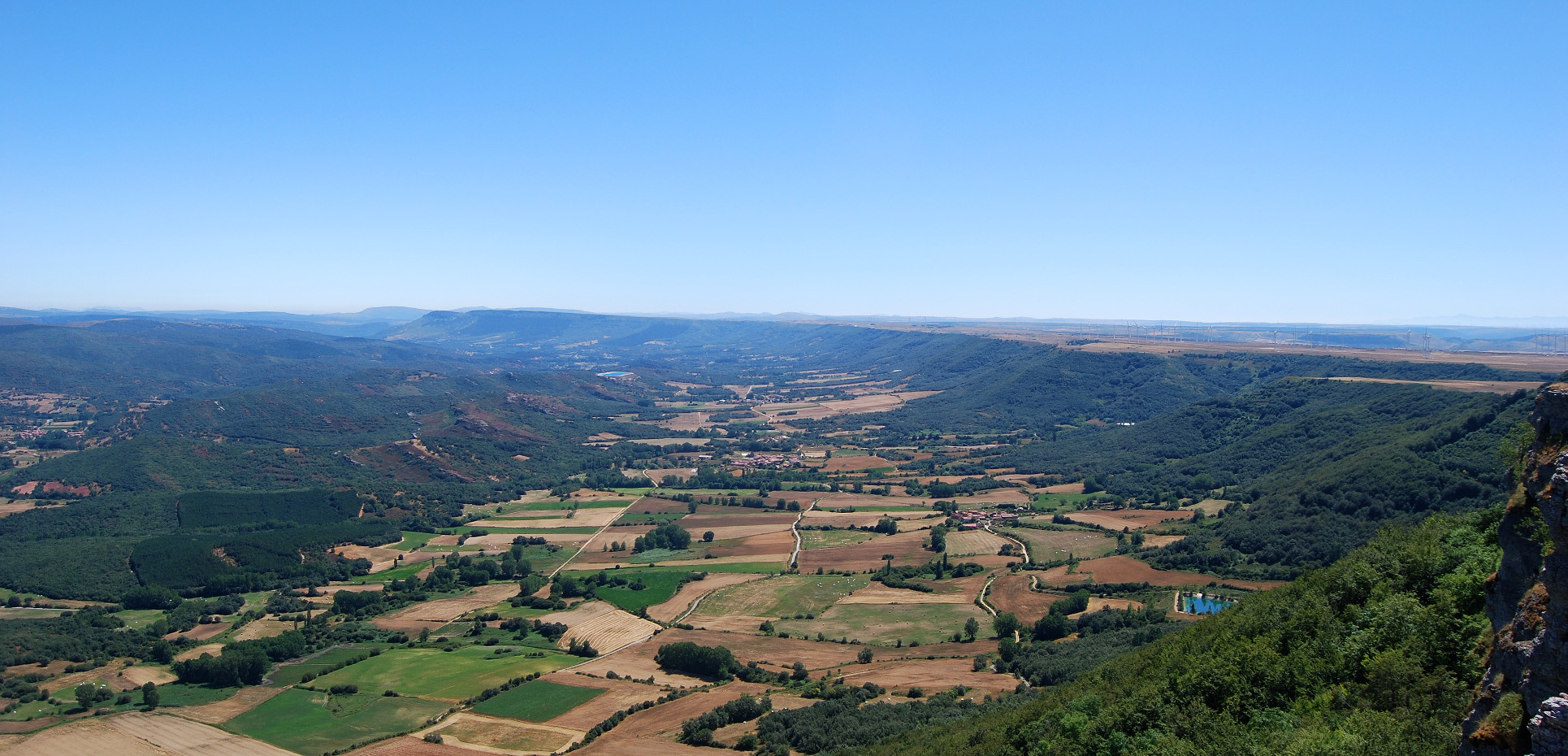
The observatory sits on the Páramo de la Lora, near the village of Rocamundo, in the municipality of Valderredible, at 1,080 metres above sea level. The landmark to aim for is Polientes: just past it there's a turn-off to the right towards Rocamundo, and from there a climb of about 6 kilometres that ends right at the observatory's door. From Santander it takes about 1 hour 20 minutes by car, and from Reinosa around 40 minutes — so adding the usual stretch between Bareyo and Santander, the trip works out to just under two hours from the villa. It's worth combining it with another stop around Campoo or Valderredible, since it's not somewhere you pass through on the way to anywhere else.
What you'll see during the visit: the dome, the telescope and the Lora sky
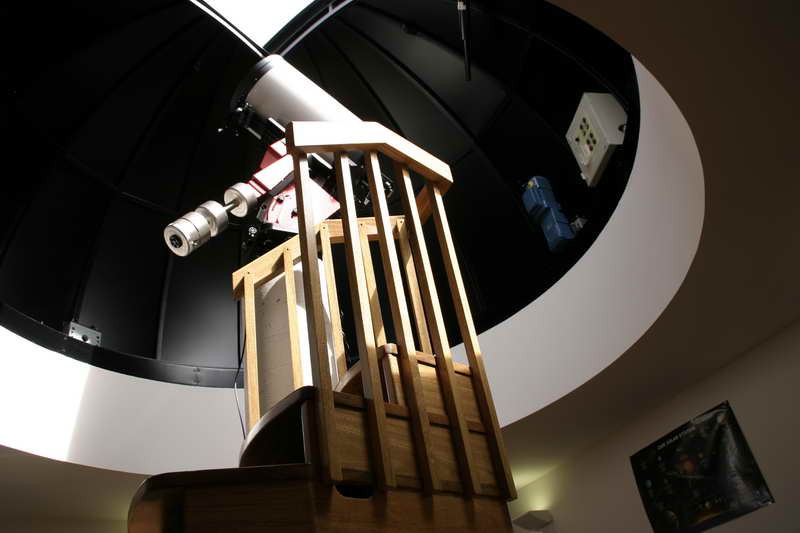
The visit starts with an introductory talk on basic astronomy — what can be seen that night depending on the time of year, where the Moon is, whether any planets are visible — before heading up to the dome. There, the main telescope lets you observe lunar craters, Saturn's rings or nebulae, depending on the date and that night's sky conditions. Sessions run in groups of around 15 people and last about half an hour each, so it's worth not rushing: part of the appeal is simply waiting outside as your eyes adjust to the dark, picking out the Milky Way with the naked eye. On the clearest, moonless nights, the guide will often point out a constellation or planet by eye before you've even gone into the dome.
How to book your visit
Access to the dome and telescope requires booking in advance — you can't just turn up and hope for a spot. Bookings are made through the observatory's website or by email, and there's a phone line open Wednesday to Sunday, 18:00 to 20:00, for questions and reservations. Before driving up to the Lora, it's also worth calling the weather information line: at over 1,000 metres above sea level, fog or low cloud can leave you with no sky to observe, and sessions are cancelled if the weather doesn't cooperate.
What you need to know
Price: the visit is free, but places per session are limited. Season: from April to late October, Friday to Sunday (times and slots vary by month). Bookings: 676 96 50 03 (Wednesday to Sunday, 18:00-20:00) or info@observatorioastronomicocantabria.com; to check sky conditions before setting off, 639 57 08 48. Website: observatorioastronomicocantabria.com. How to get there: see location on Google Maps. What to bring: even in summer, at night and at 1,080 metres it gets pretty cold — bring warm clothes, and a red-light torch if you have one, so as not to dazzle the rest of the group. For more official information on the site, see the Turismo de Cantabria listing.
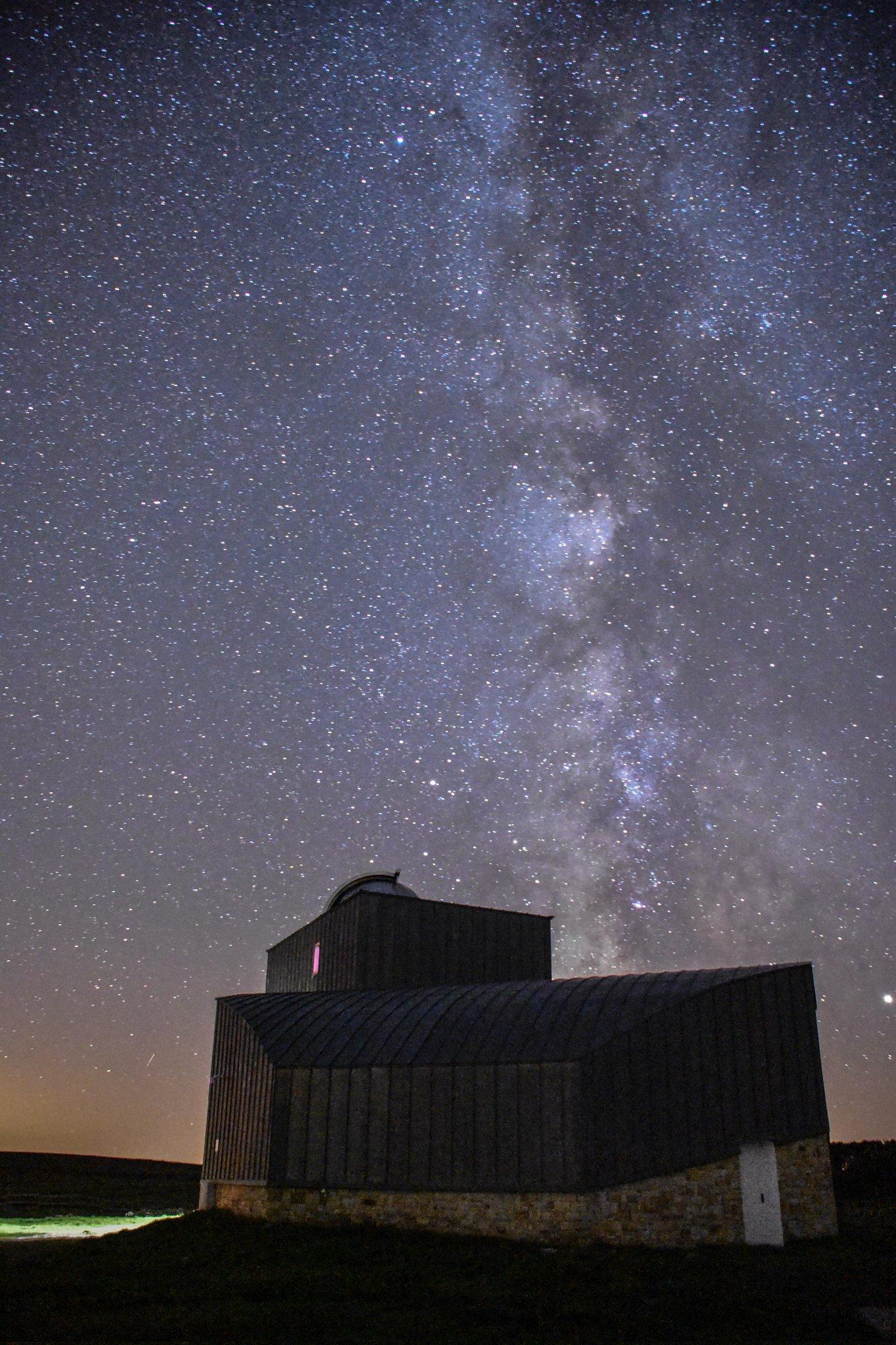
Up there, with no city lights getting in the way, the Milky Way stops being a National Geographic photo and becomes something you can actually see with your own eyes.
A night at the Astronomical Observatory of Valderredible doesn't fit into a beach afternoon, but it does fit into a full day trip through inland Cantabria, combined with Campoo or the villages of the area. If this has left you with a taste for stargazing, our guide to the best spots to see the stars in Cantabria has more ideas for rounding off the night. It's the kind of plan worth saving for when September 2027 arrives and we open the first bookings for Villa Camino and Villa Monte — Bareyo has its own clear nights, but the sky over the Lora is, quite simply, in a different league.