The must-see museums in Cantabria are the Centro Botín, the Cantabrian Maritime Museum, the MUPAC and the MAS in Santander, the Cave Art Centre in Puente Viesgo, and the Ethnographic Museum in Muriedas. All six are less than 45 minutes from Bareyo and combine well over two or three day trips.
Cantabria tends to be sold on its beaches and cliffs, but it also has a museum scene that has nothing to envy in much larger regions: top-tier contemporary art, one of the finest collections of portable prehistoric art in the world, maritime history, rural culture, and even an introduction dedicated to the cave art of Altamira and El Castillo just minutes from Santander. It's a plan that works all year round, but takes on special value in September, when the weather starts to become less reliable for spending the whole day at the beach and it's worth having indoor alternatives, without giving up a good excuse to head into the capital.
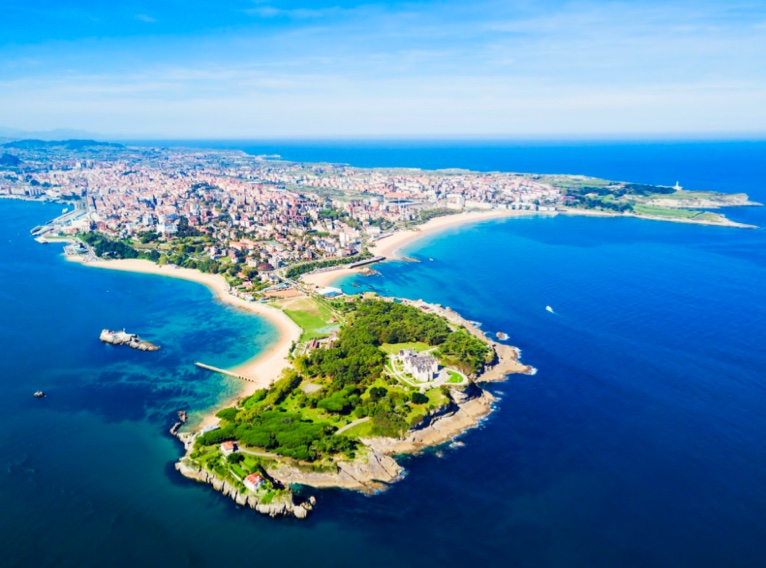
This selection brings together six museums that meet one condition: each offers something you won't find anywhere else in the region, whether through its collection, its architecture, or what it tells you about Cantabria's history. Interesting but more limited or relocating projects have been left out, such as the Santander Railway Museum, temporarily closed while it prepares its new home in the future station. They're ordered with someone arriving from Bareyo and wanting to make the most of the day in mind: first the ones in Santander itself, then the ones that call for a slightly longer trip inland.
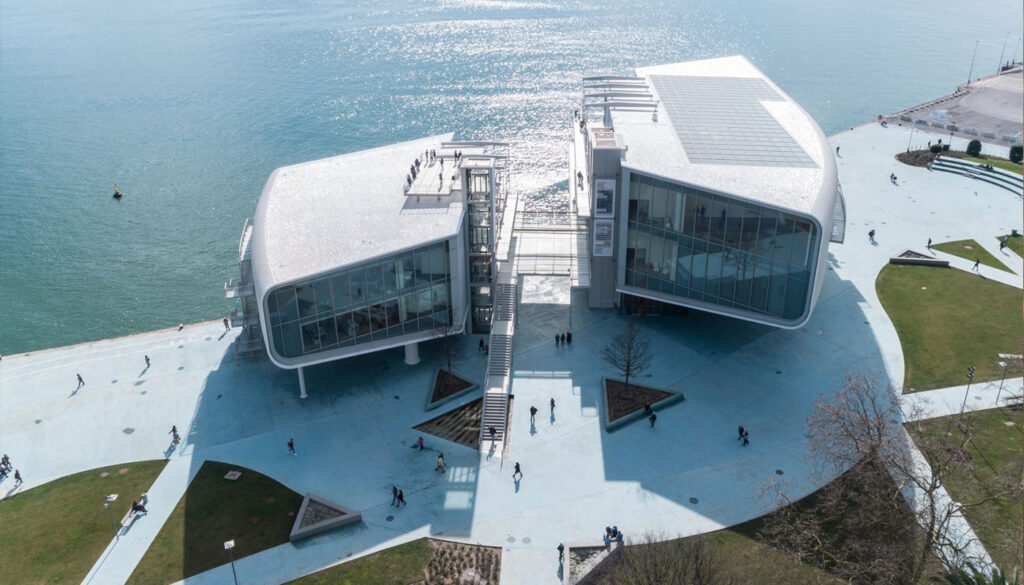
Centro Botín (Santander): Renzo Piano's building over the bay
It tops the list because it is, by some distance, Cantabria's museum with the greatest international profile: two aluminium and glass volumes designed by Renzo Piano, raised on stilts next to the Jardines de Pereda, with Santander bay behind them (you can check up-to-date opening hours on its official website). Inside there's a permanent collection that plays off temporary modern and contemporary art exhibitions, plus workshops designed with children in mind too. It's open Tuesday to Sunday, with extended hours until 9pm between June and September, and general admission is around €9 booked online, with free entry for under-16s. It can be visited unhurriedly in two or three hours, and its café with a terrace over the bay is a stop worth making in its own right, rain or shine.
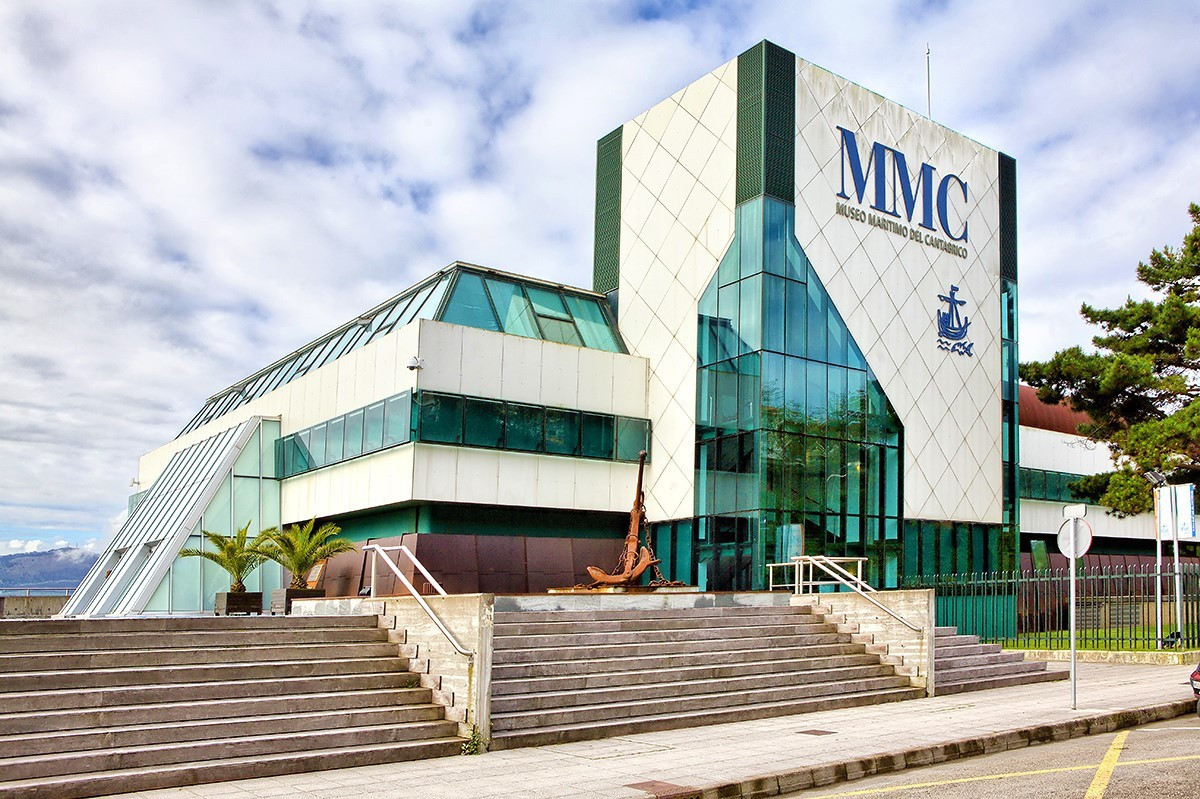
Museo Marítimo del Cantábrico (Santander): fishing, shipwrecks and its own aquarium
It takes second place because it's the most complete museum for understanding Cantabria's relationship with the sea: ship models, salvaged pieces from wrecks off the coast, whale and dolphin skeletons, and an aquarium with Cantabrian Sea species, from conger eels to small sharks. It sits on the bay, next to the Palacio de Festivales, and opens Tuesday to Sunday, with extended hours until 7:30pm between May and September; general admission costs €10, with a reduced rate of €7 for children aged 4 to 12, over-65s and people with disabilities. It's one of the few museums on this list explicitly designed for a visit with children, with interactive panels and an aquarium area that hooks even those with no interest in boats. If you're going with children, we have a dedicated guide to visiting the Maritime Museum with tips to stop them getting bored halfway round.
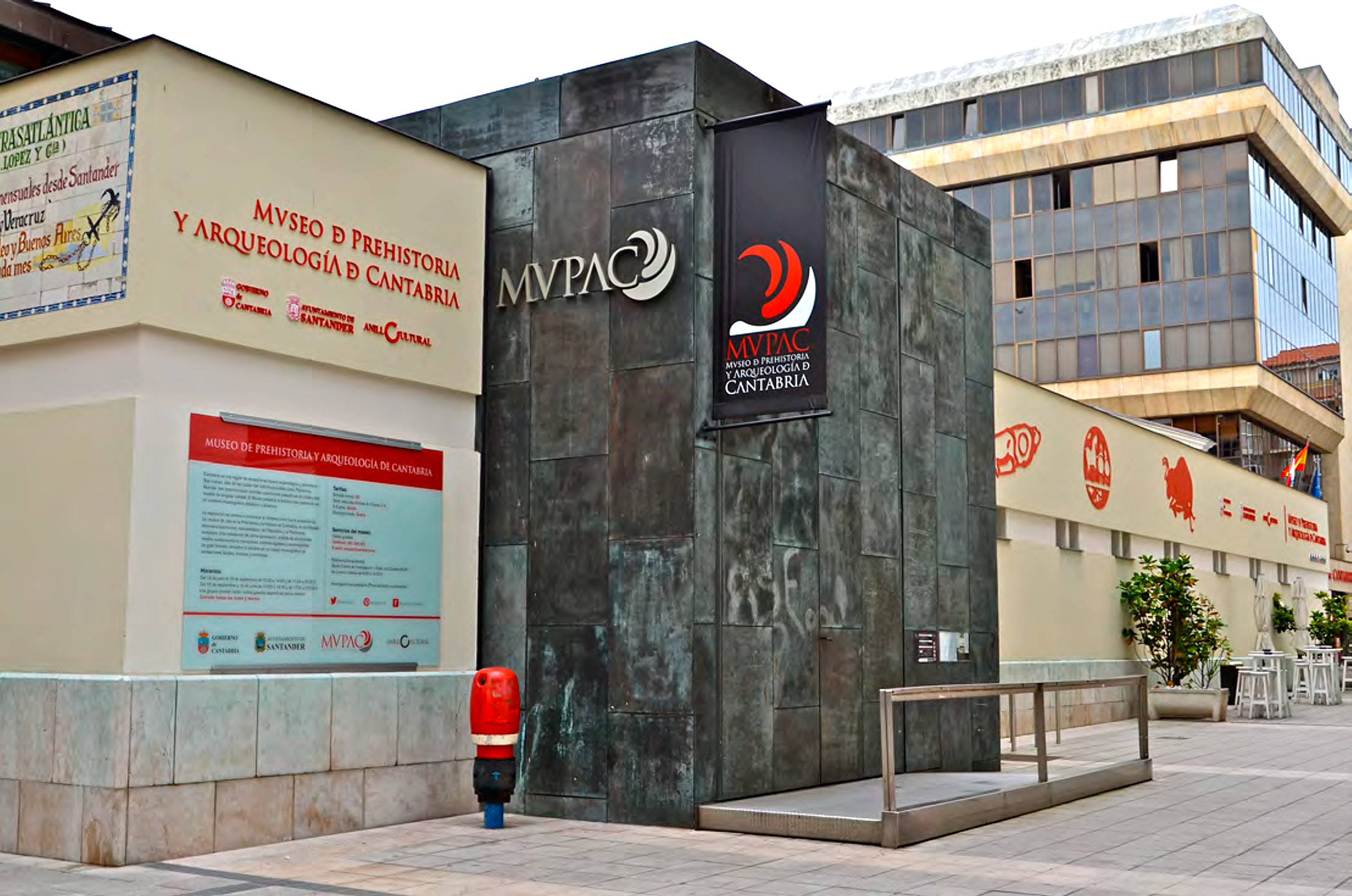
MUPAC – Museum of Prehistory and Archaeology of Cantabria (Santander)
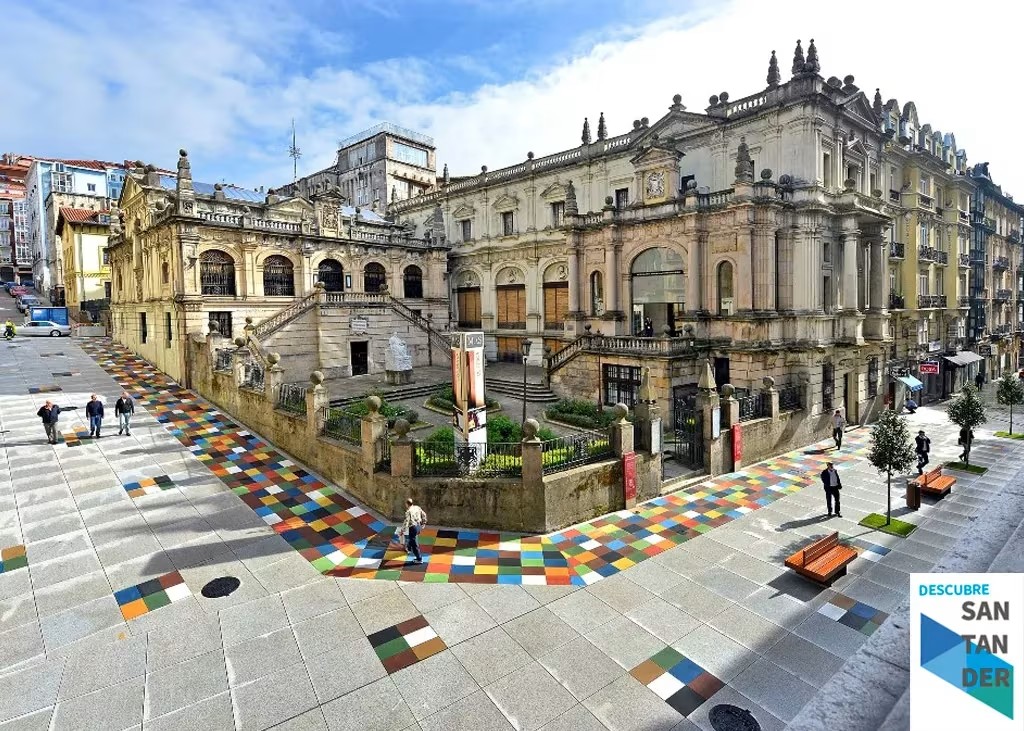
The MUPAC occupies the old Mercado del Este, right in the centre of Santander, and holds one of the richest collections of Palaeolithic portable art in the world: pieces engraved and carved more than 14,000 years ago, from the Cantabrian caves declared a World Heritage Site. It opens Tuesday to Sunday, 10am to 2pm and 5pm to 8pm between May and September, with somewhat shorter afternoon hours the rest of the year, and general admission costs €6, with free entry every Sunday afternoon for everyone. It runs guided tours at set times — 10:30am, midday, 5:15pm and 5:45pm — which are worth booking ahead by calling the museum directly, especially for groups. It ranks third because, unlike Botín or the Maritime Museum, it's a denser museum, meant for anyone who really wants to understand the context of the caves they're about to visit, such as Altamira or El Castillo, before seeing them in person.
Cave Art Centre of Cantabria (Puente Viesgo): the introduction to the caves
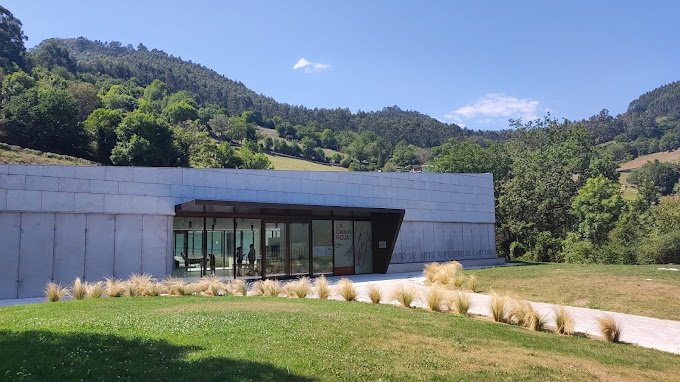
About 45 minutes from Bareyo, in Puente Viesgo, this centre is the perfect complement to a visit to the area's prehistoric caves, starting with the Cueva de El Castillo, just a few minutes' walk away. Its permanent exhibition covers Cantabria's Palaeolithic art with original pieces and full-scale reproductions, designed as a stop before heading down to the caves themselves. It can be visited unguided or with a guide, though groups should book ahead directly with the centre by calling 942 598 425. It holds this spot because, although it requires travelling a bit further from the coast, it's the piece that best connects with the rest of the region's prehistoric heritage, and it combines easily with the Cueva de El Castillo itself in the same morning.
MAS – Museum of Modern and Contemporary Art of Santander and Cantabria: free admission
Formerly called the Museo de Bellas Artes, the MAS brings together a collection ranging from classic Spanish portraiture — including works by Goya among its holdings — to contemporary Cantabrian art, in a building right in the centre of Santander, on Calle Rubio. Admission is free all year round, which makes it the easiest stop to fit in alongside other plans: it opens Tuesday to Saturday, with afternoon hours starting at 5:30pm in winter (16 September to 14 June) and 6pm in summer, and Sundays and public holidays in the morning only, from 11am to 1:30pm. It drops to fifth place because its collection, while notable, can be seen in under an hour, which makes it ideal as a complement to another, longer visit the same day rather than a plan for the whole day on its own.
Ethnographic Museum of Cantabria (Muriedas): rural life before tourism
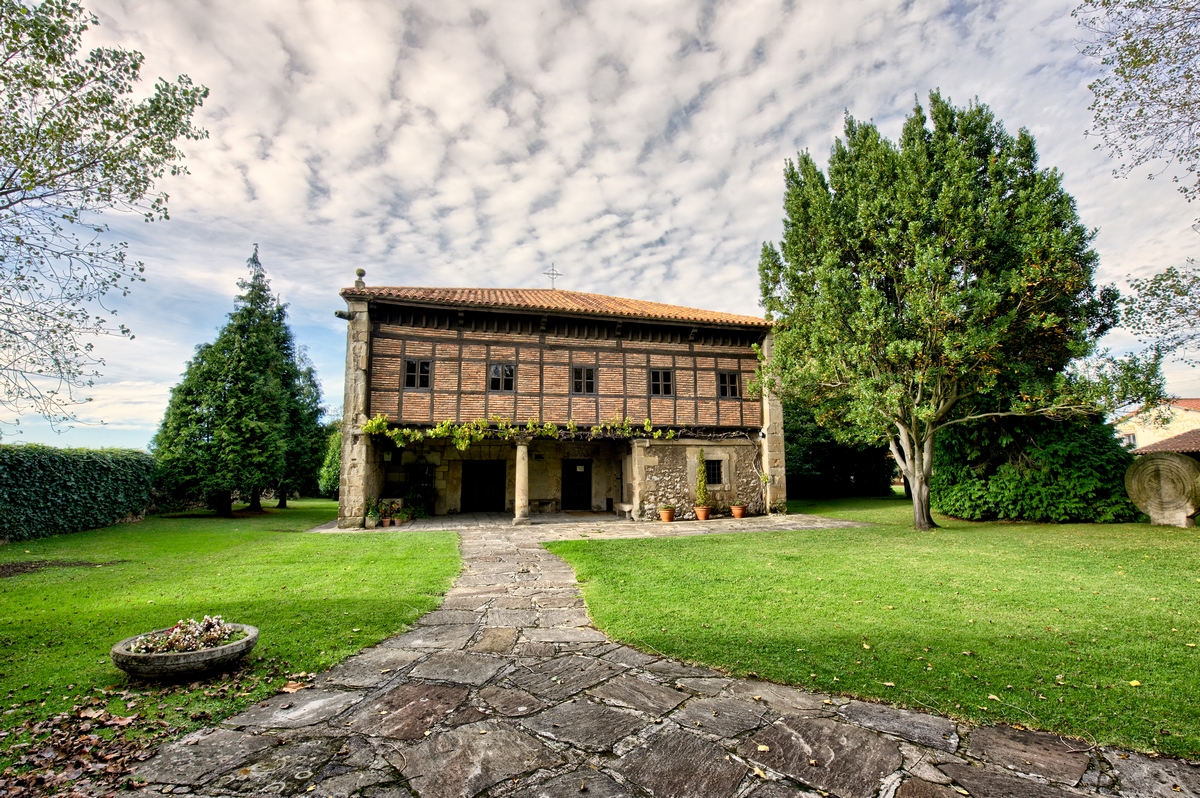
In Muriedas, seven kilometres from Santander, this museum explains what life in Cantabria was like before the region became a tourist destination: farming tools, traditional costumes, an original ox cart and rooms devoted to trades that have almost disappeared. It's been open to unguided visits with no booking needed for a couple of years now, with admission always free, Tuesday to Sunday, in morning and afternoon hours (June to September, 10am to 2pm and 4pm to 7pm). It closes the list because it's the most modest of the six in size, but also the one that best explains the starting point for everything else: the rural Cantabria on which the touristic Cantabria featured throughout the rest of this guide was later built.
What you need to know
Almost all of these museums close on Mondays, so it's worth checking the calendar before planning your route, especially if the trip only covers a short weekend. The MUPAC and the Maritime Museum change their hours between the summer season (May–September) and the rest of the year, with shorter afternoons outside peak season, while the MAS and the Ethnographic Museum are free all year round and don't require booking. For large groups, both the MUPAC and the Cave Art Centre in Puente Viesgo ask that you call ahead. The three museums run by the Government of Cantabria — MUPAC, MAS and the Ethnographic Museum — share up-to-date information on the Museums of Cantabria portal, where it's worth checking opening hours before leaving Bareyo, since they change several times a year. If the plan is to combine two museums in the same day, the best pairing is Centro Botín and the Maritime Museum, less than ten minutes' walk from each other along Santander's seafront promenade; for something calmer, the MAS and the MUPAC are just as close to each other, right in the historic centre.
"Cantabria isn't just something you see from a viewpoint: part of its history has to be sought inside a museum, with the lights dimmed and a display case in between."
None of these six museums is right around the corner from Bareyo, but they all fit the kind of getaway we consider part of the plan at Bareyo Residences: head out in the morning, park in Santander or Puente Viesgo, and get back in time for dinner on the villa terrace. If September 2027 is starting to sound far off, it's worth checking availability early: it's one of the months when the villas' calendar fills up soonest.