The best cocido montañés in Cantabria is served in restaurants with a family tradition, such as El Puente in Carmona, La Solana in Bárcena Mayor and Restaurante Saja in Cabezón de la Sal, all faithful to the recipe with white beans, cabbage and compango. It can be ordered all year round, although autumn and winter remain its natural season.
Cocido montañés is, along with anchovies and sobaos, one of Cantabria's gastronomic symbols: a hearty spoon dish made from white beans, berza (a type of cabbage) and compango — the mix of chorizo, blood sausage and pork belly that gives it its distinctive flavour and that was traditionally simmered for hours in the kitchens of the region's mountain farmhouses. This isn't just the opinion of whoever cooks it at home: in a recent contest about the dish that best represents Cantabrian cuisine, cocido montañés clearly beat out salted anchovies and hake in green sauce.
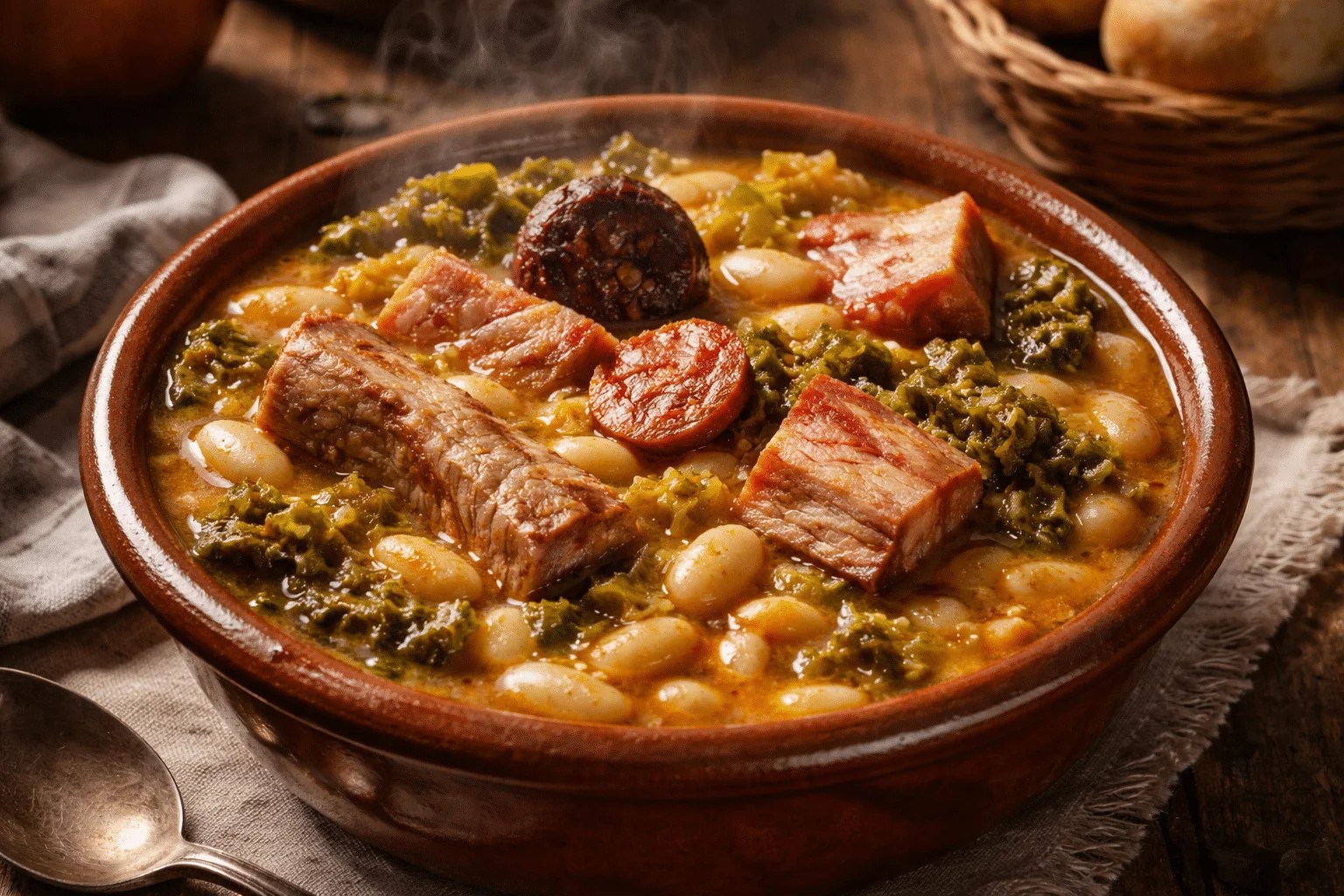
Every year, the Ruta de los Pucheros de Cantabria awards the region's best cocido montañés among dozens of participating restaurants, and that contest is a good map for finding out where it's still cooked with care and no shortcuts. It was traditionally a Sunday dish for the cold months, but tourist demand has led more and more restaurants to keep it on the menu all year round, though it's worth asking beforehand whether it's served on weekdays or only at weekends.
Of the many places to try it in Cantabria, these three stand out for different reasons: for its award, for its family tradition, and for being a simple, accessible option inland, just over an hour from the Bareyo coast.
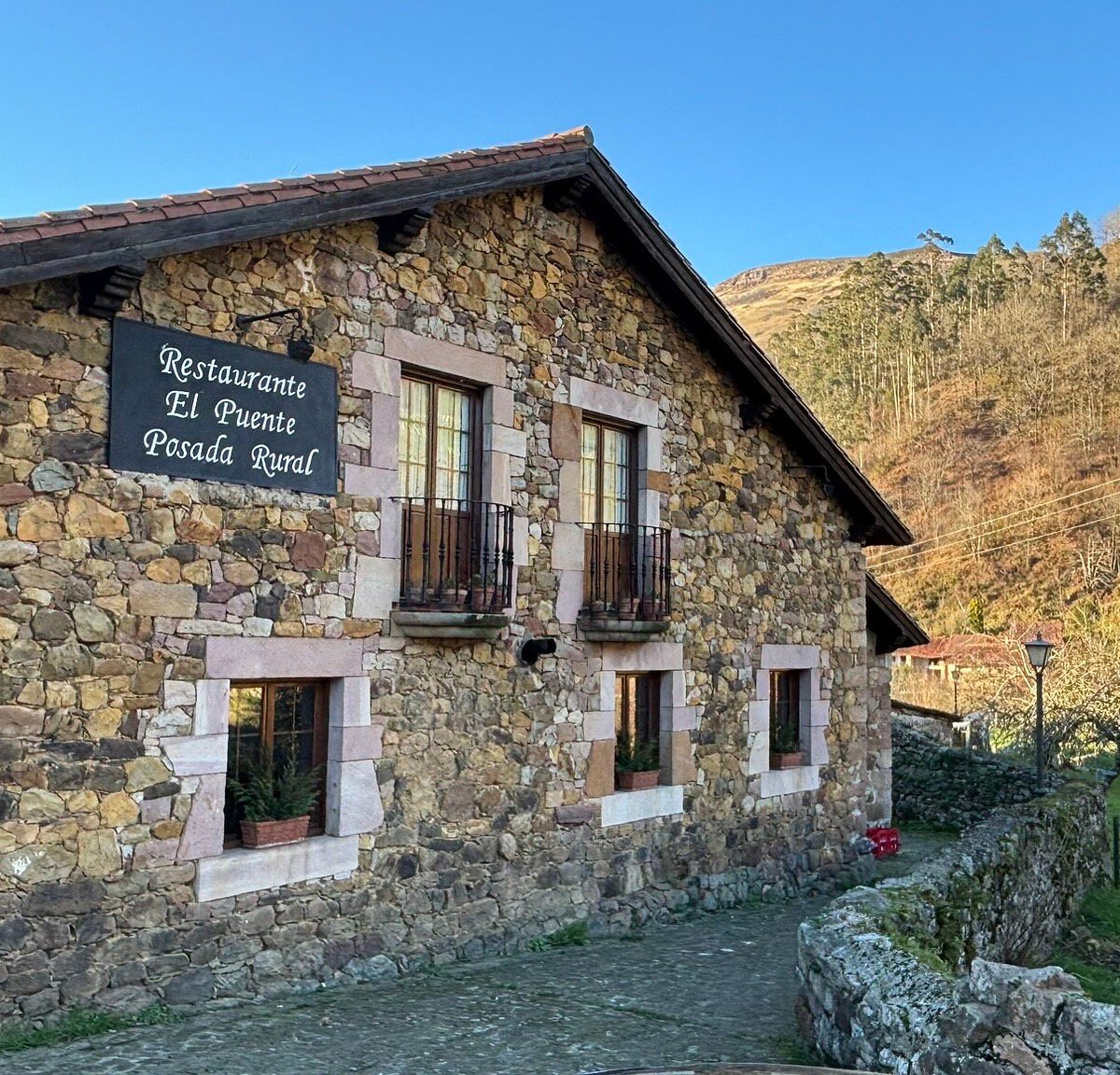
Restaurante El Puente, in Carmona
At the entrance to Carmona, in the Cabuérniga valley, this family-run restaurant has spent years building a reputation for having one of the best cocido montañés dishes in Cantabria, with traveller reviews that put it right at the top of the region. Much of its secret lies in the origin of its ingredients: its own vegetable garden, livestock and vineyard, with traditional cooking that has barely strayed from the same old recipes. Being a small, family-run business, it's worth booking ahead on busy weekends so as not to miss out on a table.
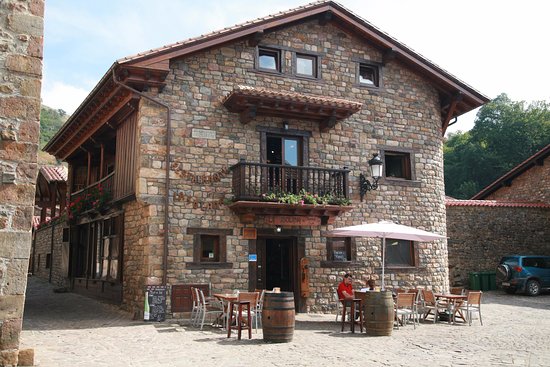
La Solana, in Bárcena Mayor
Bárcena Mayor is, in itself, one of the most charming villages inland in Cantabria, declared a historic-artistic site with restricted traffic in its old quarter, so you have to leave the car in the car park at the entrance and walk in. Its restaurant, La Solana, has won the award for best cocido montañés in several editions of the Ruta de los Pucheros, including the tenth edition, on top of recognitions in earlier years. Alongside the cocido, game meat — venison, wild boar — and roast lamb are other regulars on a menu built around dishes that need time and slow cooking.
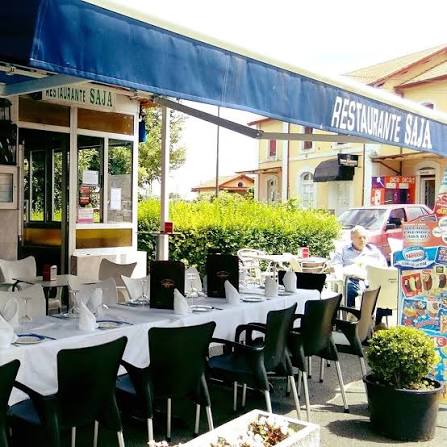
Restaurante Saja, in Cabezón de la Sal
Closer to the coast, in Cabezón de la Sal, Restaurante Saja has cocido montañés as the star dish on its menu, with a weekend set menu that usually includes it as a starter alongside squid with onions as a main, at reasonable prices. It's a more informal option than the previous two, with the advantage of being less than an hour from Bareyo via the Cantabrian motorway, making it an easy stop on the way back from a day trip inland.
What you need to know about cocido montañés in Cantabria
Cocido montañés is served all year round, but in the colder months portions tend to be more generous and there's a wider choice of places that keep it fixed on the menu; in summer it's worth asking whether it's being cooked that day. Portions are hearty, so if you're planning to share, it's a good idea to mention it when ordering. Booking ahead is a good idea at weekends, especially in Bárcena Mayor and Carmona, where inland tourism fills tables fast. To finish, the local custom in Cantabria is to round things off with something sweet from the region, like a quesada or a sobao, and locals often follow it with a shot of homemade orujo. If this has whetted your appetite for more regional dishes, don't miss our guide to Cantabrian cuisine, with the rest of the essentials from the Cantabrian table.
In Cantabria, you don't order cocido montañés to try something new — you order it to come back to something familiar.
Coming back from an afternoon of hearty stew, full and already craving the beach the next day, is one of the contrasts that best define a stay in Bareyo: sea in the morning, inland trips and good food in the afternoon. If you fancy repeating the plan next year, you can already check availability at our villas for September 2027.