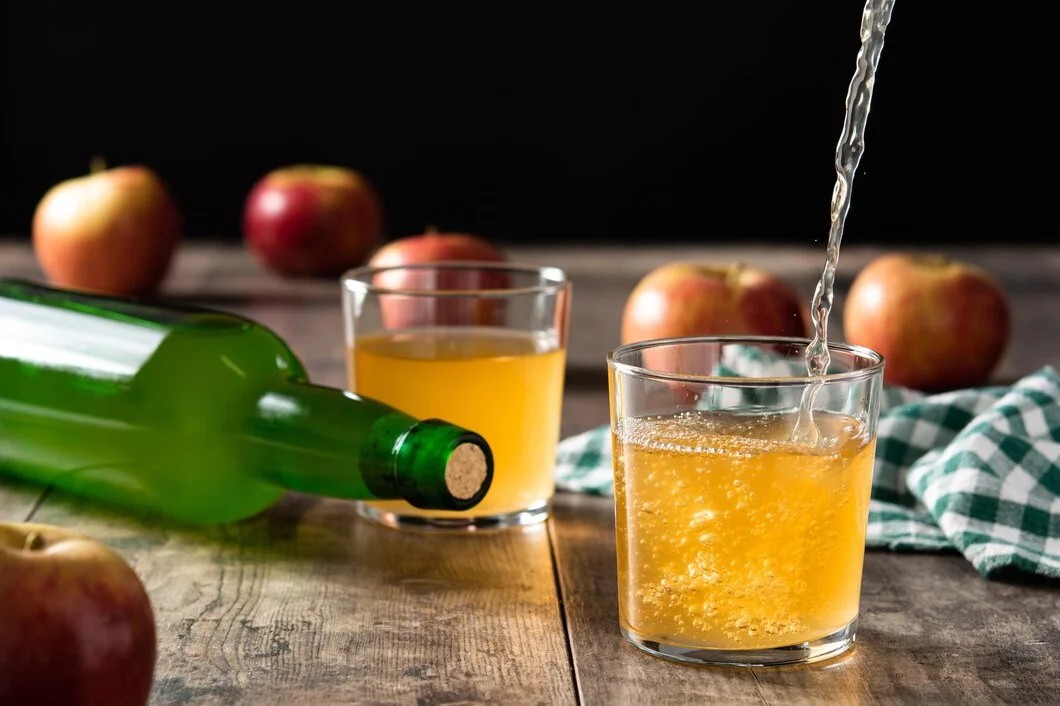
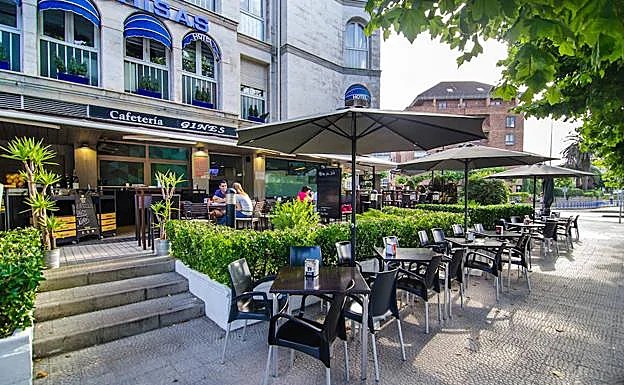
Cantabria's food isn't a single cuisine — it changes as you move from the coast up into the mountains. In Trasmiera you eat seafood straight off the boat; in the Pasiego valleys, butter and milk-based sweets; in Liébana, chickpea stew and cheese cured in caves. This guide maps the whole picture, with links to each corner if you want to dig deeper.
There's no single "Cantabrian cuisine." There are several, and each one answers to the geography of the area it comes from: shellfish and fish dominate on the coast, dairy farming defines the nearest inland valleys, and in the mountains to the south, almost in León already, the food turns to stews built for a long winter. Understanding that geography is the best way to know what to order depending on where you are, rather than trusting a restaurant ranking that says nothing about the place.
This guide goes through those areas one by one, covering what really sets them apart. If you're after a specific recommendation — a restaurant, a bakery, a seafood market — each section links to the specific guide where we've already worked it out in detail. What you won't find here is a ranking of the region's best restaurants: the Michelin Guide already does that better than we could, and our edge isn't having eaten everywhere, it's living here and knowing why each area eats what it eats.
The Trasmiera coast, where you are
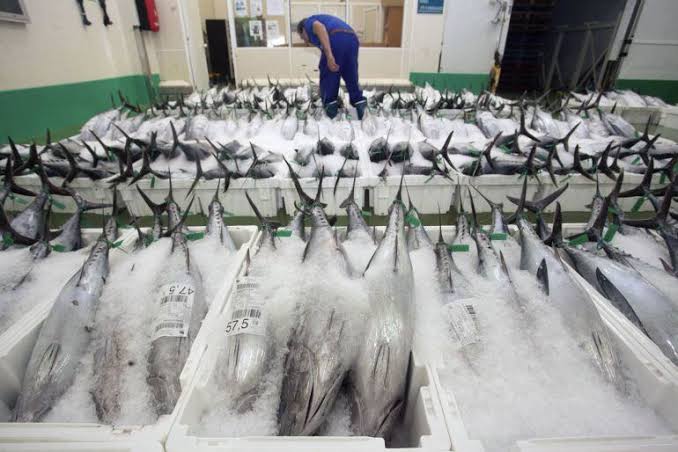
Bareyo sits right on the Trasmiera coast, the stretch running from Santander to Laredo, and here the food revolves almost entirely around what comes out of the sea that same day. Shellfish barely travels: it arrives live from the market to the restaurants of Ajo, Isla and Santoña, often within hours, and albacore tuna is line-caught off the coast between July and October, in a short, sharply defined season. There are no big fine-dining names on this particular stretch, but there's a level of produce that would cost triple in other parts of Spain.
The villages along this coast still live off fishing, not gastro-tourism, and it shows in how they cook: little garnish, lots of produce, and portions built for sharing as a family rather than for a photo. It's common to find the same restaurant full of locals on a weekday as on a Saturday in August — the best sign that a place is working for reasons beyond the tourist season. Santoña, specifically, has lived off canning for over a century: the salted anchovy exported around the world today is still packed by hand in several of the town's factories, using the same slow process used for generations.
We already have the full map of where to eat in this area, restaurant by restaurant: where to eat in Ajo and Bareyo, beach bars near Bareyo for a day at the beach, and if the plan is pairing food with wine, the wineries near Bareyo that open for visits. And if albacore tuna is specifically what you're after, here's the dedicated guide.
Shellfish and fish: how to order them right
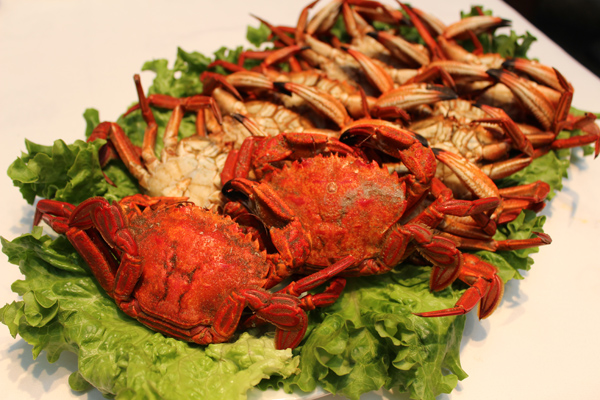
The Cantabrian Sea gives different shellfish depending on the season, and knowing that saves more than one disappointment. Spider crab and velvet crab are at their best between October and March; goose barnacles, all year round, though the price climbs when the swell is strong because harvesting them gets more dangerous. In summer, shellfish is still good, but it costs more and is caught further out — it's the local product's low season, though no menu will tell you that.
One thing that catches out anyone not from here: shellfish is almost always ordered by weight, not as a fixed dish, so the final price depends on how much the piece brought to your table weighs before it's cooked. Ask the price per kilo before deciding if you're unsure, especially with spider crab or lobster, where the difference in price from one piece to another can be considerable. Goose barnacles are almost always sold by a pre-weighed portion, so the surprise there is less likely.
As for fish, the key is to ask what came in that day rather than order by name: sea bass, gilthead bream, monkfish or hake change in availability depending on the port and the weather at sea in the days before. A fish that came in that same morning shows in the texture even before you taste it: the flesh is firm, not soft, and the eye is bright if they show it to you whole before cooking. Don't be afraid to ask where the fish you're being served comes from: at places that work with their own catch, the waiter usually knows without hesitating, and it's a good way to tell a place with real produce from one that buys from a generic distributor. For specific recommendations on where to order it well: where to eat the best shellfish in Cantabria and where to eat the best fish, 15 essential restaurants.
The Pasiego valleys, the birthplace of the sweets
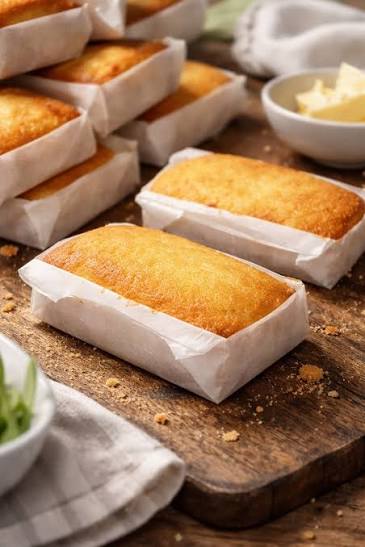
South of Bareyo, heading inland, the Pasiego Valleys begin: Selaya, Vega de Pas, Villacarriedo. It's an area of mountain dairy farming, with cows grazing on very green pastures thanks to constant rain, and that combination produces milk and butter of a quality you notice as soon as you try any sweet from the area. Selaya is, in fact, the true birthplace of the sobao: the butter sponge cake now sold pre-packed in any supermarket in Spain was born here, baked in paper moulds so as not to lose a drop of butter. Villacarriedo and Vega de Pas share that same dairy tradition, with family bakeries that have spent generations making the same thing without changing the recipe. The Pasiega cow, a native breed adapted to the steep pastures of the valleys, produces less milk than industrial breeds but of higher fat quality, which partly explains why the butter here tastes different. Here the sobao is bought fresh out of the oven, still warm, not wrapped in plastic like the ones found at any petrol station in Spain. The difference in texture between the two is huge: freshly baked, the crumb is moist and a little sticky inside, with a slightly crisp top — something the packaged version loses within a few days.
Quesada pasiega, a close cousin of the sobao, has an even stronger claim: several food historians consider it the first genuinely Spanish cheesecake, with recipes documented as far back as the 14th century, long before the San Sebastián version that's now taking the world by storm. The difference from that one lies in the texture: quesada is denser and less creamy, with a flavour closer to fresh cheese than cream cheese, and it's served cold, cut into square portions, almost never in a triangular slice like its Basque cousin.
If you want to go straight to the bakeries that make it best, rather than buying it at any random bakery: Cantabria's best sobaos, bakery by bakery.
Liébana and the Picos, inland cooking
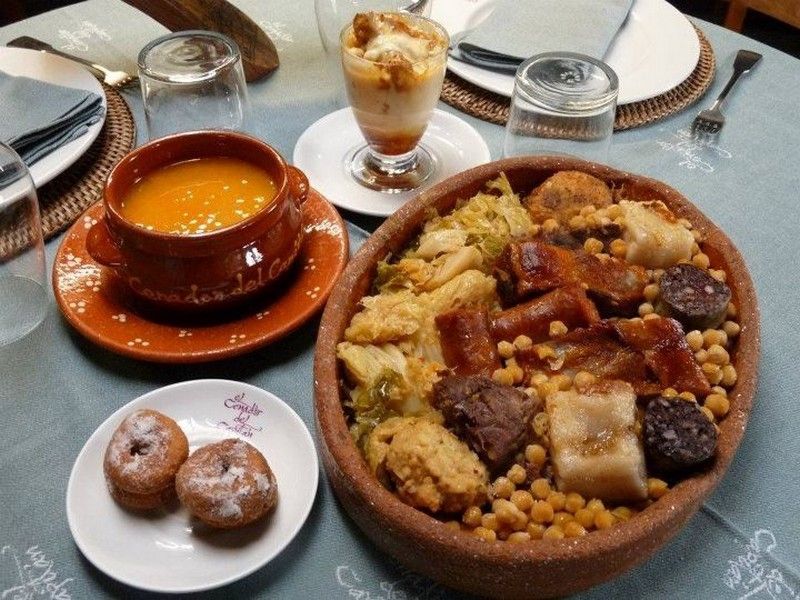
In the far southwest of Cantabria, wedged between the Picos de Europa, Liébana has a cuisine unlike the rest of the region: the microclimate, almost Mediterranean because it's sheltered from the Atlantic rain, changes what's grown and raised. Here the stew isn't the montañés version eaten across the rest of Cantabria: it's cocido lebaniego, with chickpeas instead of white beans, lamb, and a local sausage that locals simply call "el relleno." It's also served with Liébana beans, smaller and thinner-skinned than the coast's white beans, grown on the terraced smallholdings around Potes.
The cheese changes character too. Picón Bejes-Tresviso, with Protected Designation of Origin status, is cured in natural caves in the Picos for months, developing a strong, sharp flavour with blue veins — one of the most prized blue cheeses in northern Spain, and very different from the mild, fresh cheese of the Pasiego valleys. It's usually served on its own, with a little quince paste, or crumbled over beans — never as a light starter, because its intensity demands the spotlight on the table. To finish the meal, orujo lebaniego, distilled at several wineries in the area for generations, is the traditional way to end any winter meal around here.
Potes, the region's capital, has a stone old town crossed by the Deva river, with medieval bridges and terraces where you can sit down to eat without rushing. It's a small town, made for strolling before or after eating, not just for passing through on the way somewhere else. Liébana beans, smoked quesucos from Áliva and the orujo itself can all be bought directly from shops in the old town to take home, with no need to hunt down a gourmet shop charging extra for the same product.
It's the area of Cantabria we've covered the least in this guide so far: a lot of people stay on the coast and never make it up here. But if you're doing the trip to Fuente Dé or the Picos cable car, it's worth setting aside time to eat well in Potes before heading back.
Santander: market and tapas
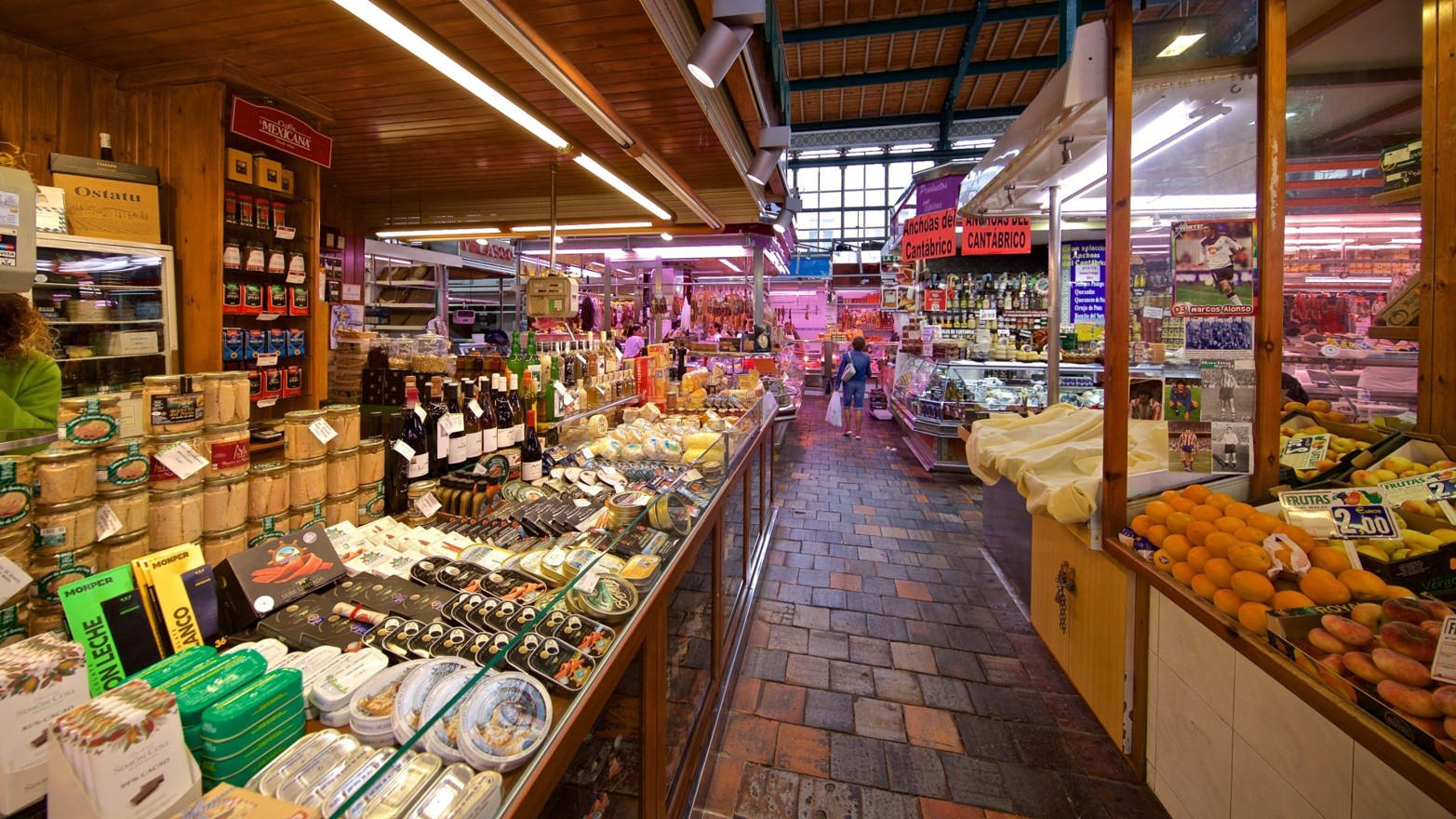
Santander has its own food logic, more urban than the rest of the region. The Mercado de la Esperanza, right in the centre, is the place to see the day's produce before deciding where to eat — fish, shellfish, vegetables from nearby smallholdings, all under one roof since 1904, with stalls that have belonged to the same family for generations and know their regulars by name. Around Plaza de Cañadío you'll find the city's best tapas scene, with rabas — strips of squid, battered and fried — as its undisputed flag: served hot, with a squeeze of lemon and little else, in almost any bar on the square. Besugo (sea bream) is another Santander classic, especially at Christmas, traditionally oven-roasted with sliced potatoes; it used to be kept in besugueras, oval steel dishes still seen in some family kitchens around the city, which give their name to a very specific way of cooking it, common all along the coast.
Santander also has its own reputation for desserts: the cheesecake from a couple of restaurants in the city has crossed borders as far as Madrid, earning a spot among the best in Spain according to several national rankings. If you're after the full tapas route or where to try the most talked-about cheesecake, we already have specific guides: Cantabria's best cheesecakes and, for an easy everyday meal, the best set-menu restaurants.
For a special occasion
Cantabria has six Michelin-starred restaurants, led by Cenador de Amós in Villaverde de Pontones, the only one in the whole region with three stars (and a Green Star for sustainability). On top of that there's one restaurant with two stars, four with one, and seven awarded Bib Gourmand, the recognition for complete quality menus under €35 per person, which in many cases are the most reasonable way to get a taste of this level of cooking without paying full tasting-menu prices. Two of the starred restaurants also hold a Green Star, recognising sustainability and direct work with producers — a trend that counts for more and more in how a restaurant in Cantabria is judged, not just the plate itself.
If the plan is to celebrate something, it's worth booking several weeks ahead, especially at the starred restaurants, and confirming the dress code at the more formal ones. You don't need to wait for a special date: weekdays tend to make it easier to get a table and the service is more relaxed. A tasting menu with wine pairing usually means a long meal — three hours or more — so go with time on your hands, not in a rush to get back.
Not everything has to be spent on the starred table. Bib Gourmand restaurants tend to offer a very similar level of experience, with set menus including starter, main and dessert, without the formality or the waiting list of the more famous restaurants.
Cantabria doesn't have one cuisine, it has several, and the best way to eat well is knowing which one you're in at any given moment — and letting the landscape, not the menu, decide what to order.
What you need to know
Opening hours: in Cantabria, as in the rest of Spain, people eat late by international standards: lunch from 13:30 to 15:30, and dinner from 21:00. Many restaurants close the kitchen outside those windows.
Reservations: essential in July and August, especially on weekends and at Michelin-starred restaurants, where it's worth booking weeks ahead.
Rough prices: a decent set lunch menu, between €14 and €22. An à la carte meal at a mid-range restaurant, between €30 and €50 per person. Shellfish by weight can climb sharply depending on the species and season.
Season: shellfish is best in autumn-winter; albacore tuna, from July to October; cocido, all year round but especially in the cold months.
How to order shellfish: by weight, not as a fixed dish; ask the price per kilo first if you're unsure, especially with spider crab or lobster.
Areas and specialities: the coast for shellfish and fish, the Pasiego valleys for sweets, Liébana for chickpea stew and cured cheese, Santander for tapas and the market.
Distances from Bareyo: the Trasmiera coast, right on your doorstep; Santander, about 35-40 minutes; the Pasiego valleys, around an hour; Liébana and Potes, over an hour and a half, better as a full-day trip combined with Fuente Dé.
You don't need to memorise this guide before you come. It's enough to know that if you're on the coast, order whatever came out of the sea that morning; if you head up to the Pasiego valleys, order something sweet; and if you make it to Liébana, order the chickpea cocido instead of the usual montañés version. The specific guides for each area and each dish handle the rest — that's what they're there for, and we'll keep expanding them as we explore corners we haven't covered yet, like the inland parts of Liébana itself. Cantabria is small in size but huge in larder, and that's probably the best news for anyone coming from outside: in a week's trip you can eat market shellfish, Pasiego sweets and chickpea cocido without repeating an area or a dish.
Bareyo Residences sits at the heart of the Trasmiera coast, minutes from the fish market and under an hour from the Pasiego valleys and Liébana. The villas will be available to book from September 2027.