The red deer rut in Cantabria can be seen from mid-September to early October in the Saja-Besaya, Liébana and Alto Campoo parks. Naturea Cantabria runs guided routes at dawn and dusk, booking required, so you can watch the spectacle without disturbing the animals.
Every September, as the summer heat starts to ease off, the forests of inland Cantabria change their soundtrack. The hoarse roar of the stags — the rut, known locally as la berrea — replaces the hum of packed beaches and signals that autumn is about to arrive through Saja, Liébana and the Campoo highlands.
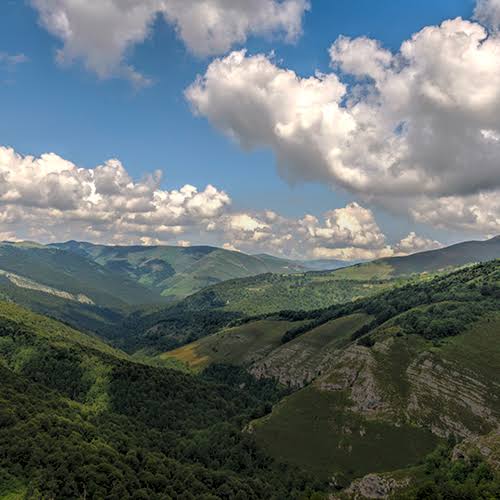
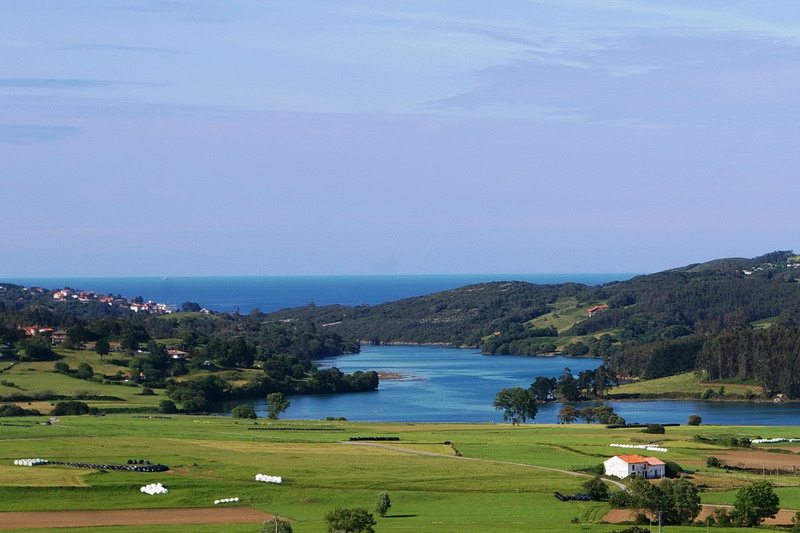
From Bareyo, where the landscape is all cliffs, estuaries and sandy shores, the rut pulls your gaze south, toward the oak and beech forests where the Iberian red deer live. You don't need to be a wildlife expert to enjoy it: with warm layers, patience and, above all, respect for the safe viewing distance, it's one of the most intense nature experiences you can have in the region at this time of year.
What the red deer rut is and why it happens in September
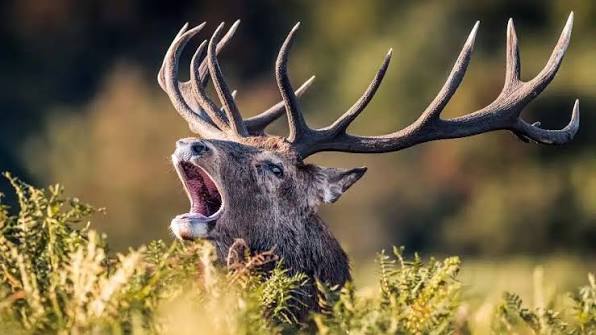
The rut is the red deer's mating season, when stags bellow — a deep sound that can carry several hundred metres — to mark their territory, intimidate rivals and attract females. In Cantabria it runs from mid-September to the first days of October, coinciding with shorter days and cooler night-time temperatures. The animals are most active at dawn and dusk, which is also when most observation routes are scheduled.
Saja-Besaya Natural Park: the closest rut viewing area to Bareyo
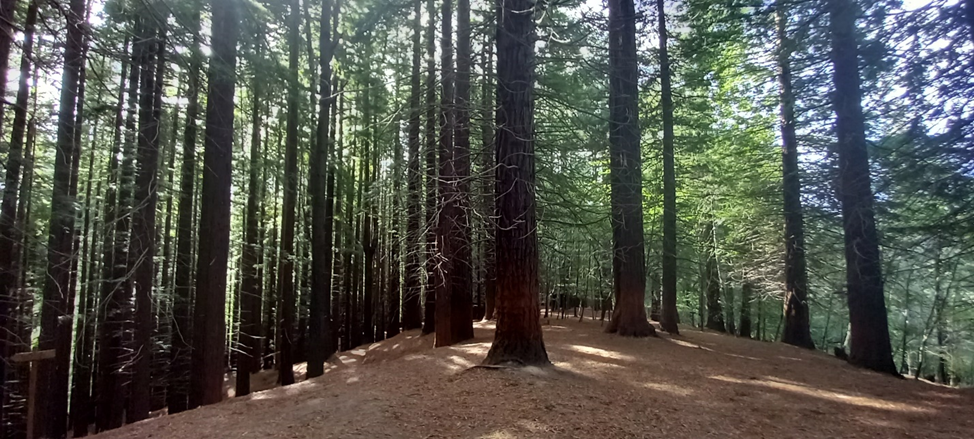
Saja-Besaya Natural Park, spanning the valleys of Cabuérniga, Los Tojos and Polaciones, is the most accessible rut-viewing area from Bareyo, just over an hour by car along the motorway and the roads that climb up from Cabezón de la Sal. Its beech and oak forests, with villages like Bárcena Mayor as a landmark, hold one of the largest deer populations in Cantabria and are the usual starting point for guided field trips in the area.
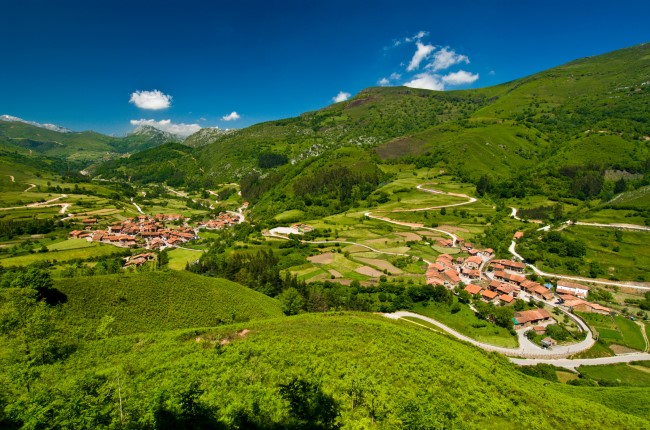
Liébana and Alto Campoo: the rut among the peaks
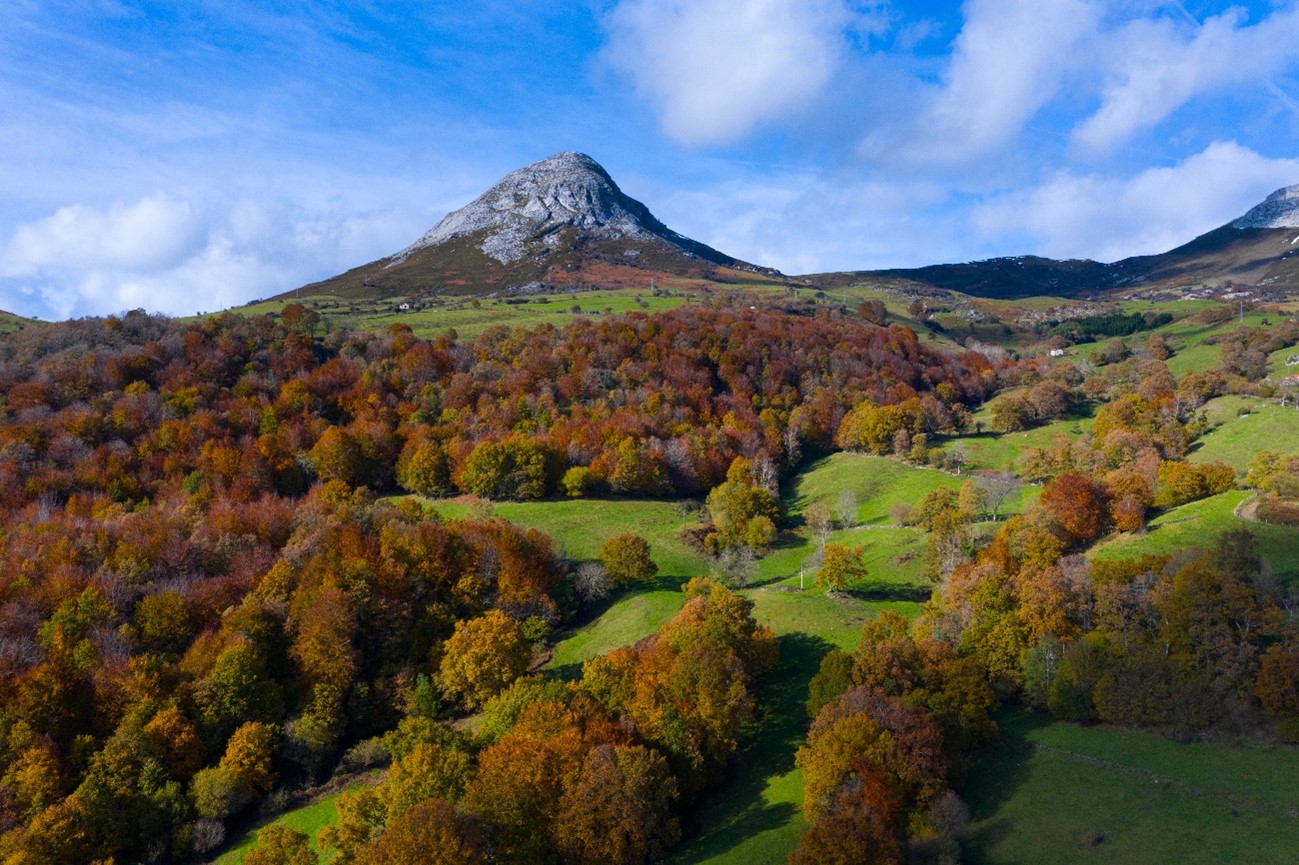
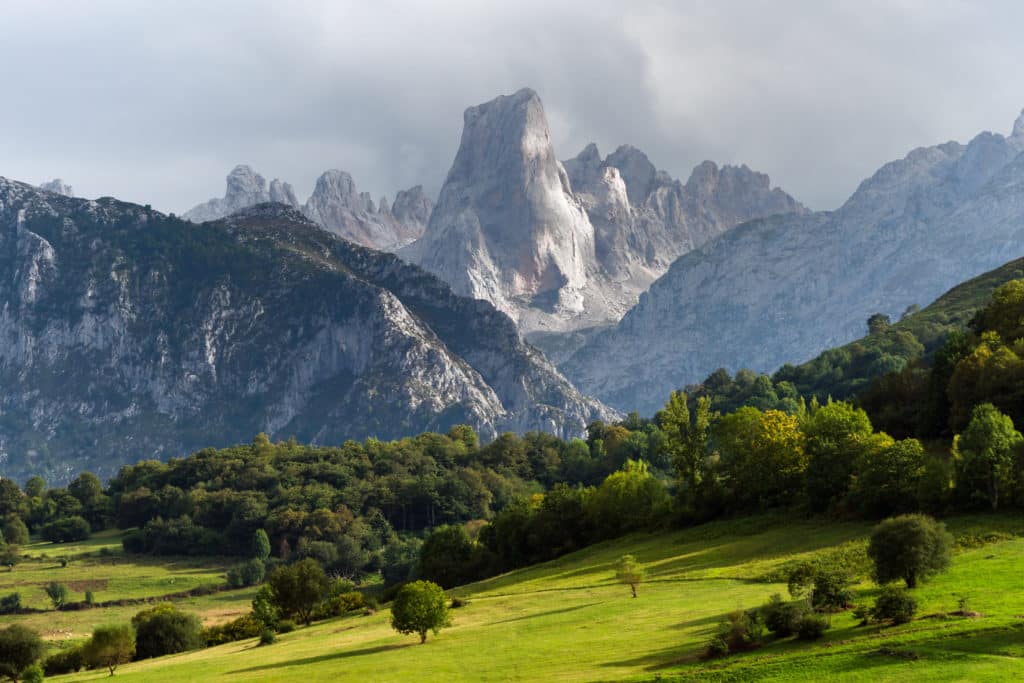
Further south, the Liébana region — with Potes as its hub — and the Alto Campoo massif, near Reinosa, offer another stage for the rut, with the Picos de Europa or the Campoo highlands as a backdrop. They're a good hour and a half and almost two hours from Bareyo respectively, so it's worth planning them as a full-day trip, using the chance to explore Potes or take the cable car up to Fuente Dé. The Liébana Natura 2000 network is another of the areas where guided outings are organised during these weeks.
Guided routes to see the red deer rut: prices and booking
The safest and most respectful way to see the rut is to join an official guided route. Naturea Cantabria, the active-tourism programme run by the Cantabrian Rural Development Network, organises rut field trips between 15 and 30 September in Saja-Besaya, Liébana and Campoo, in small groups with a specialised guide so as not to interfere with the animals' mating season. The routes run around 8-10 km with little elevation gain up to a viewing point, and they fall outside the organisation's multi-activity pass, so they're booked and paid for separately. Booking is required.
What you need to know about the rut in Cantabria
Bring warm layers: temperatures drop quite a bit at dawn even in September. Avoid bright colours and strong perfumes, walk quietly and always follow the guide's instructions on the minimum distance from the animals. Binoculars make all the difference: without them it's easy to hear the rut but hard to see much beyond shadows among the trees. Book ahead, because groups are small and spots for the central weeks of September tend to sell out fast.
The first bellow always arrives before you see it: a deep sound that cuts through the dawn mist and reminds you that, for a few weeks, the Cantabrian forest belongs to the deer.
Coming back from a morning of rut-watching with wet boots and a phone full of blurry photos — they never come out well in the fog — is a different way of understanding Cantabria, far beyond the coast. If you liked our guide on where to find mushrooms near Bareyo, this could be your next autumn outing: staying in Bareyo puts you just over an hour from the sound of the sea to the roar of the stags. Bareyo Residences, with its Camino and Monte villas just steps from the Camino de Santiago and close to the best access points to these natural parks, opens its doors in September 2027.