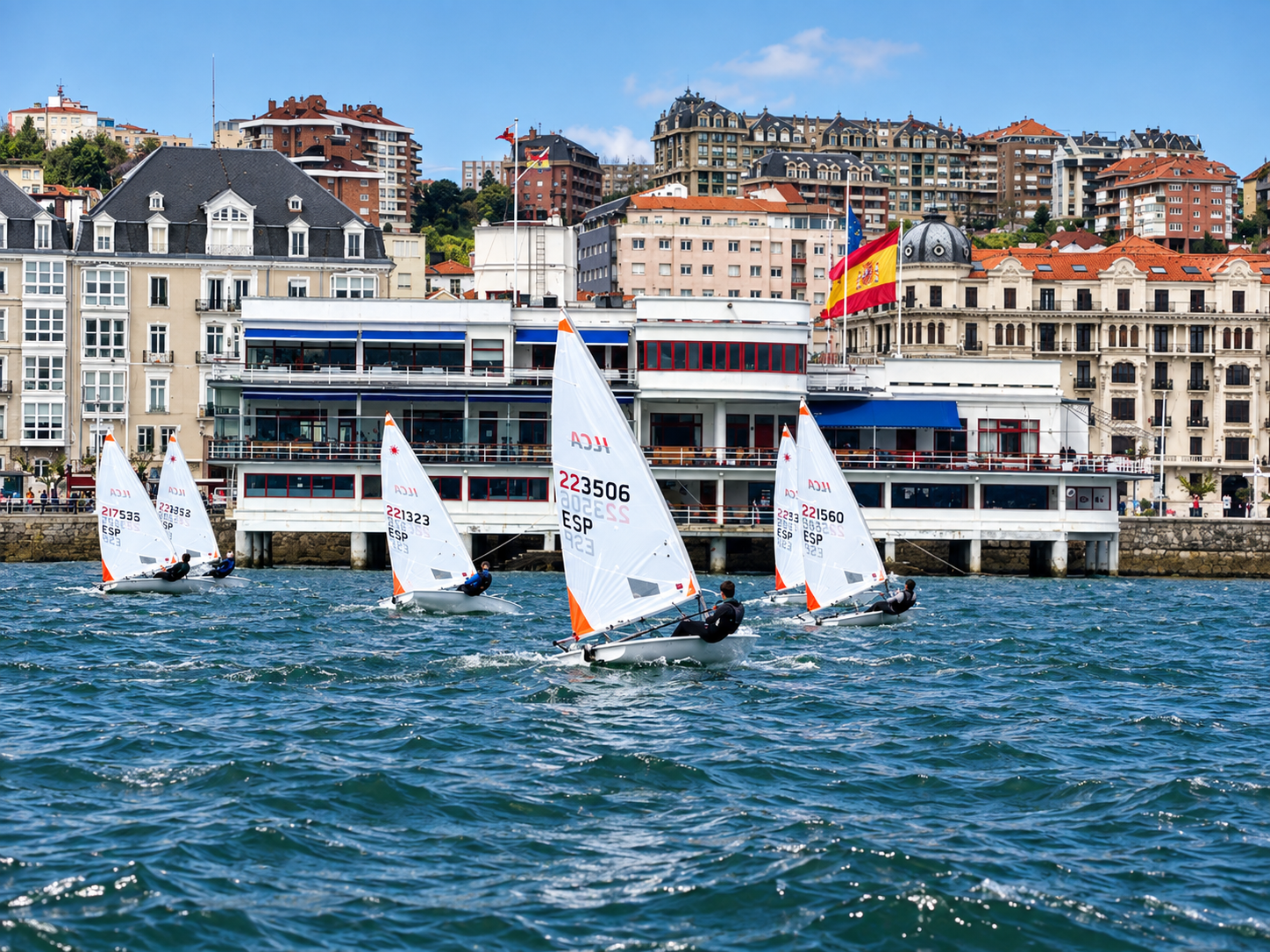
The best spot for windsurfing and kitesurfing near Bareyo is Ris and Trengandín beach, in Noja, less than 15 minutes by car. Escuela de Surf Ris runs beginner courses in both disciplines, and August is the month with the steadiest thermal wind all year.
If you've seen colorful sails crossing the bay off Ris or Trengandín on summer afternoons, it's no coincidence that this is exactly when the crowds show up. The Trasmiera coastline, the stretch where Bareyo sits, has a quirk few tourists know about: the temperature contrast between the plateau and the Cantabrian Sea creates a north-component wind that blows almost daily through the summer months, growing stronger as the afternoon goes on.
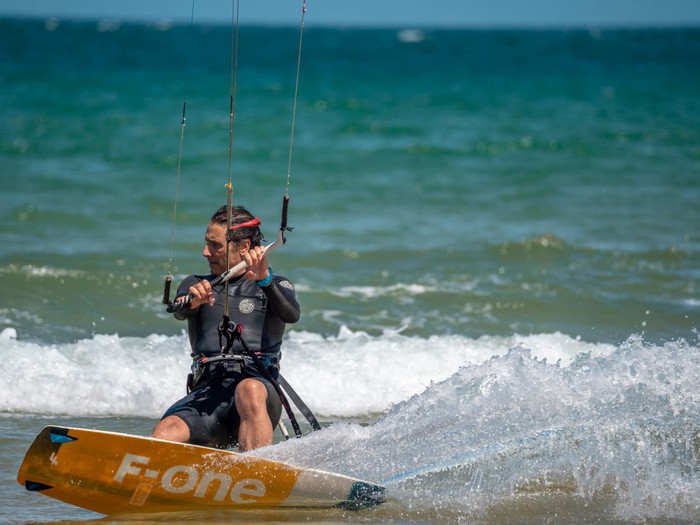
You don't need to bring any gear or prior experience. Within a 40-minute radius of Bareyo there are schools certified by the Cantabrian Surfing Federation that teach windsurfing and kitesurfing from scratch, with spots offering very different profiles: an open, wave-exposed beach at Ris, a sheltered, flat-water marsh at Joyel, and an inland reservoir where the wind is even steadier than on the coast.
August's thermal wind: why it's the best time for windsurfing and kitesurfing
The Cantabrian Sea follows a pattern any local instructor knows by heart. In winter the prevailing wind comes from the northeast, with gusts of 13 to 18 knots. In summer that same wind picks up an extra 3 to 5 knots from the thermal effect: hot air from the inland plateau rises and creates a current that flows down toward the coast almost every day, mostly between noon and 6:00 pm. For beginners, this means more predictable sessions than at other times of year, with fewer dead days without enough wind to get a sail up.
Ris and Trengandín beach: the closest base to Bareyo
A little over ten kilometers from Bareyo, the seafront promenade linking Ris to Trengandín, in Noja, is where most of the windsurfing and kitesurfing activity in eastern Cantabria takes place. It's an open beach with plenty of room to maneuver and a clean sandy bottom, making it suitable both for first-timers and for anyone who already sails and just wants a comfortable spot to get out for a couple of hours. Escuela de Surf Ris, right on the promenade, runs beginner courses in both disciplines with gear included.
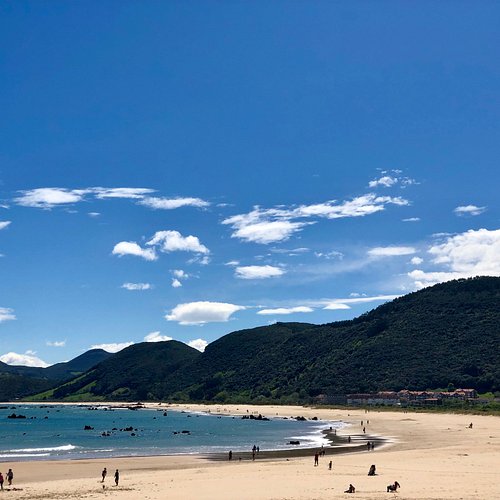
Victoria and El Joyel marshes: the spot for those who already have some level
A quarter of an hour from Noja, already inside the Marismas de Santoña, Victoria y Joyel Nature Park, there's a stretch of flat, sheltered water that many Cantabrian kitesurfers use when the northeast wind picks up and the open sea gets demanding. It's not a spot for beginners — the tide dictates a lot here and you need to know the channels — but for anyone who already controls their sail, it's one of the best wind-to-comfort ratios on the whole eastern coast. The park is also the most important wetland in northern Spain for migratory birds, so it's worth respecting the marked areas and staying out of the protected sections inside the marsh.
Somo and the Ebro Reservoir: if you want to widen your radius
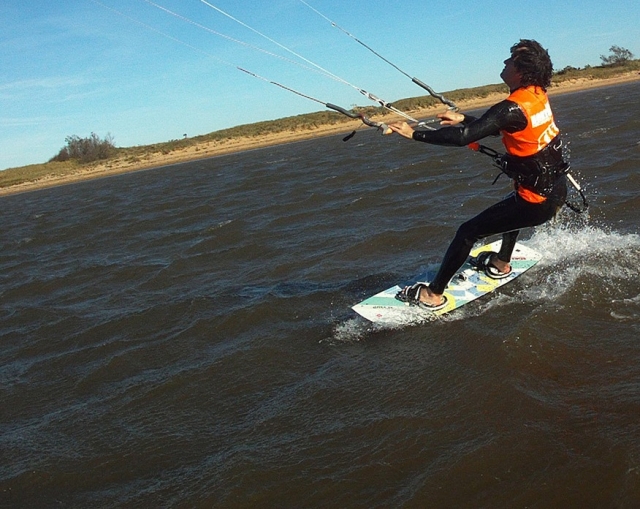
If the plan is to dedicate a full day to windsurfing or kitesurfing, two alternatives a bit further from Bareyo widen the options. Somo beach, at the entrance to Santander Bay, is the region's best-known spot, with schools like Northwind that have been operating since 2004 and organize both lessons and advanced-level outings. And inland, the Ebro Reservoir offers something the coast can't: steady thermal wind from May to September, shallow, wave-free water, and water temperatures of up to 25 degrees at the height of summer — ideal for spending hours practicing without the demands of an open beach.
What you need to know
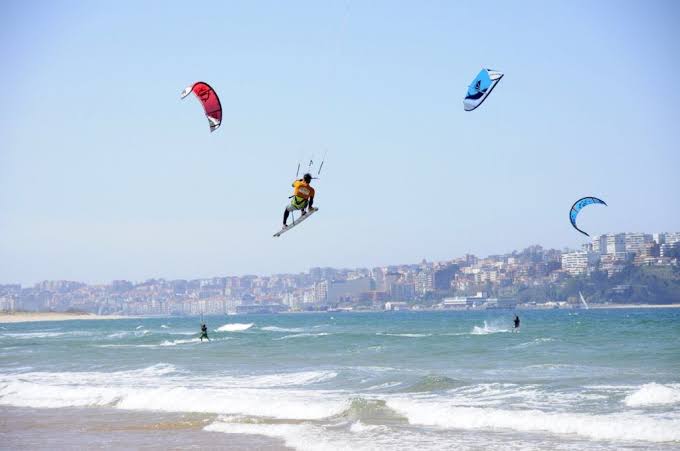
Wind and timing: the thermal wind usually kicks in mid-morning and strengthens in the afternoon, so schools tend to schedule beginner classes between 11:00 am and 5:00 pm. Tide: at Ris and Trengandín it's worth checking the tide table before heading out, since at very low tide the seabed becomes very flat and limits the sailing space near shore. Gear: local schools include wetsuit, sail or kite and harness in their beginner courses, no need to bring your own. Level: Ris and Somo are suitable for starting from scratch; Joyel and the Ebro Reservoir are meant for those who already have the basics down. Parking: at Ris and Trengandín there are free parking areas along the promenade, though in August it's worth arriving early.
"The wind never fails in summer — what's strange is the day it doesn't blow" — that's how one instructor at Ris summed up why August fills the local schools.
After a windsurfing or kitesurfing session, what's most welcome is getting back somewhere you can shower without rushing and without a long drive. If you liked the idea of getting out on the water near Bareyo, take a look at our guide to kayaking and paddleboarding near Bareyo too, another plan just a step from home. From Bareyo, the wind spots along the Trasmiera coast are a short hop away, close enough for a morning of sailing and lunch back home without any rush. Bareyo Residences, with its two villas between sea and mountain, will open its first bookings for September 2027, designed precisely for anyone who wants this stretch of coast within reach all year round.