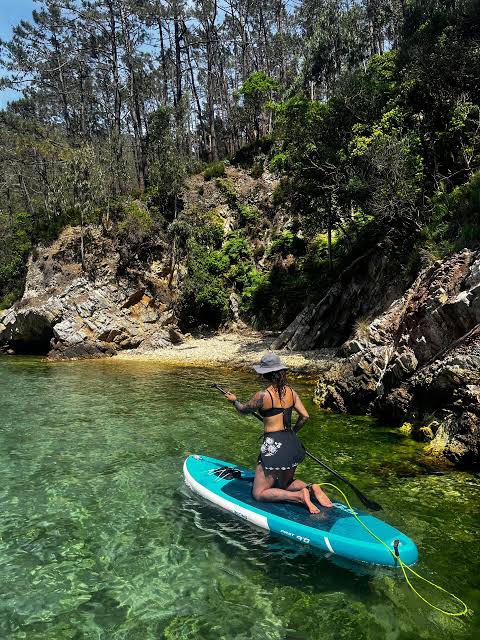
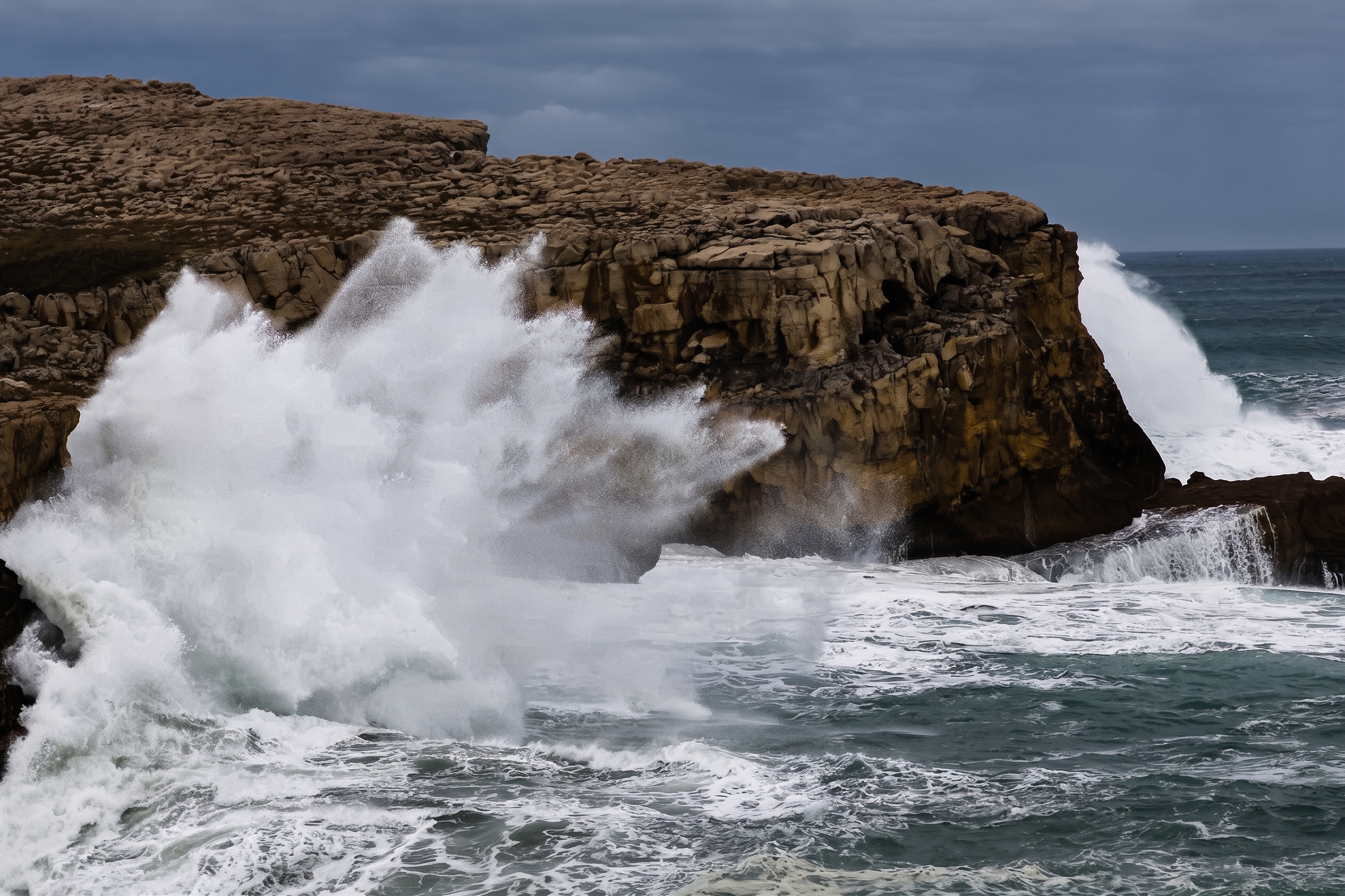
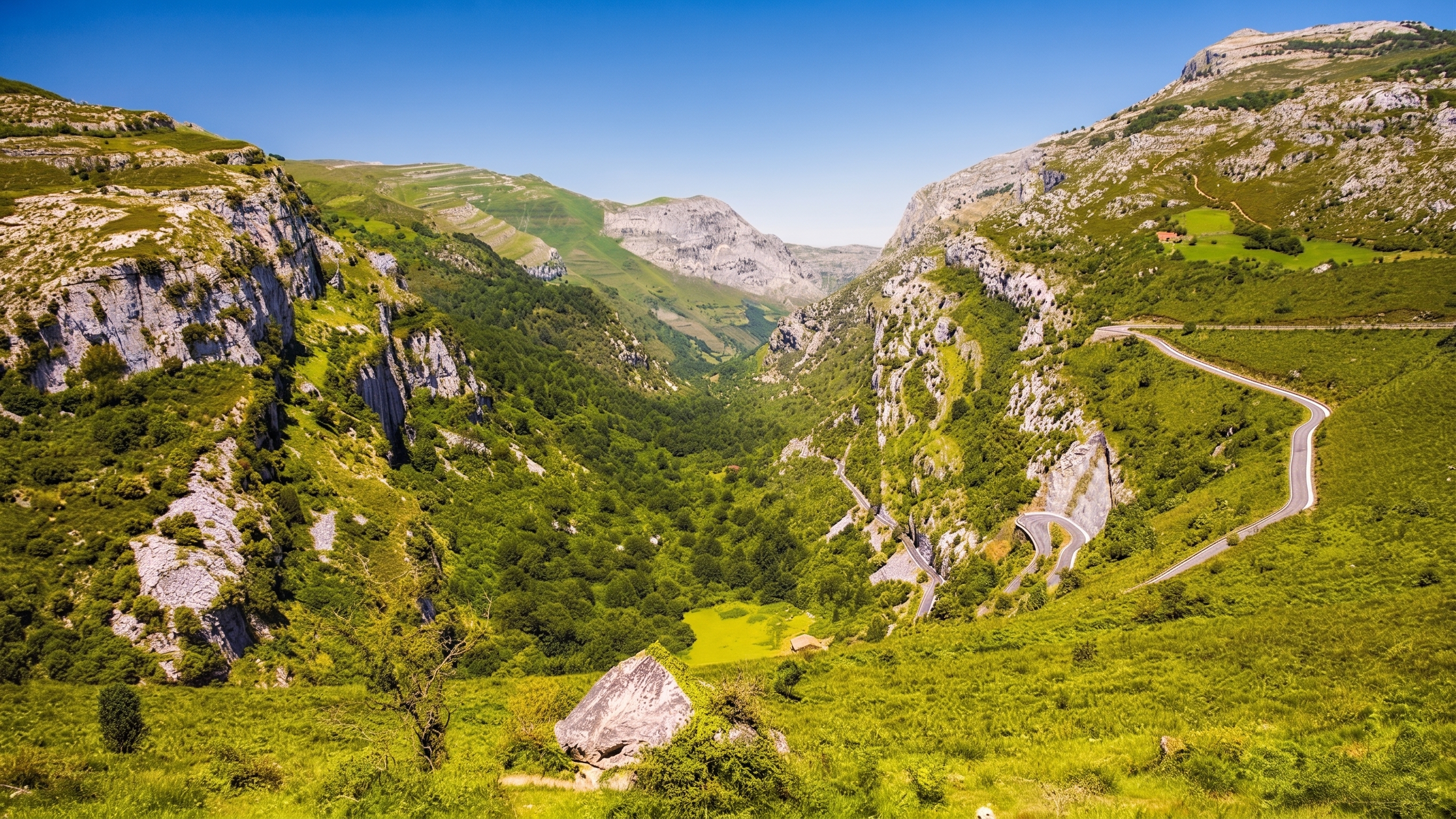
The Camino de Santiago del Norte runs through Bareyo, but you don't need a backpack or Santiago as your destination to enjoy this terrain on foot. Between cliffs, marshes and a handful of villages that have barely changed in centuries, the municipality's immediate surroundings are good for several mornings of walking without repeating a view or driving more than half an hour.
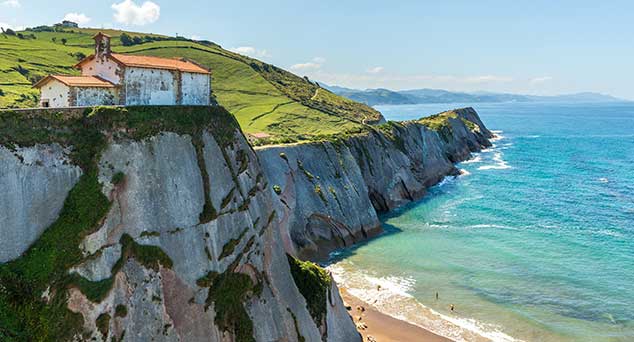
We've put together four real, verifiable routes rated 1 to 5 for difficulty — nothing in this radius reaches a 4 or 5 without already heading into long stages of the Camino, so all of them suit anyone who walks with a bit of regularity. They're ranked from easiest to hardest, though the order also follows the type of terrain: two coastal, one cultural, one through marshland. At the end, a dedicated section for families specifically looking for routes with kids.
The Ojerada and Cabo de Ajo Route
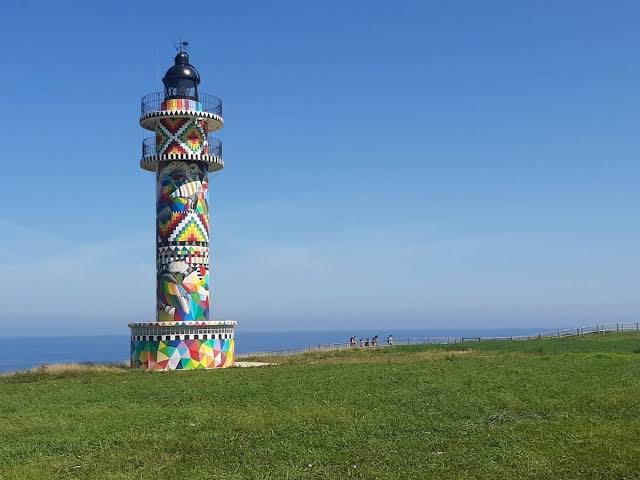
Difficulty: 2/5. A circular route around the headland, from Barrio la Playa to Punta del Rostro, the Ojerada cove and Cabo de Ajo itself, returning via Cueva Mallaria and the Río Campiazo to Barrio la Maza. It's the most scenic of the four — cliffs, waves breaking below and, halfway along, the Faro de Ajo with its Okuda San Miguel murals, which you'll already know if you've read our lookout points guide. With barely any elevation change, it's easily done in a relaxed morning, best at low tide if you want to look into the cave. The terrain alternates between dirt path and rocky stretches along the cliff edge — nothing technical, but grippy footwear helps and it's worth staying alert near the edge.
The Santa María de Bareyo, Molino de la Venera and San Roque de Ajo Route
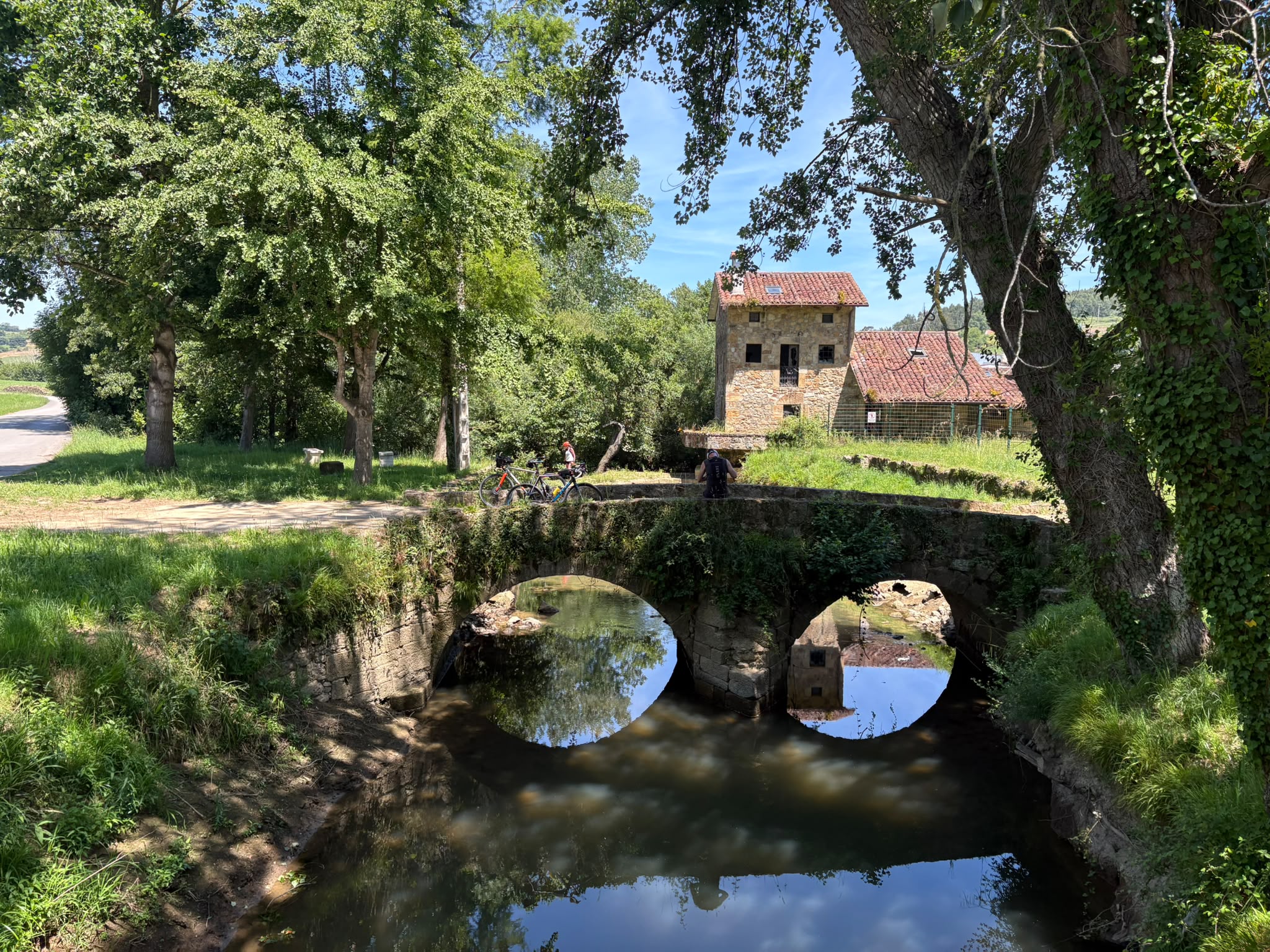
Difficulty: 1/5. Official route number 3 from the Bareyo Town Council is the shortest and most culture-focused on the list: a 6.25-kilometre loop from the town hall itself to the church of Santa María de Bareyo, one of the finest examples of coastal Romanesque architecture in Cantabria, built around 1070. On the way back, it passes the Venera tidal mill, built in 1753 on the Ajo estuary, and the 17th-century San Roque hermitage. Flat terrain for almost the whole way — the pick when the group prefers history over physical effort.
The Cliff Path: Loredo, Langre and Galizano
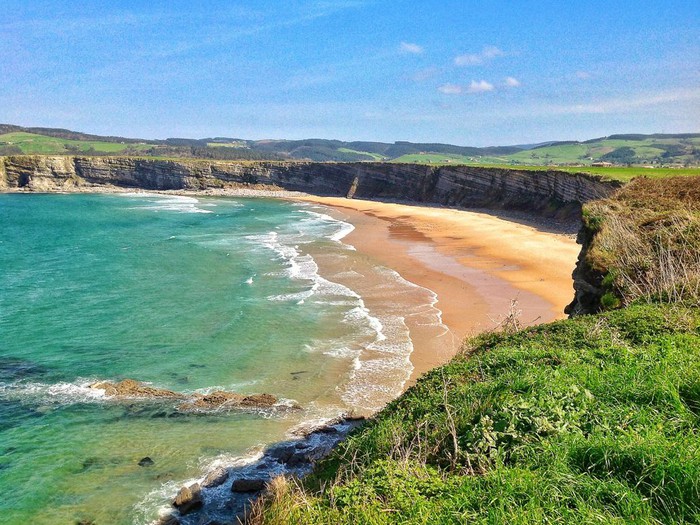
Difficulty: 3/5. The cliff path between Loredo, Langre and Galizano, in Ribamontán al Mar, covers about 8 kilometres of rugged coastline — the longest and most demanding of the four, roughly three unhurried hours on foot. It passes the Los Tranquilos viewpoint, the natural rock pools of Llaranza and Langre beach, which we covered in our beaches guide, before reaching Galizano. The route is only partly signposted, so it's worth having it downloaded — there's no serious risk of getting lost, but there are stretches where the path blurs between meadow and cliff edge.
The Santoña Marshes Trail
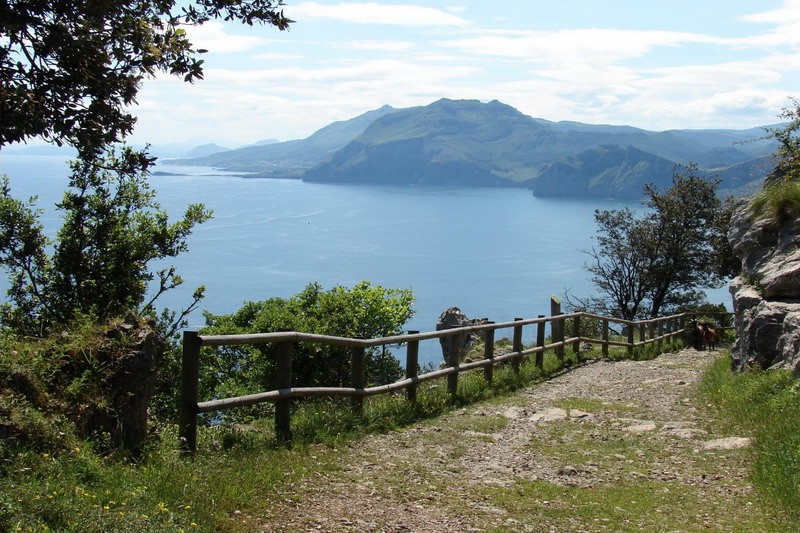
Difficulty: 1/5. The trail through the marshes of Santoña, Victoria and Joyel covers about 10 flat kilometres among dunes, lagoons and tidal creeks, next to Berria beach. It's the route with the most wildlife on the list — one of the most important wetlands in northern Spain for migratory birds — with stretches of wooden boardwalk that make the terrain comfortable for a stroller in several sections. You don't need to finish the whole thing to enjoy it: the first two or three kilometres already make for a good morning walk.
Hiking Routes With Kids Near Bareyo
For little ones who can't yet manage long distances, the Santa María de Bareyo route (flat, short, with a centuries-old church and a mill kids tend to love) and the first stretch of the Santoña marshes (flat, with boardwalks, and herons or storks all but guaranteed) are the safe bets. The Ojerada route works for children who already walk well and won't wander alone toward the cliff edge. We'd leave the Loredo-to-Galizano path for older kids, given the distance.
What You Need to Know
Footwear: hiking or sports shoes with good grip for the three coastal routes; any comfortable shoes work for the Santa María de Bareyo route. Best time: summer mornings, before the heat sets in — especially for the Ojerada and the cliff path, which have almost no shade. Tides: check the tide table before heading to the Ojerada or the marshes — at high tide, some stretches along the coast get covered. Water and sun protection: none of the four routes has water fountains or continuous shade.
You don't need to be a pilgrim to enjoy the Camino del Norte on a regular day. Sometimes it's enough to go out for a morning walk with no backpack and no rush to get anywhere.
Four routes, four different paces, and none more than half an hour from the villas. It's part of what makes Bareyo a place worth staying more than a weekend — there's always more terrain to explore on foot.
Bareyo Residences sits at the heart of this municipality, with the Camino del Norte and its paths right on the doorstep. Available to book from September 2027.