The Marismas de Santoña are the most important wetland in northern Spain for waterbirds, with as many as 20,000 individuals from 50 species during the peak months. The best months to see them run from August to January; the park has free, open access year-round, with viewpoints set up at several points along the estuary.
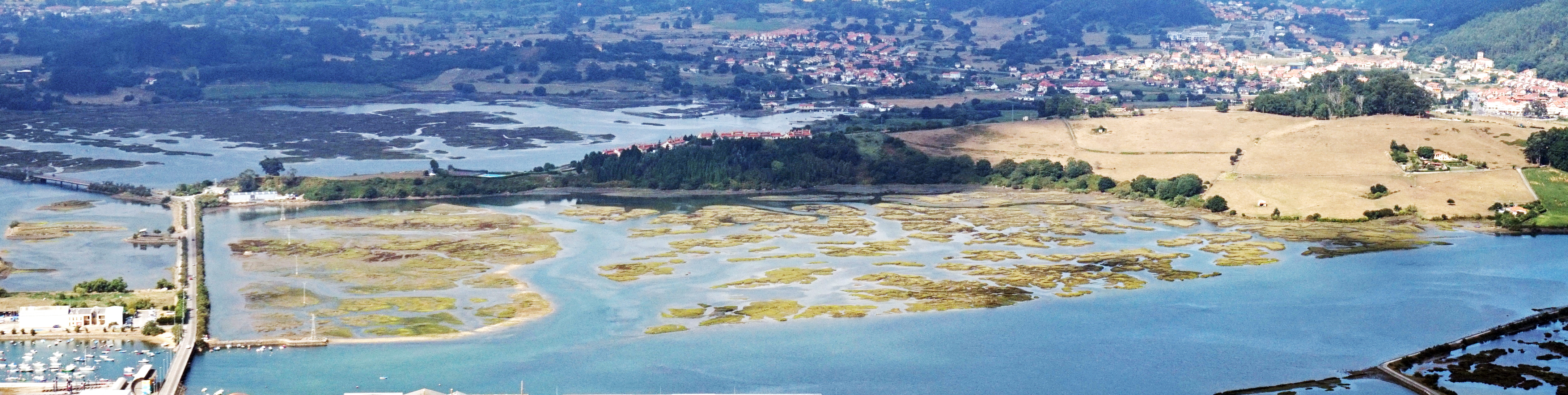
The Marismas de Santoña, Victoria y Joyel Natural Park is Cantabria's largest wetland and one of the most important on the whole Cantabrian coast for the passage and wintering of waterbirds. Between the Asón estuary and Santoña bay, mudflats, salt-marsh meadows and tidal channels come together to form a resting and feeding ground for species traveling between northern Europe and Africa.
You don't need to be an experienced birder to enjoy a visit: binoculars, a bit of patience and choosing the right time of day and year are enough. From the viewpoints set up by the park itself to the guided boat route along the estuary in winter, there are options both for a quiet afternoon out and for anyone who wants to get seriously into bird watching.
Why the Marismas de Santoña matter so much for birds
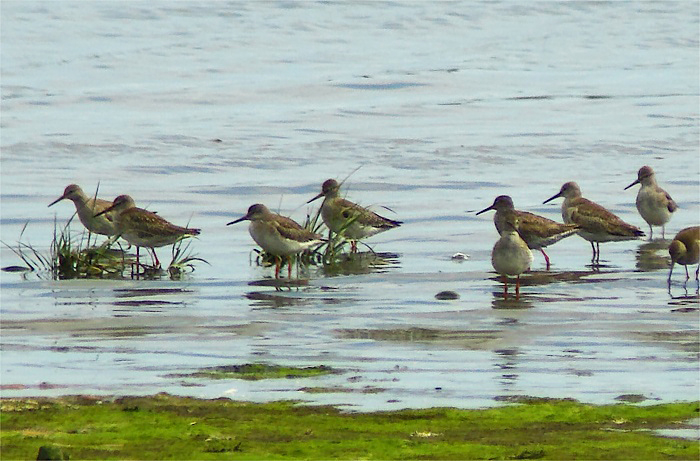
Every year, a third of the entire European population of the Eurasian spoonbill (Platalea leucorodia) stops over in these marshes during its migration to Africa, according to estimates from SEO/BirdLife. It's not the only one: waders, ducks, herons, cormorants and, in the colder months, large flocks of geese turn the estuary into one of the most accessible wildlife spectacles in Cantabria.
The combination of intertidal mudflats, high marsh and deep channels lets species with very different needs coexist — from birds that probe the mud to those that dive in the channels — which is why more than 180 different species have been recorded in the area over the course of a year.
When to go: the best time to watch birds in Santoña
Activity picks up in August and September, with the arrival of the first herons and waders from northern Europe. In October and November the first geese and ducks join them, and the largest concentration — between 10,000 and 20,000 birds from more than 50 species — is reached in late December and early January, coinciding with the peak of the wintering season.
In July and August, when beach tourism is at its height, the marsh is quieter in terms of birds, though it's still a good place to watch resident waders and the first autumn arrivals. If the goal is to see the greatest number and variety of birds, it's worth planning the visit between October and January.
Where to watch birds in the Marismas de Santoña: viewpoints and access
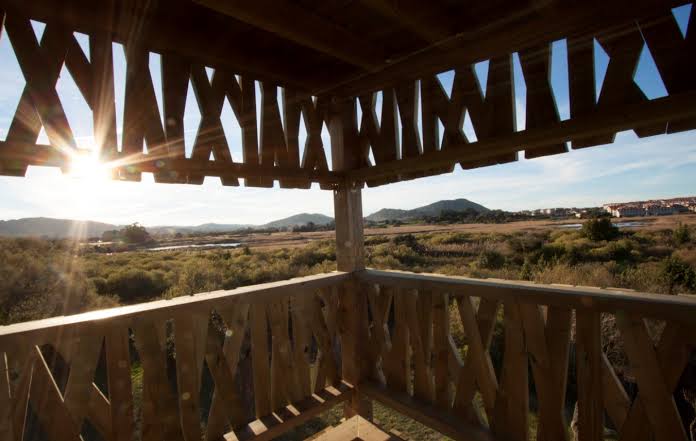
The park's Interpretation Center, in the port of Santoña, is the best starting point: along with information panels, it has a covered observatory with direct views over part of the estuary, ideal for getting started without traveling far. It's open every day in July and August, from 10:00 to 19:00, with reduced hours the rest of the year, according to the official Turismo de Cantabria website.
Other regular observation spots are around Escalante, on the marsh's southern shore, and the path along the road that skirts Argoños, both with good visibility over the mudflats without having to venture into the marsh itself. It's worth bringing comfortable footwear and your own binoculars — there's no rental at the center.
The boat route with Aves Cantábricas
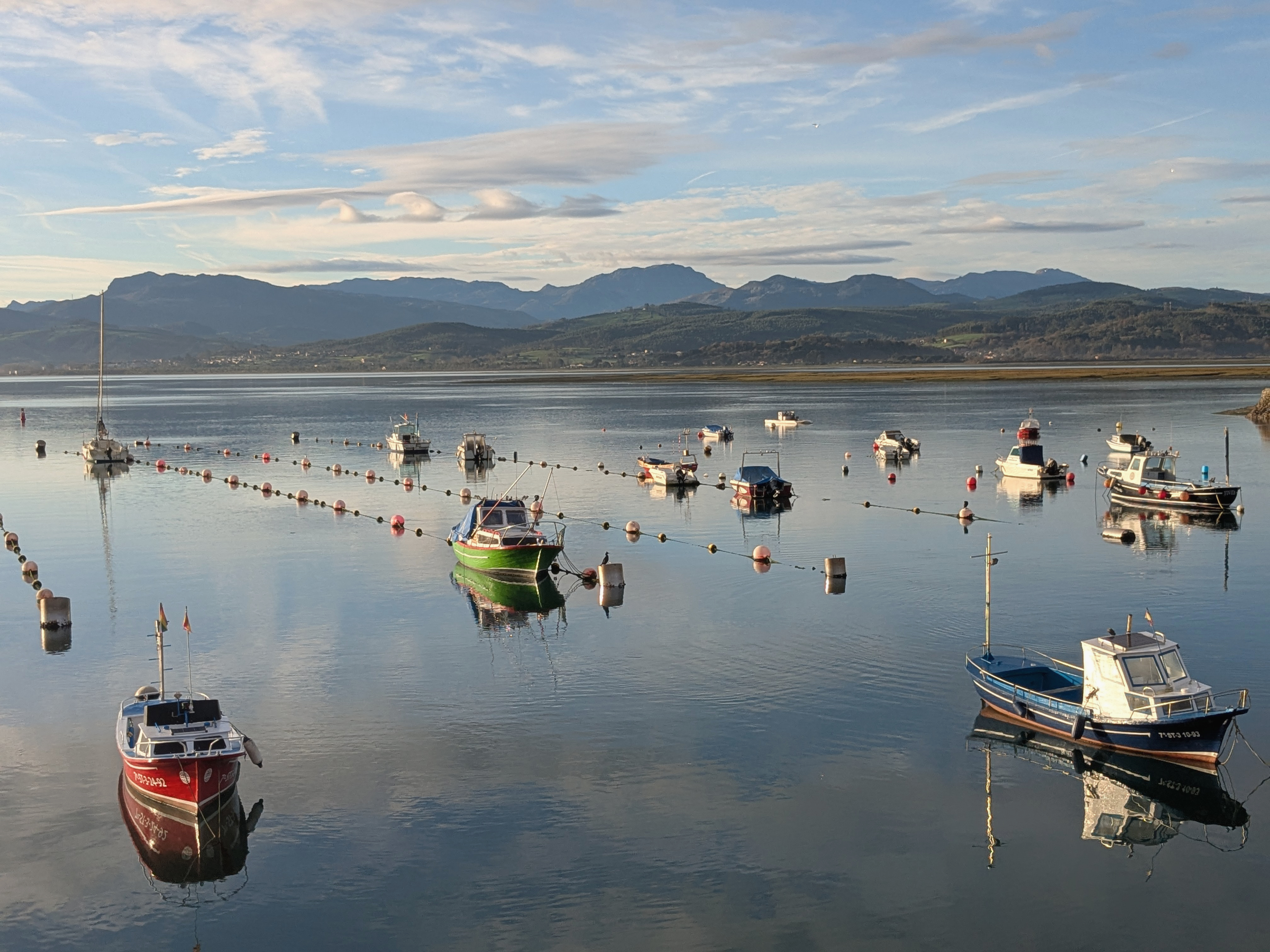
For anyone who wants to go beyond the viewpoints, Aves Cantábricas runs a guided boat route along the Asón estuary, departing from Santoña's marina, with small groups of up to six people and binoculars and a telescope included. It's the most thorough way to get close to the flocks without disturbing them, sailing through channels that no land-based viewpoint can reach.
The activity only runs between November and March, coinciding with the wintering season, so if you visit the area in summer this boat route won't be available and it's best to stick to the viewpoints and the Interpretation Center.
What you need to know
- Access to the natural park: free and open year-round.
- Interpretation Center: port of Santoña, open daily in July and August from 10:00 to 19:00; reduced hours the rest of the year.
- Best time to see the most birds: October to January, with the wintering peak in late December.
- In summer: fewer birds concentrated, but a good time for resident waders and the first autumn arrivals.
- Boat route with Aves Cantábricas: only available November to March, €35/person, groups of up to 6 people.
- What to bring: your own binoculars, comfortable footwear and, if possible, a field guide to waterbirds.
A third of the entire European population of the Eurasian spoonbill passes through these marshes every year, without most people vacationing just a few kilometers away ever knowing it.
The Marismas de Santoña are just over twenty minutes' drive from Bareyo, which makes them one of those plans you can improvise on a free morning, with no need to book anything if the goal is simply to walk the viewpoints. If you're also interested in the area's less crowded coastline, our guide to beaches near Bareyo covers other spots at the same distance.
From Bareyo Residences, the drive to Santoña is short and needs no planning ahead — another one of the advantages of living near Cantabria's eastern coast rather than just visiting it. The villas will be available to book from September 2027.