Where can you try the best quesadas in Cantabria? The most reputable quesada pasiega bakeries cluster in the Pasiego Valleys — Vega de Pas, Ontaneda, Alceda — and in Hoznayo, with a few coastal options too, like Santillana del Mar. This guide covers six verified addresses, from century-old tradition to the 2025 award-winning quesada.
Quesada pasiega is Cantabria's oldest sweet: it's already mentioned in the Libro de Buen Amor, from the 14th century, and it was born in the Pasiego Valleys as a way to make use of surplus milk from local cows. It's made with well-drained curd, egg, butter, sugar and a touch of cinnamon and lemon, baked until the surface turns golden and lightly toasted on top, while the inside stays dense and moist.
For this selection we've prioritised bakeries with verifiable artisan production, a recognised track record (some with more than a hundred years of history) or recent industry awards, leaving out purely industrial producers. Most are concentrated in the Pasiego Valleys, the birthplace of quesada, though we close the list with an option on the coast for anyone not planning to venture into the valley. The order isn't a fixed ranking from best to worst, but a journey that runs from the most recent recognition to the longest-standing tradition, ending with the most practical stop for anyone visiting the coast.

Los Pasiegos de Diego (Hoznayo)
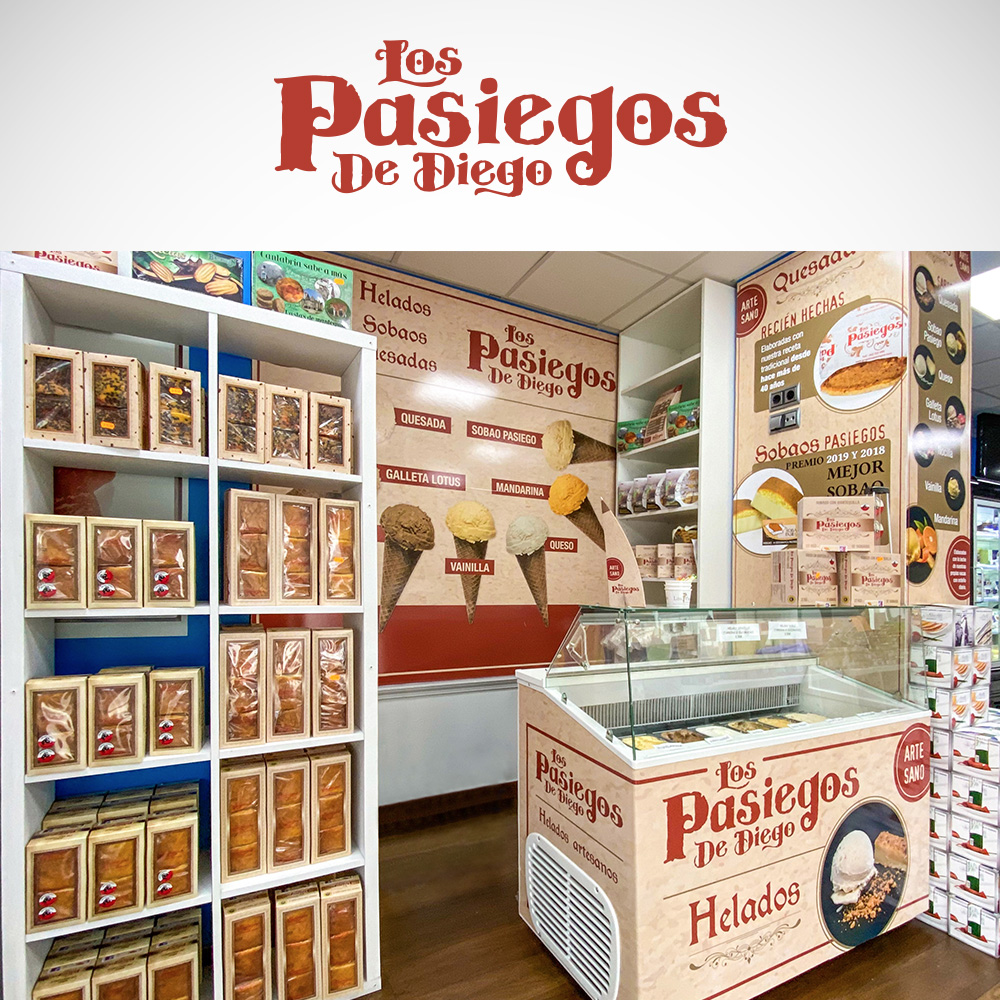
We start with the most recent title: the quesada from Los Pasiegos de Diego took the 2025 award for best quesada in Cantabria. The bakery, based in Hoznayo for more than four decades, receives fresh milk daily, curdles its own fresh cheese and assembles each quesada by hand with egg, butter, sugar, flour and lemon essence. There are no industrial shortcuts or preservatives: what's sold in the morning was baked that same early morning. It's on the outskirts of Hoznayo, between exits 195 and 197 of the A-8, right on the natural route towards Santander if you're coming from Bareyo, which makes it an easy stop to fit into any route along the coast.
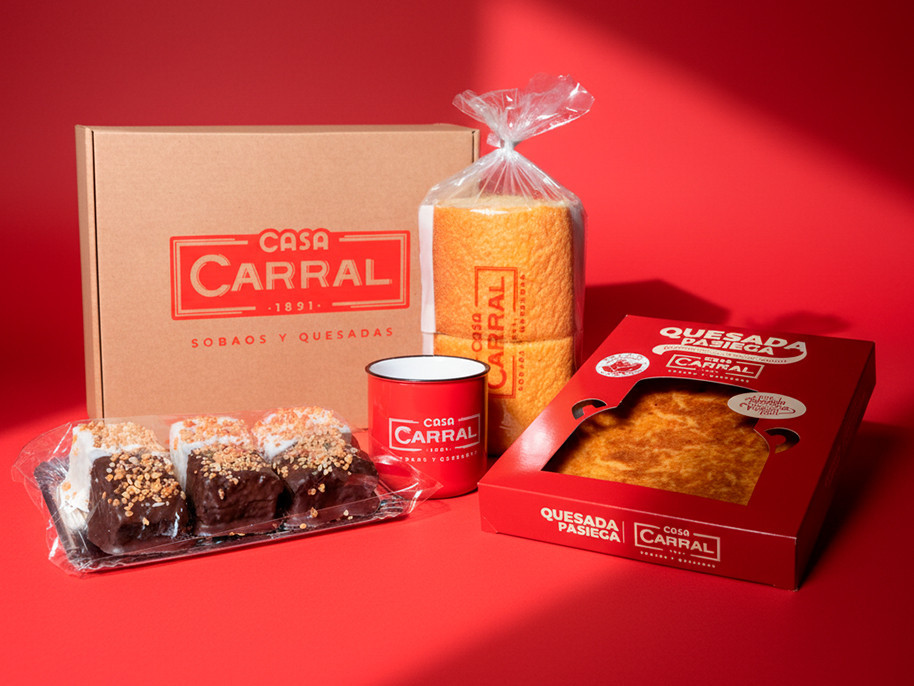
Casa Carral (Torrelavega, originally from Vega de Pas, 1891)
The most veteran quesada on this list dates back to 1891, when Pilar Gómez Conde began selling sobaos and quesadas in Vega de Pas, among the first to sell the sweet beyond the home. The business passed down through generations — with a closed gap of several years — until the family took it up again in 1987, by then based in Torrelavega, where it remains today. Its quesada has won the AFCA award for best in Cantabria, a recognition that confirms the original recipe has barely changed in more than a century. It's the option with the most history behind it, and also the most accessible if you're in the Torrelavega area rather than heading into the Pasiego Valleys.
Casa Olmo (Ontaneda)
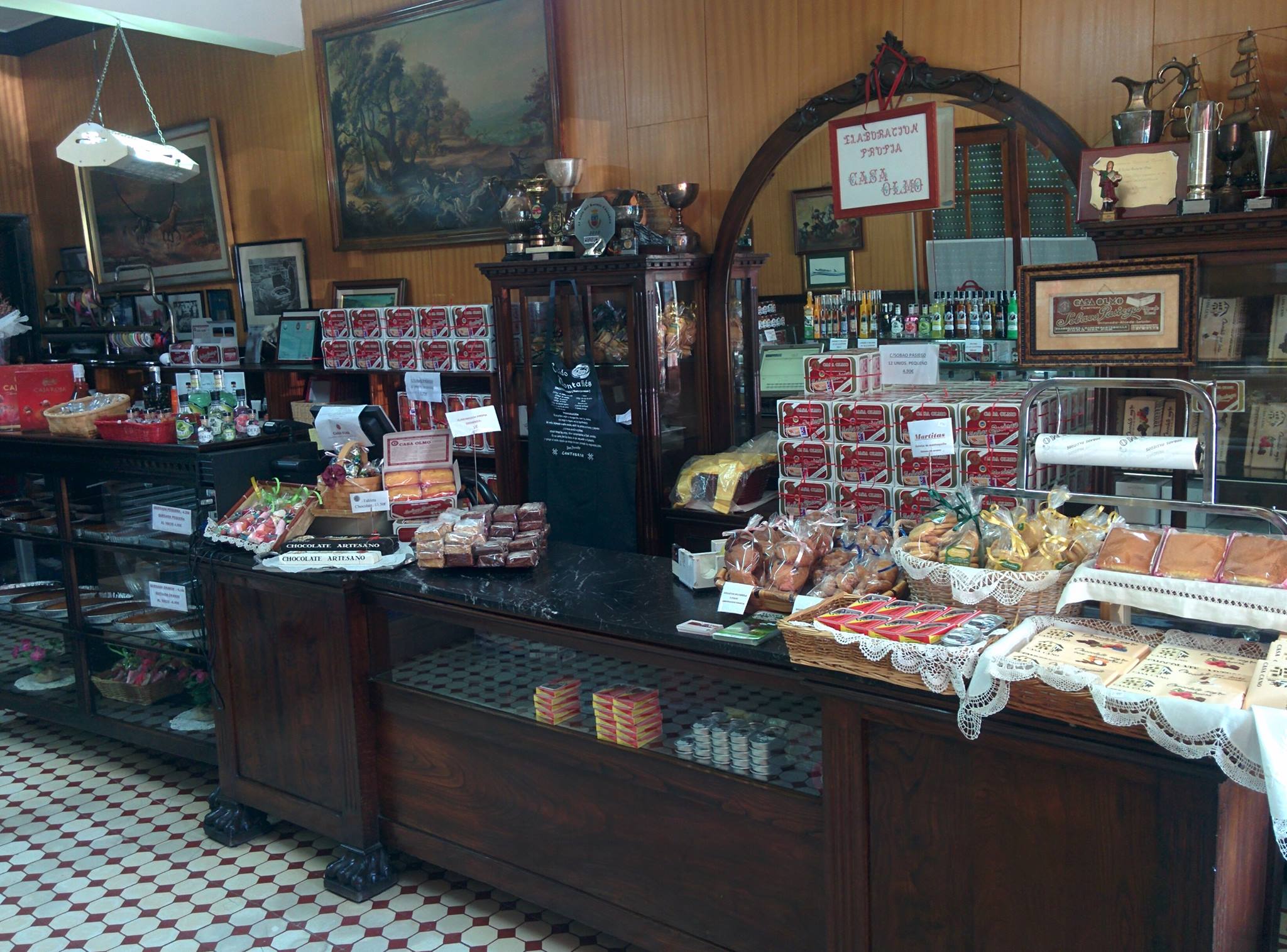
In the heart of the Pas Valley, Casa Olmo has been making quesada since 1911, following the same recipe it started with more than a century ago. The bakery, on the banks of the Pas river, keeps the full artisan process: well-drained curd, quality butter and slow baking until it gets that toasted top layer that sets good quesada pasiega apart from the rest. More than a hundred years of continuity is no accident, and it shows in a product that hasn't needed to reinvent itself to remain a benchmark in the area. If you visit the Pasiego Valleys, Ontaneda is a near-obligatory stop, and Casa Olmo is the main reason to make it.
Sobaos Etelvina (Vega de Pas)
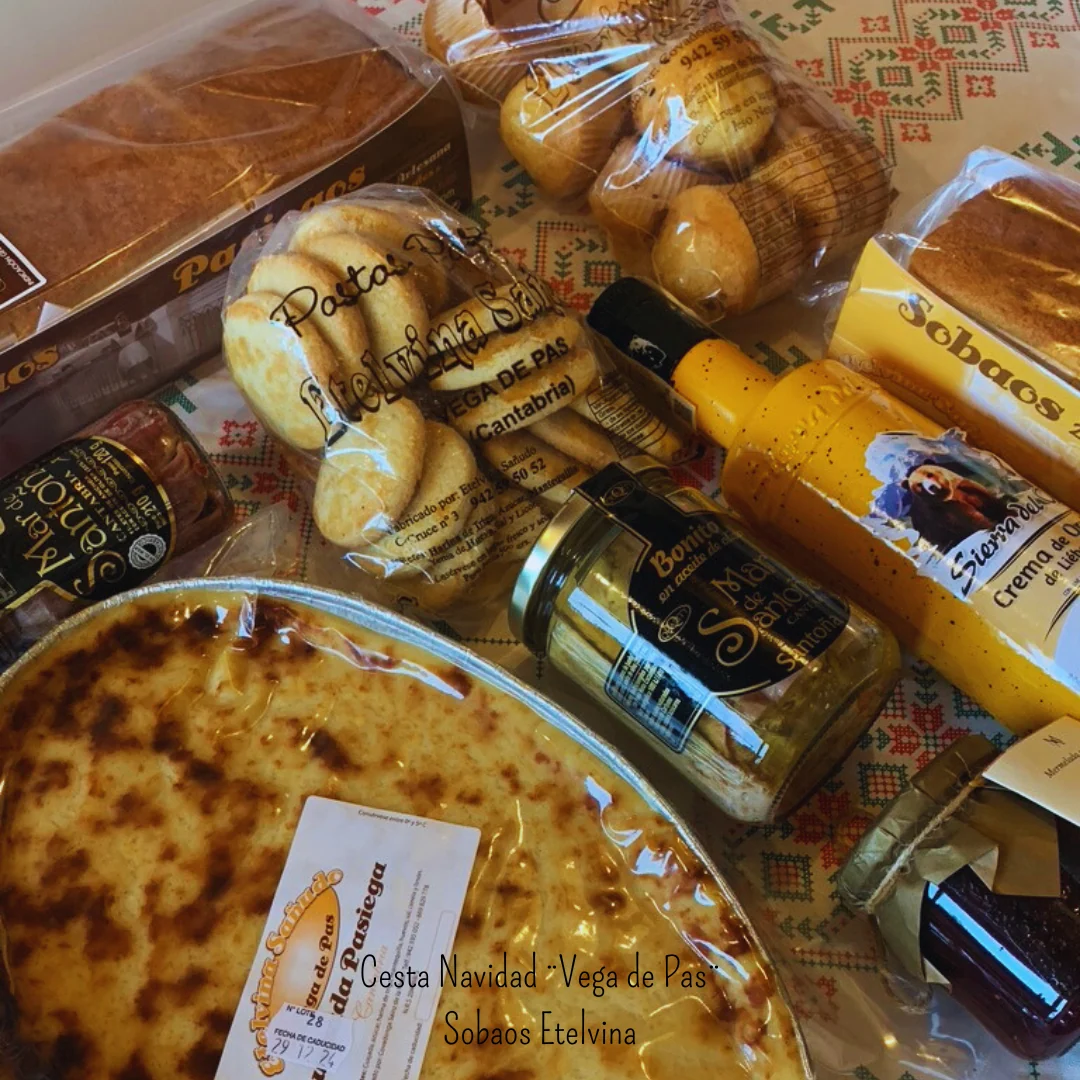
Vega de Pas is, along with San Roque de Riomiera and San Pedro del Romeral, one of the three Pasiego villages where this sweet was born, and Etelvina Sañudo has been making it right here for three generations. The family bakery works without preservatives or colourings, using the recipe passed down within the same family since its beginnings. Being in the village where quesada originated has its own value: you can buy it freshly baked in the very place where the tradition is documented. It's no coincidence that the Gran Fiesta del Sobao Pasiego y la Quesada de Vega de Pas has been declared a Regional Tourist Interest Festival: it's held every year in the village square and is the best proof of how deeply rooted this sweet is in local culture.
Sobaos y Quesadas Rosi (Alceda-Ontaneda)
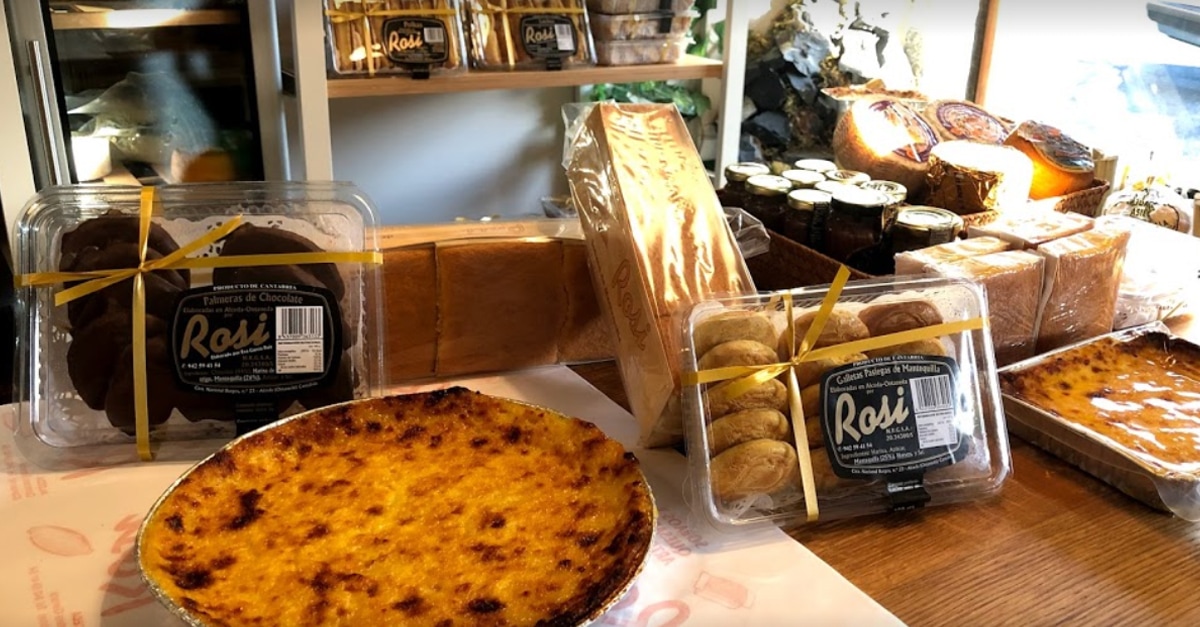
A few minutes from Casa Olmo, in the same town of Alceda-Ontaneda, Rosi offers an equally artisan alternative, but with a slightly sweeter profile and a slightly denser texture, which makes it the best direct comparison if you want to taste two different quesadas in the same afternoon. The bakery sells both in its physical shop and by online order, and it's common to find its product in gourmet shops across Cantabria, outside the valley. For anyone looking to do a comparative tour of the Pas Valley without covering extra kilometres, having two bakeries of this level in the same town is a rare advantage.
Obrador Casa Ángel (Santillana del Mar)
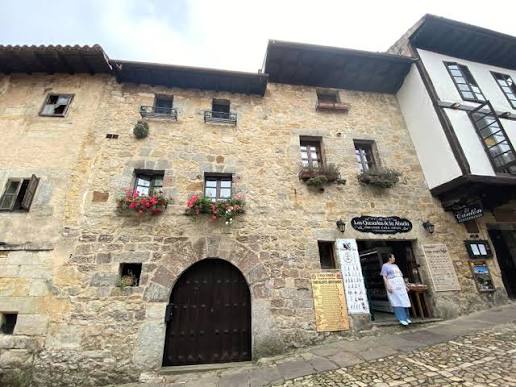
The list closes on the coast, not in the valley: in Santillana del Mar, Casa Ángel makes what it unashamedly calls grandma's quesadas, using the family's long-standing recipe. It's the most practical option if your route doesn't include venturing into the Pasiego Valleys, because Santillana del Mar is already a regular stop for anyone visiting Cantabria for its medieval old town and its proximity to the Neocueva de Altamira. It's open every day from 10:30 to 20:30, so it fits well whether you're there for a morning stopover or an afternoon stroll through the town's cobbled streets.
What you need to know
- Quesada pasiega keeps well for 3-4 days at room temperature and up to a week in the fridge, though it's at its best the same day or the day after baking.
- Rough price guide: on the Los Pasiegos de Diego online shop, quesada costs around 9-11 € per piece; the other bakeries on this list don't publish a fixed price, so it's worth confirming when you buy.
- Most of these bakeries allow orders in advance by phone or online to secure pieces on weekends or during high season.
- Don't confuse quesada with cheesecake: quesada is made with pasiego milk curd and has a denser, less creamy texture than a cheesecake.
- The Pasiego Valleys (Vega de Pas, San Roque de Riomiera, San Pedro del Romeral) have the highest concentration of traditional bakeries; the coast offers fewer options but more accessible ones if you don't want to stray from the shoreline.
Quesada wasn't made to look pretty in a shop window: it was made to use up leftover milk, and that's why the good ones are still the ones that keep it simple.
If you fancy doing the route through the Pasiego Valleys, keep in mind that most of these bakeries close on Mondays or have reduced hours outside high season, so it's worth calling before making a detour. And if you'd rather stay closer to the coast, our guide to the best sobaos in Cantabria is the perfect companion: same Pasiego origin, different sweet. Whichever route you choose, you can always head back to Bareyo with a box of quesada under your arm and enjoy it at leisure on the terrace of Villa Camino or Villa Monte, opening their doors in September 2027.