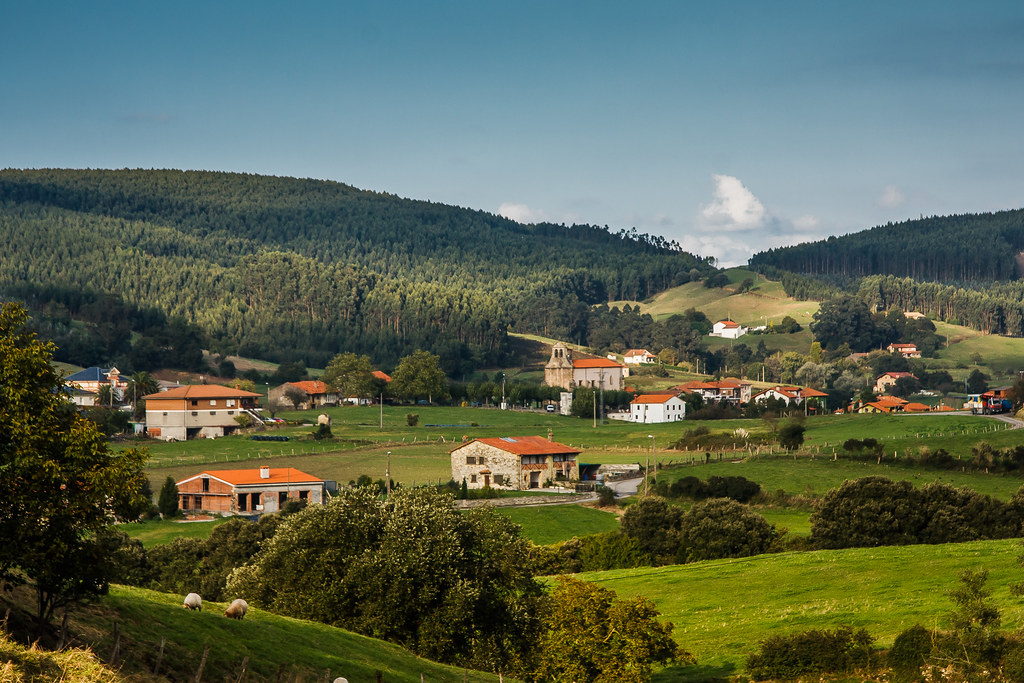
Güemes is a village within the municipality of Bareyo, less than ten minutes by car from the villa, known worldwide in Camino de Santiago circles for being home to La Cabaña del Abuelo Peuto: a pilgrim hostel founded in 1999 by Ernesto Bustio, with 100 beds, a communal dinner and a donation-based system, open all year round.
Very few residents of Bareyo outside the world of the Camino de Santiago know that, barely 1.6 kilometres from Ajo, the municipality's main town, they have one of the best-known stops on the entire Camino del Norte. Güemes isn't a big village — barely 300 people live there — but every year it welcomes thousands of pilgrims arriving exhausted from Laredo or Islares looking for a bed, dinner and, above all, conversation with a priest who has spent more than two decades telling stories at the same table.
The reason Güemes appears in almost every pilgrim diary, book or documentary about the Camino del Norte is a single place: La Cabaña del Abuelo Peuto, the hostel founded by Father Ernesto Bustio in what was his family's home. You don't have to be a pilgrim to be curious about what happens every night in that dining room, though the hostel only takes in guests with a Camino credential.
Ernesto Bustio's hostel: La Cabaña del Abuelo Peuto
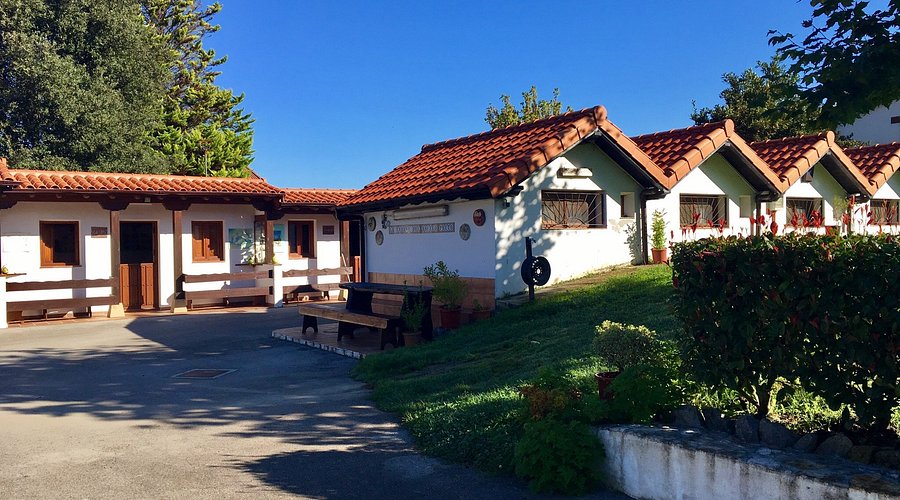
Bustio opened the hostel in 1999 in the house where he was born, and has run it ever since with a team of volunteer hospitaleros who take turns throughout the year. The space has grown over time to 100 beds spread across five rooms inside the main house and eight wooden cabins on the surrounding plot, surrounded by a vegetable garden and the animals that are also part of the project. There's no fixed rate: lodging, dinner and breakfast are paid through a donation each pilgrim decides freely and anonymously, intended to cover the upkeep of the place, not to generate profit.
What a night at the hostel is like
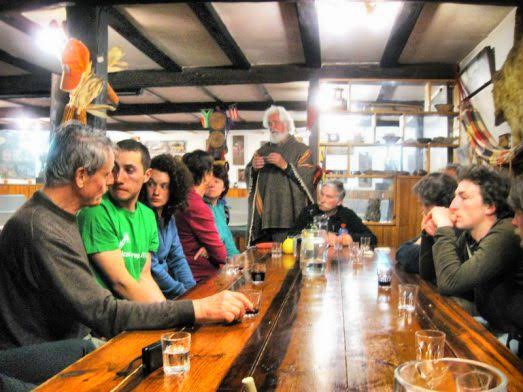
The experience follows a ritual that has barely changed in 25 years: arrival in the afternoon, a shower, washed clothes hung out in the yard and, at nightfall, a communal dinner where all the pilgrims sit at the same long table. That's usually when Father Ernesto takes the floor to talk about his travels through South America and Africa, the meaning of walking, and the hostel's own history, before everyone turns in to sleep thinking about the next day's stage. The hospitaleros wake guests early, as is customary in Camino hostels, to make room for the next round of pilgrims.
The Camino de Santiago stage: from Laredo to Güemes and from Güemes to Santander
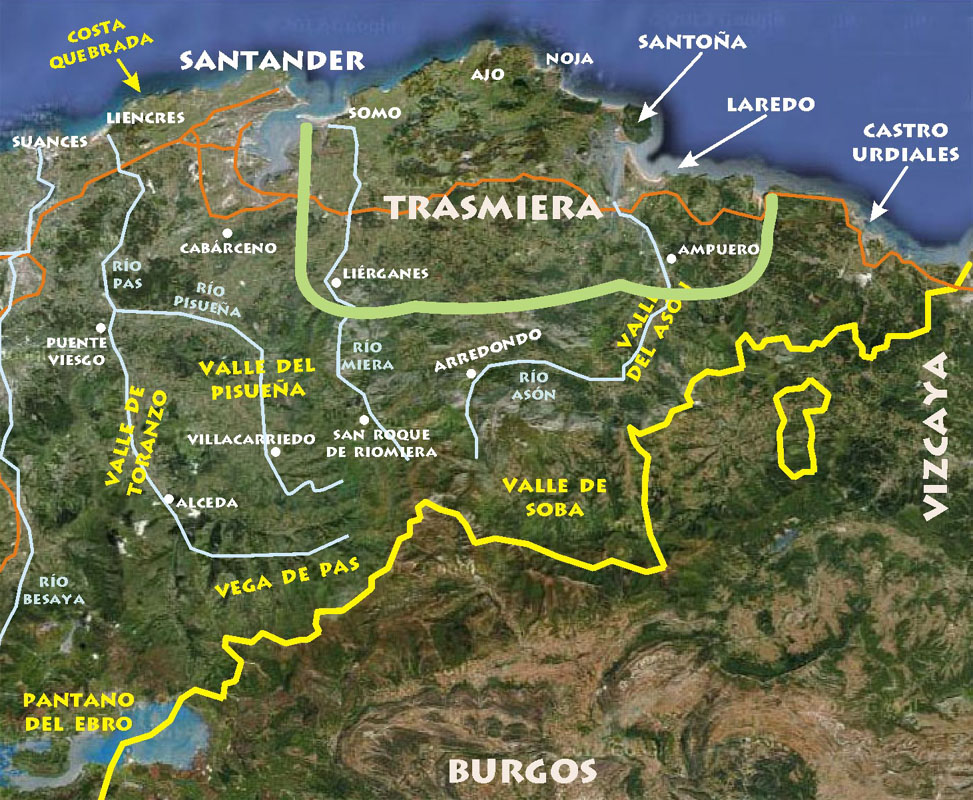
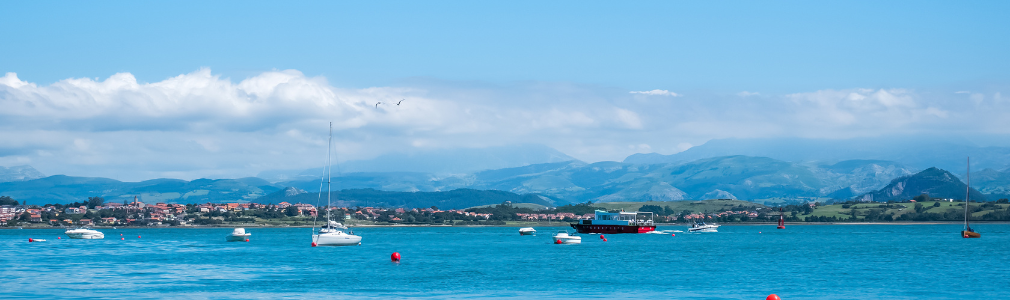
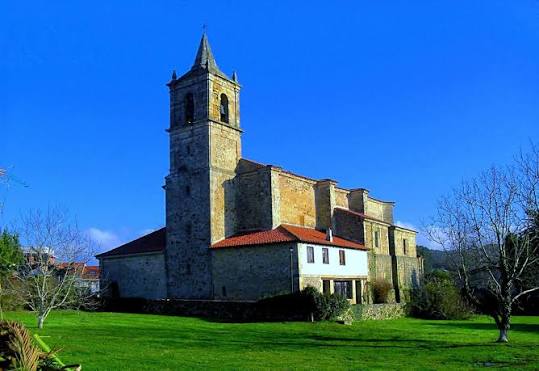
Güemes sits at a natural resting point on the Camino de Santiago del Norte, between the stage arriving from Laredo — about 27 kilometres of coast and marshland — and the one setting off for Santander the next day, of between 12 and 15 kilometres depending on the route chosen. That second stretch passes through Galizano, where it's worth stopping at the 16th-century Church of Nuestra Señora de la Asunción, and past the Santuario de Santa María de Latas before reaching Somo beach, from where many pilgrims cross the bay by boat to Santander instead of walking around it. Cultura de Cantabria has the full route of the Camino del Norte through the region, declared a UNESCO World Heritage Site.
Who can stay overnight in Güemes
Access to the hostel is reserved for those doing the Camino on foot, by bike or on horseback and carrying a pilgrim's credential stamped on previous stages; it isn't accommodation open to anyone who simply wants to visit Güemes by car and spend the night. That condition is the same as in most hostels in the Jacobean network, but here it's lived with a strong philosophy: donation and the shared table as a way of recovering the medieval hospitality that gave rise to the first pilgrim shelters centuries ago.
Good to know
Güemes belongs to the municipality of Bareyo, less than ten minutes by car from Ajo. The La Cabaña del Abuelo Peuto hostel is open all year and only takes in pilgrims with a Camino credential, with a free-donation system for dinner, lodging and breakfast. It has 100 beds between the main house and the outdoor cabins, and it's worth arriving in the afternoon, since beds aren't reserved by phone for the same night. If you're not doing the Camino, you can still stroll through the village and see the hostel's surroundings from outside, always respecting the pilgrims' rest.
At the long table in Güemes, pilgrims who didn't know each other in the morning end the night listening to the same story from Father Ernesto.
That a village of barely 300 people in the municipality of Bareyo is a required stop in Camino de Santiago guides across the world says a lot about what this corner of Cantabria has to offer, even without walking a single kilometre. If the Camino del Norte has sparked your curiosity, our guide to the Camino de Santiago del Norte in Cantabria covers the rest of the stages that cross the region. From Bareyo Residences, Güemes is just a short drive away, and September 2027 still has availability for anyone wanting to stay near this singular part of the municipality.