In Cantabria, you eat first and debate later. The region lives off a short pantry: pasiega cattle in the inland valleys, anchovy and bonito along the coast, and a buttery pastry tradition that needs no introduction outside its borders. You don't have to look far to find the origin of each dish — it's usually less than an hour away by car.
This guide isn't a list of restaurants — for that, we already have our guide to eating in Ajo and Bareyo. Here the focus is on the dishes and products that define Cantabrian cuisine: where they come from, why they're famous, and where to find them with confidence near Bareyo.
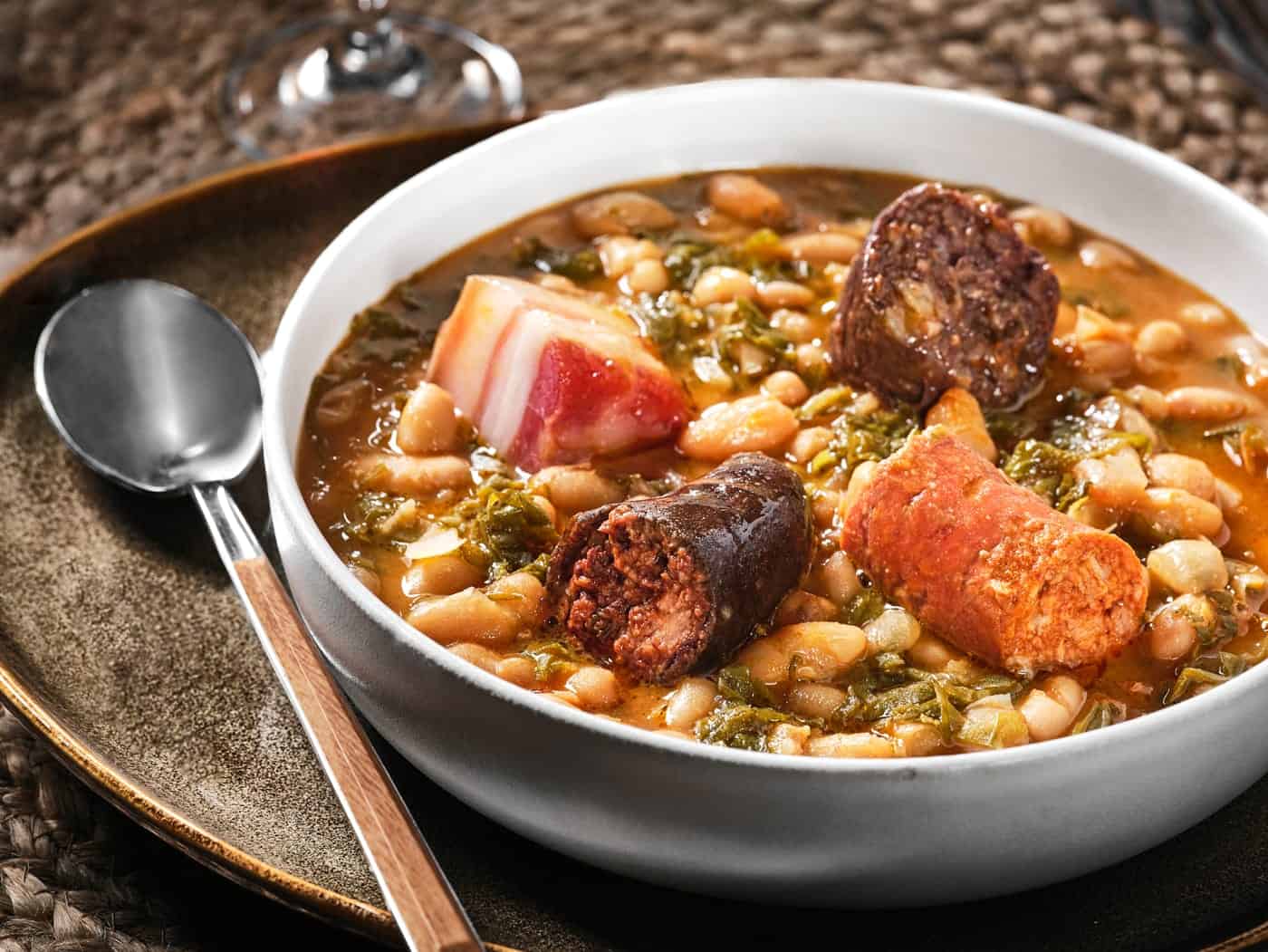
Cocido montañés, the stew that sums up Cantabria
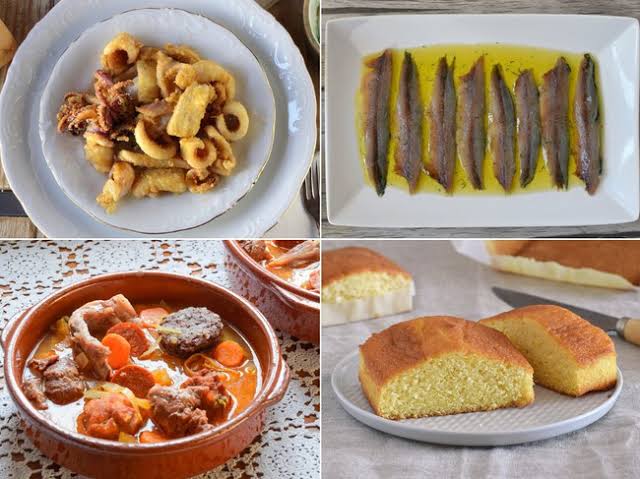
Cocido montañés was born in the 17th century in the villages of the Cantabrian mountains, designed to fuel a full day's work in the fields or with livestock. The base is white beans with cabbage or collard greens, potato, and a generous compango — chorizo, morcilla, pork belly and rib — all served together on the same plate, without separating broth from solids as in other Spanish cocidos.
It's traditionally a cold-season dish, but in Cantabria it's served year-round, especially on Sunday afternoons. If you find it on a set menu, it tends to be generous — you'll rarely need to order a second course after it.
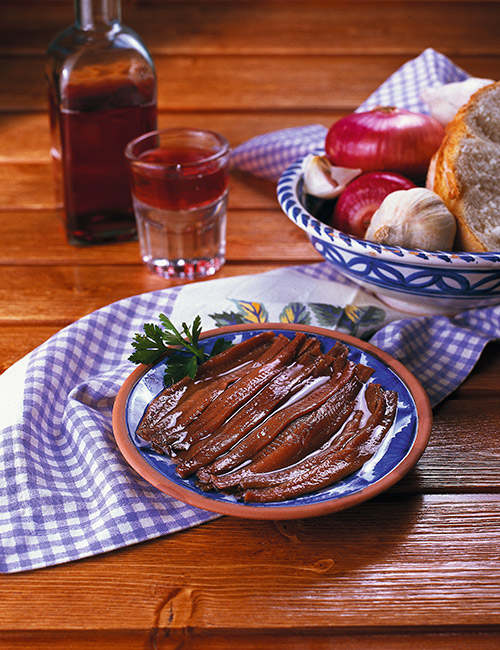
Santoña anchovies, the Cantabrian product that crossed borders
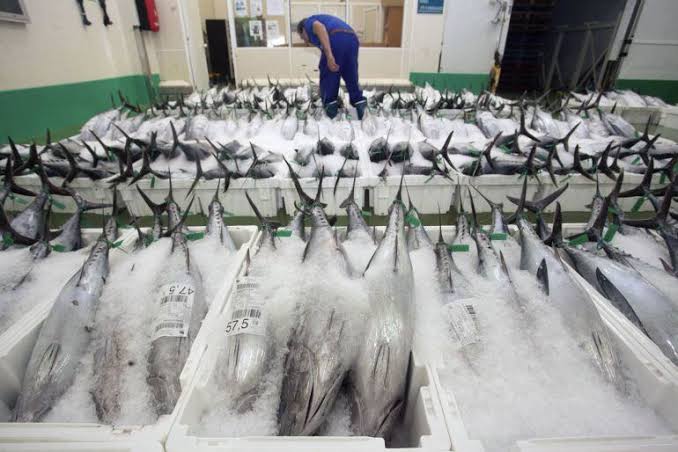
Twenty minutes from Bareyo, Santoña accounts for a large share of Spain's entire salt-cured anchovy production. The process has barely changed in a century: the bocarte is cleaned and hand-pressed in salt for months, and only then filleted and packed in olive oil. That slow curing is what sets a Santoña anchovy apart from any other — the flavor concentrates instead of fading.
Several canneries in town open their doors to watch the process live and buy straight from the factory, no middlemen involved. Conservas Emilia, in Santoña's industrial estate, is one of the ones that still offers guided visits and its own shop — it's worth calling ahead to confirm the schedule, since hand-packing depends on the rhythm of the fish market.
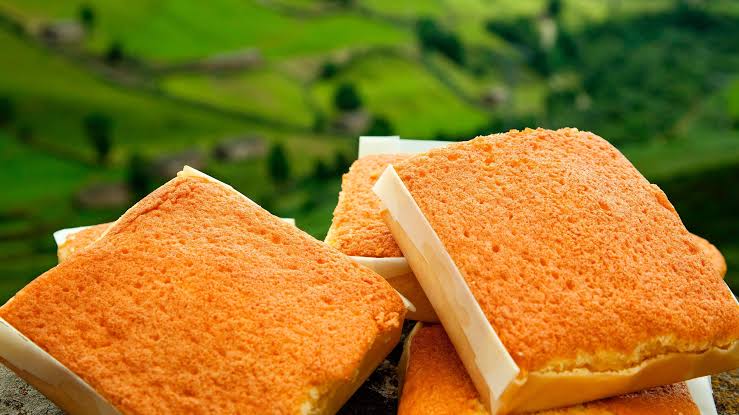
Sobaos and quesada pasiega, the pastries every home has
Sobaos and quesada share the same origin: the pasiego valleys, where the local dairy farming produces a butter and cream so good you can taste it in either sweet. The sobao is a buttery sponge cake, traditionally wrapped in baking paper, with a dense, moist crumb unlike any other sponge cake in northern Spain. Quesada, meanwhile, is made with milk, fresh cheese, egg and sugar — a texture somewhere between cheesecake and flan, with a lightly toasted top.
Both are sold in any bakery in the area, but it's worth checking the baking date: they're best fresh, within the first 48 hours.
Cheese and rabas, from the Pas valley to Santander's fish market
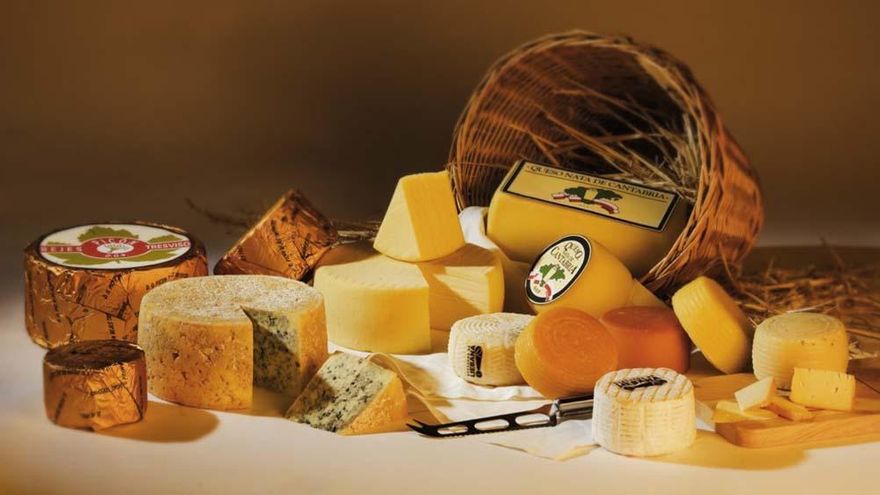
Cantabrian cheese has two very different faces. In the Vega de Pas, a mild, slightly tangy fresh cheese is made, meant to be eaten with honey or quince paste. In the Picos de Europa, on the other hand, Picón Bejes-Tresviso cheese is aged in natural caves under Protected Designation of Origin status and develops a strong character with blue veins — one of the most prized blue cheeses in northern Spain.
On the coast, tapas have their own icon: rabas, battered and fried squid rings, a Santander staple for generations. They're served in almost any bar in the city, hot and freshly made, with just a squeeze of lemon and little else — simplicity is part of the recipe.
Good to know
- Cocido montañés: served year-round, though it's more common in the cold months and on Sunday set menus
- Santoña anchovies: the bocarte fishing season runs from April to July, but the canned product is sold all year
- Sobaos and quesada: best eaten freshly baked, within the first 48 hours
- Picón Bejes-Tresviso cheese: Protected Designation of Origin, aged in natural caves in the Picos de Europa
- Where to buy near Bareyo: bakeries and grocery shops in Ajo and Bareyo carry sobaos, quesada and local cheese; for factory-fresh anchovies, Santoña is 20 minutes away
"Santoña's anchovy doesn't get made any faster no matter how much demand there is — salt and time don't negotiate."
None of the dishes on this list need a table with a long tablecloth to be enjoyed — cocido is served in a clay pot and rabas are eaten standing up, with your fingers. It's probably the most honest way to understand this land: through what's eaten in it.
Bareyo Residences sits at the heart of this Cantabrian pantry, minutes from Santoña and the pasiego valleys. The villas will be available to book from September 2027.