The best places to see stars in Cantabria are the Santoña Marshes, Langre beach, the Costa Quebrada Geopark, the Pasiego Valleys, the Valderredible Astronomical Observatory and Fuente Dé. They're all less than two hours from Bareyo, with skies largely free of light pollution, and August's Perseids as the best time to go.
Seeing the stars in Cantabria is easier than it sounds: away from the urban sprawl around Santander bay, much of the region still enjoys nights free of light pollution, and August is the best month to see for yourself. In 2026 the sky throws in an extra treat: the Perseids peak, also known as the Tears of St. Lawrence, falls in the early hours of August 12-13, coinciding with a new moon, so there'll be no moonlight to wash out the show. That same day, in the afternoon, mainland Spain will witness a total solar eclipse, the first visible from Spain in over a century.
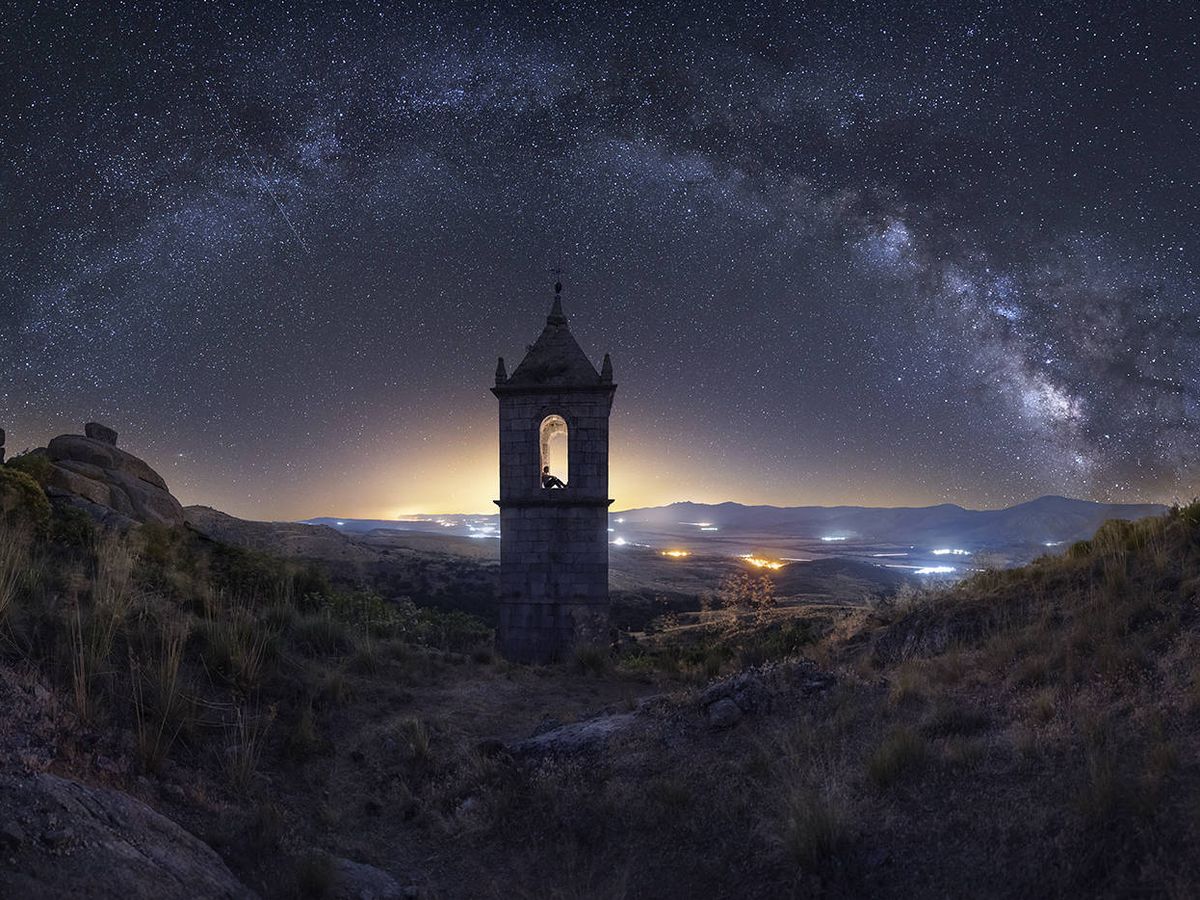
For this selection we combined two criteria: places with genuinely dark skies, verified by observatories and protected areas, and options you can reach without planning a full expedition from Bareyo. The result mixes marshes and cliffs less than half an hour from the coast with inland destinations that are darker but further away, for anyone happy to spend the night away from home. Either way, it's worth bringing warm clothing even in summer, a blanket or folding chair, and checking the cloud forecast before heading out: on the Cantabrian coast, night fog can roll in with barely any warning.
Santoña Marshes
The Santoña, Victoria and Joyel Marshes Natural Park is the closest option to Bareyo and, as a protected area, one of the few stretches of the eastern coast that remains undeveloped and so has hardly any streetlights. Its 6,678 hectares of estuary, between Santoña, Argoños and Escalante, offer wide-open horizons over the water, perfect for watching low constellations rise as soon as night falls. By day it's home to more than 130 bird species; by night, the silence and absence of artificial light make it the first spot to try if you only have an hour free after dinner.
Langre Beach and the Ribamontán al Mar Cliffs
Less than half an hour from Bareyo, Langre combines two beaches separated by a rocky outcrop and sheltered by an amphitheater of cliffs up to 25 meters high, which blocks much of the glow coming from Santander. You'll need to go down the 113 steps connecting the car park to the sand, so bring a headlamp and take care on the way down at night. In return, the north-facing orientation gives an unobstructed sea horizon, perfect for following a meteor's trail from end to end without any hill cutting it short.
Costa Quebrada Geopark
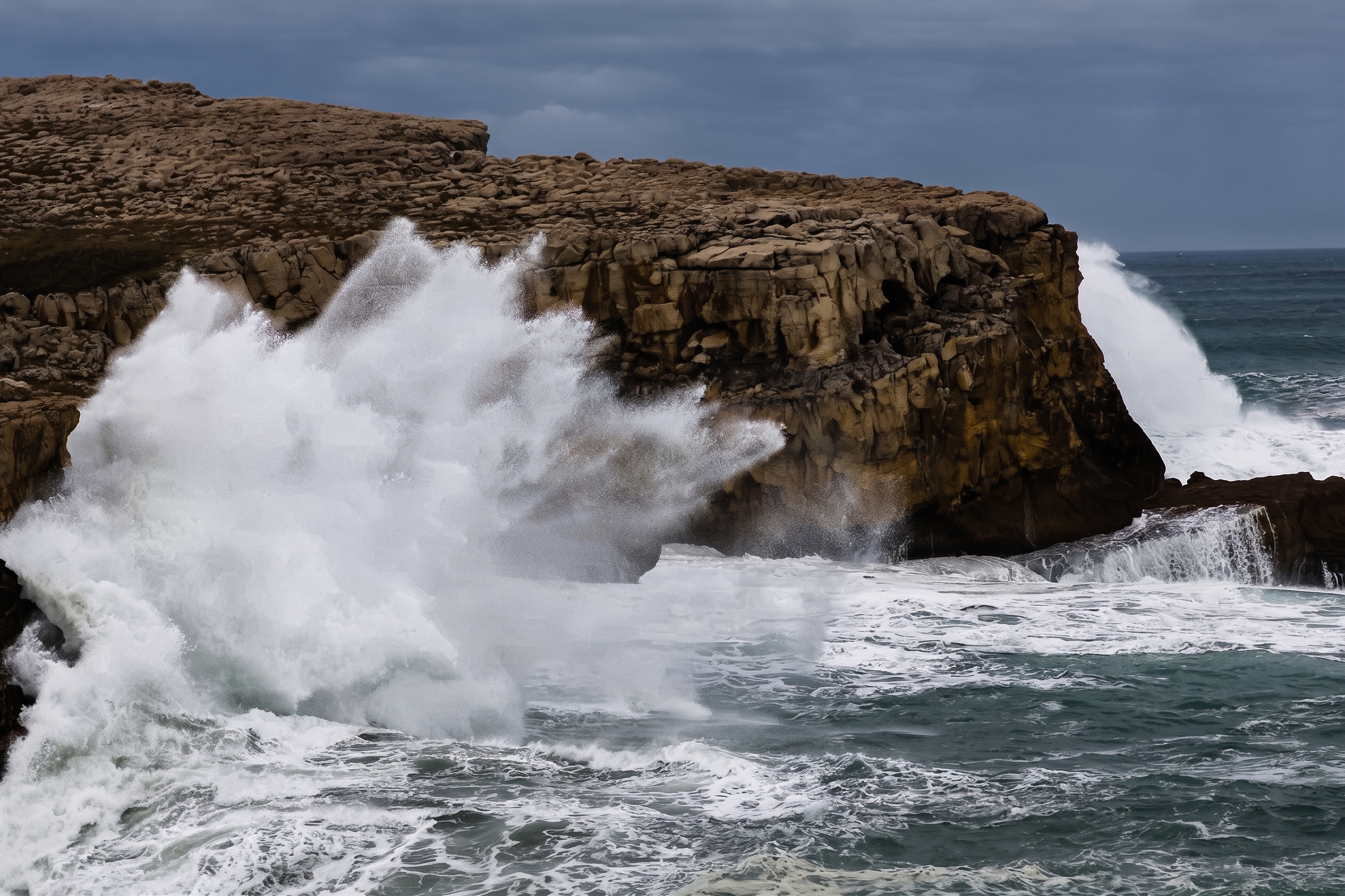
The Costa Quebrada Geopark, between Liencres and Soto de la Marina, holds Unesco status for its geology, but outside peak season it's also one of the quietest stretches of coast at night near Santander. The rock stacks ("urros") facing Liencres beach, already photogenic by day, turn into perfect silhouettes for framing the sky in a long-exposure shot. It's about 40 minutes from Bareyo, so it works well as a stopover on a night route inland, or as a short outing if you don't want to stray too far from the coast.
The Pasiego Valleys
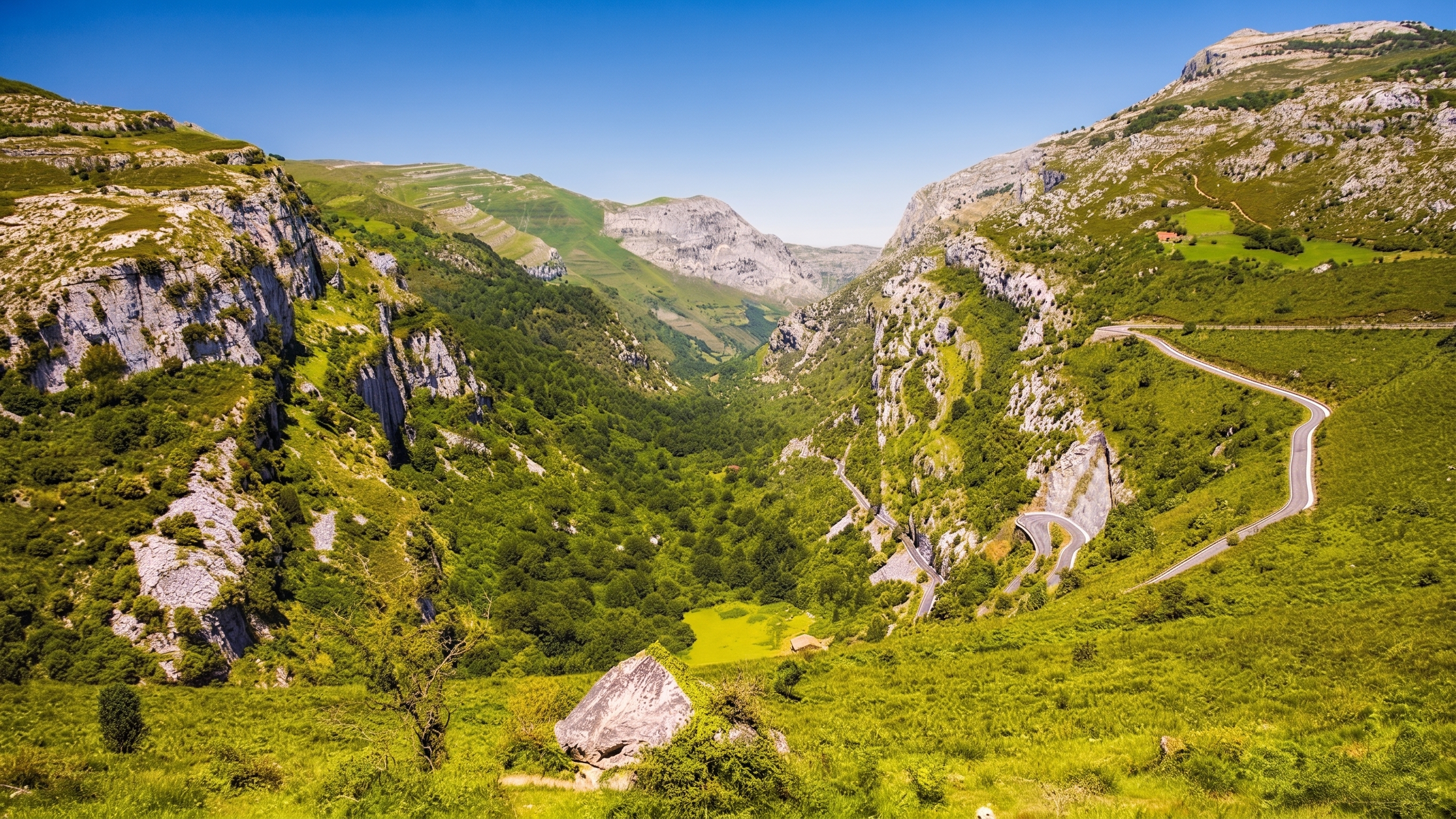
Vega de Pas, San Roque de Riomiera and San Pedro del Romeral have seen barely any urban growth for generations, and it shows at night: the Pasiego Valleys basin is practically free of light pollution once you leave each village center behind. It's a good hour from Bareyo along mountain roads, so it's not a plan for a spontaneous evening, but the payoff is a sky noticeably darker than the coast's, with the Milky Way visible to the naked eye on moonless nights. Any mountain pass or meadow on the outskirts of the villages will do; just park properly and stay off private land.
Cantabria Astronomical Observatory (Valderredible)
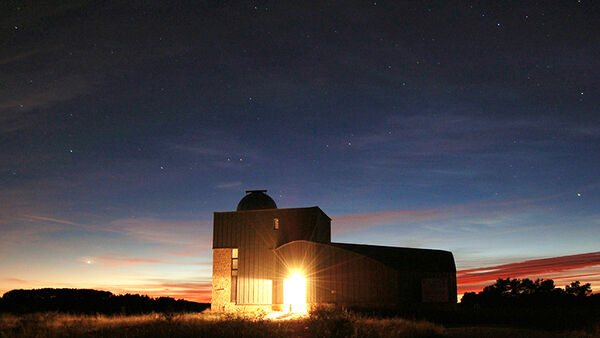
The only spot on this list designed specifically for stargazing is the Cantabria Astronomical Observatory, on the La Lora plateau within Valderredible, at 1,080 meters above sea level and about two hours from Bareyo. The Cantabria Astronomical Association runs regular night sessions there, and this summer has scheduled two special Perseids sessions, on Friday 9 and Saturday 10 August, from 11pm to 1am, with telescopes and guides explaining what you're looking at. It's the least spontaneous option on the list: it's worth booking a spot in advance, as sessions fill up.
Fuente Dé and the Picos de Europa
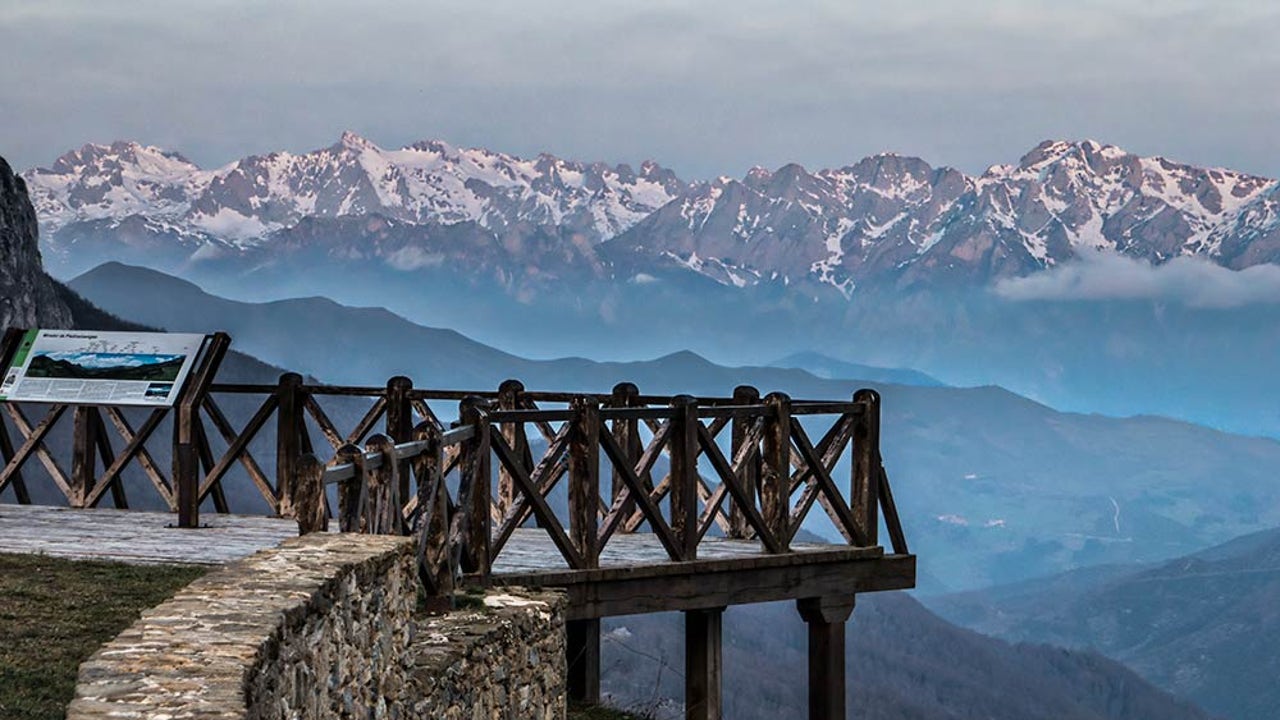
If your plan includes spending the night away from Bareyo, the area around Fuente Dé, in Liébana, is the option with the darkest sky in all of Cantabria: deep valleys, hardly any towns, and the bulk of the Picos de Europa blocking out any distant glow. The upper cable car station, at 1,823 meters, closes at night, but the meadows by the lower car park already offer a spectacular mountain horizon without needing to go up. It's the furthest option from the coast, more than two hours from Bareyo, so it makes more sense paired with a night in Potes than a single-day trip.
What You Need to Know
- To see the stars in Cantabria, the best date in 2026 is the early morning of August 12-13, the Perseids peak, with a new moon and hardly any moonlight to interfere.
- The Cantabria Astronomical Observatory runs special sessions on 9 and 10 August, from 11pm to 1am; it's worth booking a spot in advance.
- Let at least 20-30 minutes pass with your eyes away from screens and lights before your vision adapts to the dark.
- Check the cloud forecast the same afternoon: on the Cantabrian coast, summer night fog can roll in within a few hours.
- Bring warm clothing: even if it's hot during the day, August nights cool down fast in Cantabria, especially at altitude.
- Avoid using your phone or white flashlights near other people observing; a dim red light bothers eyes already adapted to darkness far less.
You don't need a telescope or any astronomy know-how: just a dark sky, patience, and twenty minutes without looking at your phone.
Bareyo is far enough from the lights of Santander that, on a clear night, you can already tell the difference from your own garden. If you'd also like to round off the night with other views, check out our guide to the best viewpoints near Bareyo, several of which are just as good at night as at sunset. And if you'd rather stay close to home on 12 August, the terraces of Villa Camino and Villa Monte, opening in September 2027, are already oriented to let you follow the Perseids without leaving the porch.