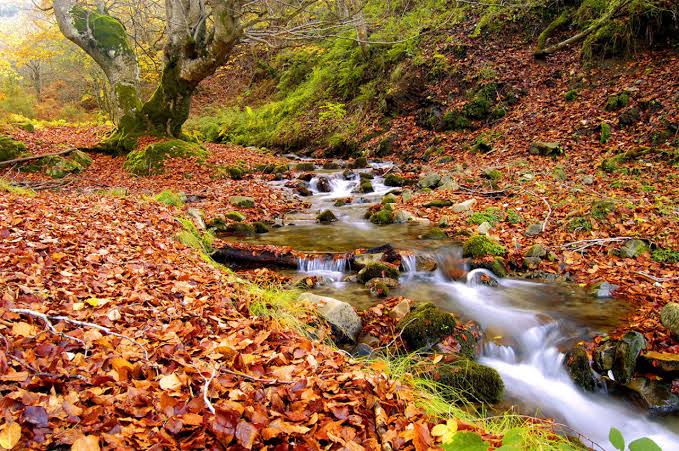
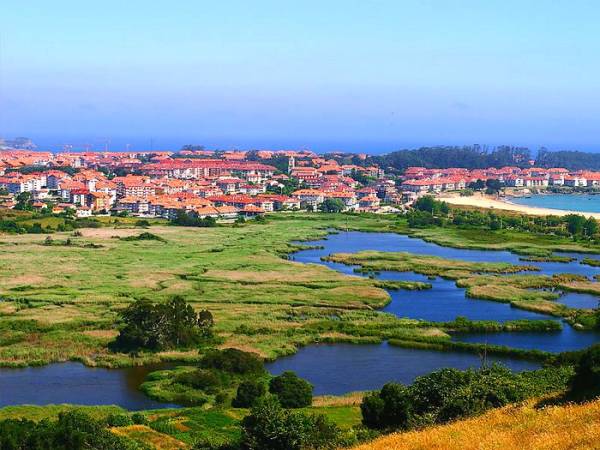
Living like a local in Cantabria means skipping the guidebooks: shopping at Santander's Mercado del Este, eating cocido at a family-run bar in Güemes, walking out to an islet at low tide in Covachos, wandering Liérganes instead of Santillana, and knowing that bolos is still the Sunday afternoon plan.
Tourist guides always repeat the same eight or ten names: Santillana del Mar, Comillas, the Cabo Mayor lighthouse. They're all worth a visit, but they're not the everyday reality for someone living in Cantabria. Down here, in Bareyo and the villages around it, life runs on different landmarks: a 19th-century market where people still buy fresh fish, a bar with no flashy sign where the cocido hasn't changed in forty years, and a beach that only exists for a couple of hours a day.
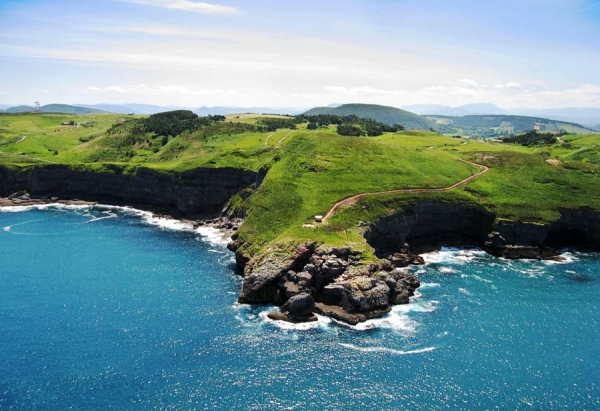
This isn't a list of hard-to-find secrets or spots you need a treasure map to reach. It's simply how someone who lives here year-round organizes their free time: knowing which day the market runs, which bar to hit when cooking isn't happening, and which tide table to check before leaving the house.
A Saturday at the Mercado del Este
Santander's Mercado del Este was built in 1842 to bring the whole city's meat, fish, and produce under one roof, and it's been a listed heritage site since 1986. Today the original use — fresh produce stalls — shares space with bars and restaurants, but the Saturday morning ritual hasn't changed: get there early, buy whatever's in season, and end up having a drink at one of the bars. Forty minutes from Bareyo, it's the perfect excuse to combine grocery shopping with a walk through Santander's old town.
Where We Eat When the Tourists Aren't Around
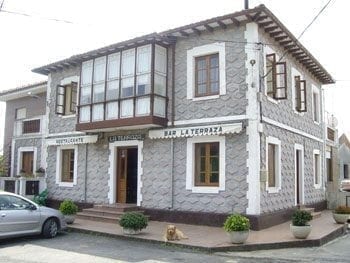
In Güemes, ten minutes from Bareyo, Bar Restaurante La Terraza has been serving cocido montañés and kid stew out of the same family-run spot for more than forty years. There's no postcard façade, no menu in five languages — just a menu that barely changes, generous portions, and regulars who've been coming back for decades. It's literally where we go when we want a proper stew without leaving town.
The Beach That Only Appears at Low Tide
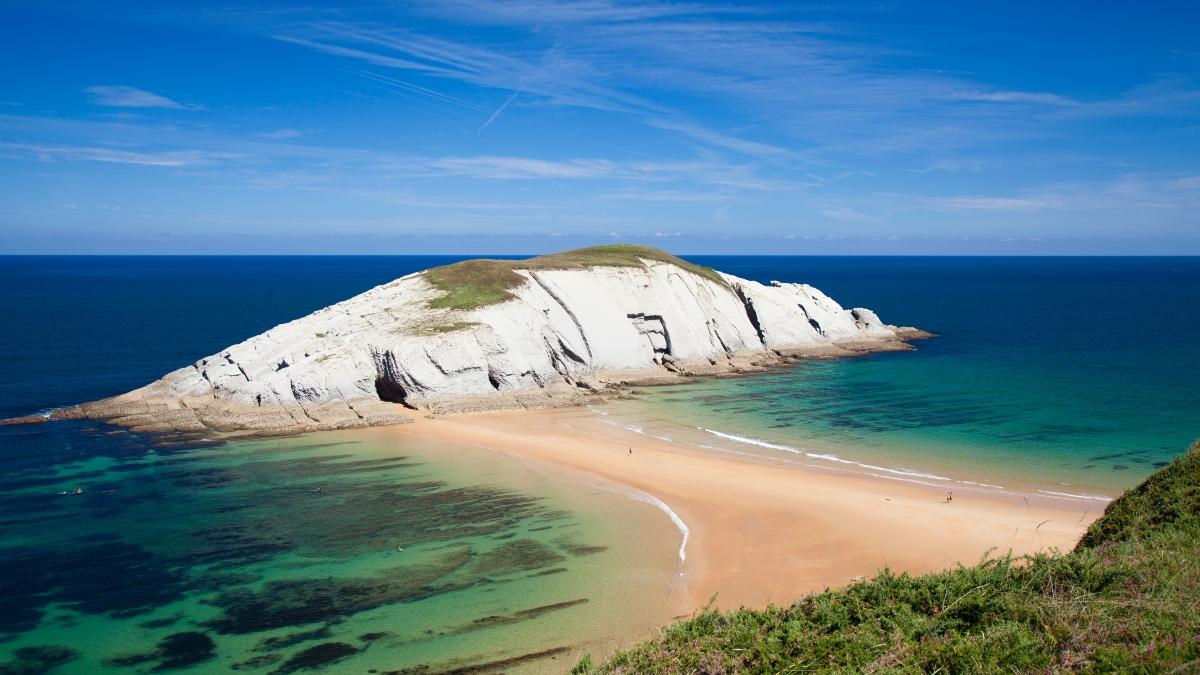
Less than half an hour from Bareyo, Covachos beach only comes together when the tide drops far enough: a sandbar then connects the coast to Isla del Castro, a roughly three-hectare islet you can walk out to. At high tide, the path vanishes underwater and not a grain of sand is left showing. Anyone who knows the area doesn't show up without checking the tide table first — getting there two hours before low tide is the difference between crossing at ease and missing your chance. If you're not sure how to read one, we've put together a complete guide to tides on Cantabria's beaches that answers the most common questions before you plan your visit.
Liérganes, the Village We Prefer to Santillana
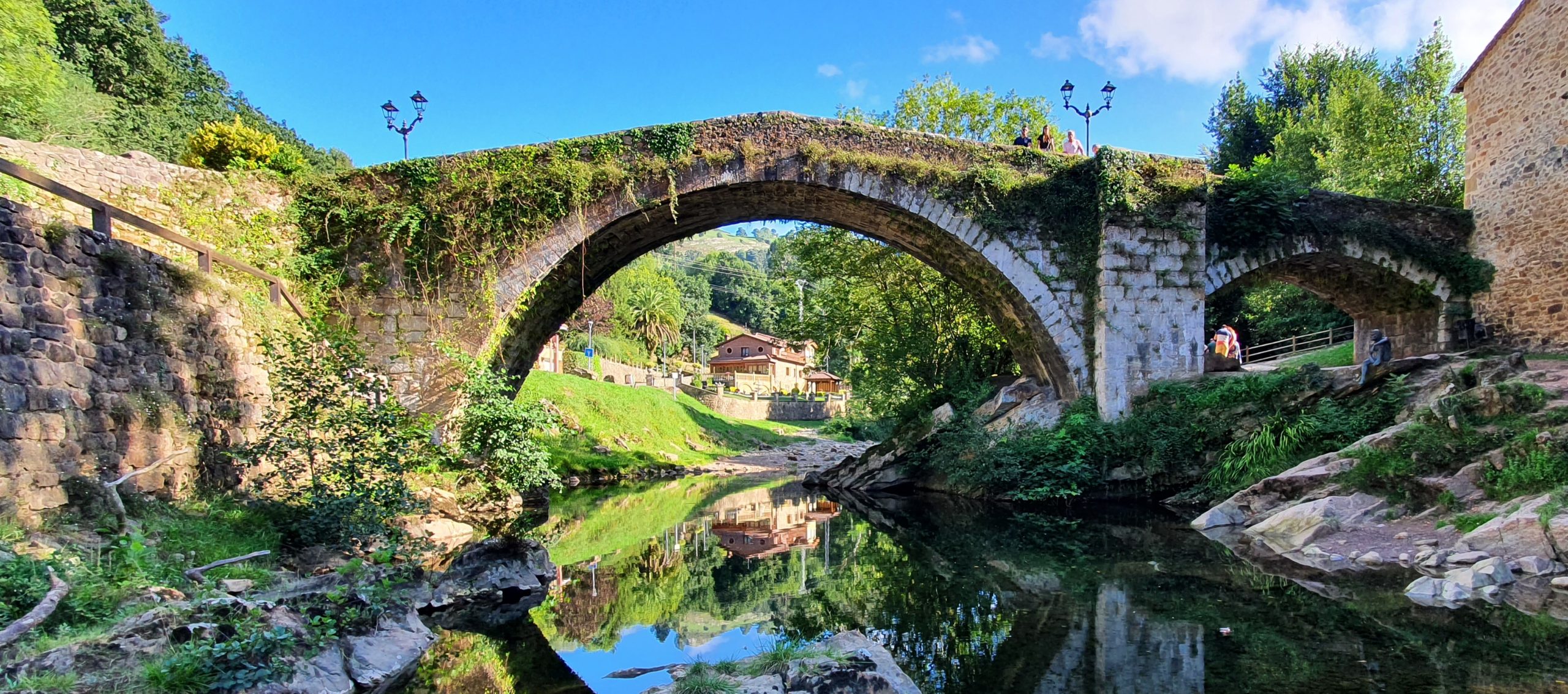
Liérganes is about 35 minutes from Bareyo, in the Miera valley, and it has everything the guidebooks look for — grand indiano mansions, a 17th-century bridge, the legend of the Fish Man — without the tour bus convoys of Santillana del Mar. You can walk the whole village in twenty minutes: the Casa de los Cañones on the main square, the Puente Mayor over the Río Miera, and the small interpretation center dedicated to the legend, set in an old mill by the water. It shows up on several lists of Spain's prettiest villages, but on weekdays you can walk it in near silence.
Bolos, the Tradition That's Still Standing
On any summer afternoon, in the covered bowling lanes of the villages around Bareyo, someone is playing bolo palma: a game dating back to the 16th century, played with a wooden ball with no finger holes, held in the palm of the hand. It's not a tourist reenactment — it's a sport still played during the week and especially during the local patron saint festivals, when the lanes fill up with local crowds. If you happen upon a match, it's worth stopping to watch: the silence before each throw says as much as the game itself.
What You Need to Know
- The Mercado del Este is open Monday to Saturday; Saturday morning is when it's liveliest.
- At Bar Restaurante La Terraza (Güemes), call ahead during high season — there isn't always a table free for walk-ins.
- To cross to Isla del Castro at Covachos, check the tide table and arrive at least two hours before low tide; at high tide the path is completely covered.
- Liérganes can be walked in under an hour; the parking by the Puente Mayor fills up on summer weekends.
Living in Cantabria like a local isn't about collecting guidebook spots — it's knowing which day the market runs and what time the tide goes out.
This is, more or less, the Cantabria that those of us living between Bareyo and the surrounding villages find day to day: unhurried, with the sea close by, and no competing for a parking spot. It's also the life we've designed at Bareyo Residences, built for people who want to stay, not just visit, with the first homes available from September 2027.