There's no bad time to come to Cantabria, but there is a better time depending on what you're after: summer has the longest days and the big festivals, autumn brings the best seafood and waterfalls at their fullest, winter empties the beaches and fills the Picos with snow, and spring delivers the most intense green of the year. This guide pulls together everything we already know about each season, from beaches to food, to help you choose.
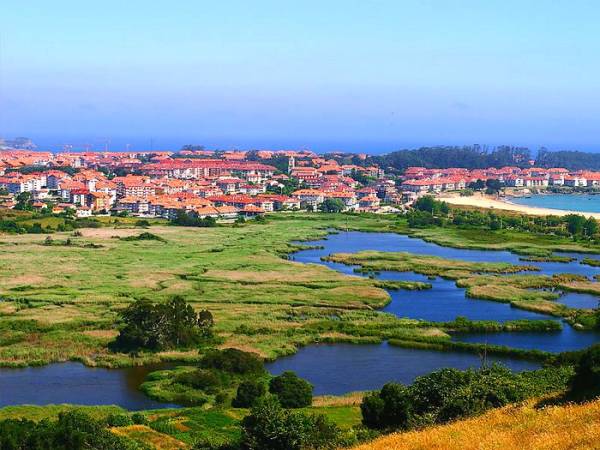
Cantabria doesn't have a single best time to visit — it has four distinct seasons, each one its own version of the region. The Atlantic climate keeps summer here mild — it rarely tops 25-28°C on the coast, and some summers never even hit 30°C all month — and keeps the rest of the year temperate too, without the extremes you get inland in Spain. That mildness comes at a price: rain shows up at some point in almost every month of the year, so packing a light jacket or rain shell, even in the middle of August, is never a bad idea. What that means is the real question isn't "when's the weather best?" but "what do you want to happen while you're here?" Someone after atmosphere and big festivals shouldn't come on the same dates as someone after empty beaches and quiet, even though, deep down, both are asking the same thing: when to visit Cantabria. The right answer depends on which question you're actually asking.
This guide doesn't repeat what we've already said elsewhere on the site about each season — that the best seafood is in autumn-winter, that waterfalls are at their peak after rain, that rafting has more flow in spring. Here we bring all those loose pieces together into a single map of the year, with the festivals that mark each season and links to the guides where we already go deeper on each topic. In a way, it's the most cross-cutting pillar page we have: it touches beaches, food, and nature all at once, but from the angle of the calendar instead of the angle of the activity.
Summer (June to September): long days and big festivals
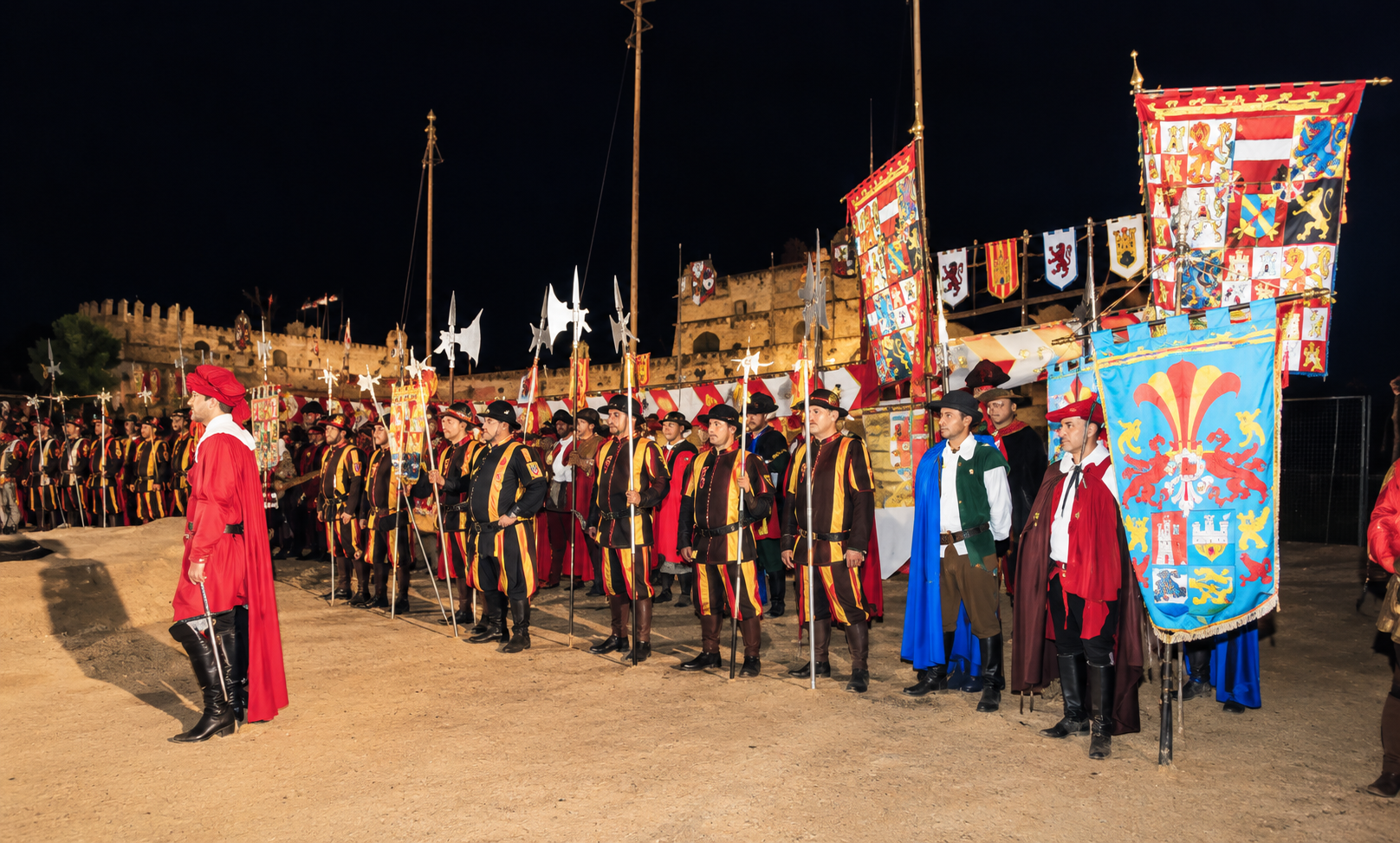
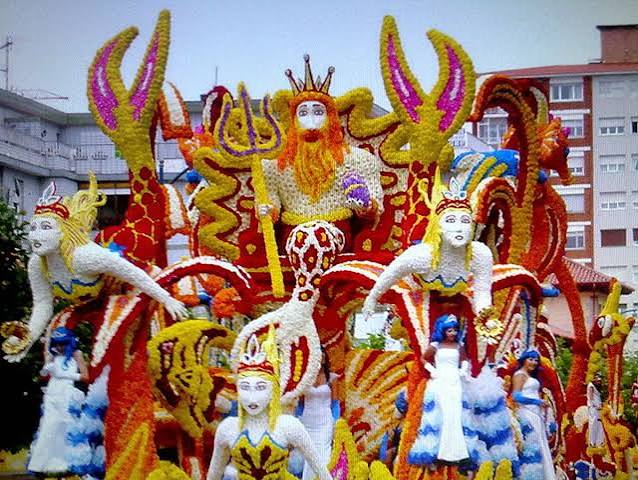
Cantabrian summers surprise people coming from other parts of Spain: it's rarely scorching hot, the sea hovers around 20-21°C even in August, and evenings usually call for something long-sleeved, even after a full day of sun. It's exactly the kind of summer sought out by anyone escaping the extreme heat of inland Spain or the south, and one of the reasons more and more visitors from Madrid and central Spain show up here every August. July and August also concentrate most of the region's open-air music festivals, with concerts in Santander and other coastal towns filling many summer nights, plenty of them free and outdoors. It's by far the season with the most going on: July and August pack in the region's biggest festivals, from Santander's Semana Grande in late July, with fireworks and giant-headed figures, to El Coso Blanco in Castro Urdiales, with its flower-covered float parade, or Laredo's Batalla de Flores (Battle of Flowers) at the end of August. El Día de Cantabria, in Cabezón de la Sal on the second Sunday of August, is the most recognized celebration of Cantabrian tradition of them all, with traditional music, Cantabrian bowling championships, ox-pulling contests, and a livestock market straight out of the agricultural fairs of decades past. And straddling August and September, Las Guerras Cántabras, in Los Corrales de Buelna, re-enact the Roman conquest of Cantabria with hundreds of participants — it's the only festival in the region declared of International Tourist Interest, and probably the most crowded event on the entire Cantabrian calendar outside of Santander's summer festivities, with battle re-enactments through the town's streets all weekend long.
The trade-off is that August in particular can clog roads, beaches, and restaurants in the region's best-known spots — something visitors from elsewhere don't always expect from an Atlantic coast destination. It's also, naturally, the busiest season. We already have two guides built to deal with exactly that: how to avoid the summer crowds and what the weather is really like, with real temperature data and comparisons against southern Spain, for anyone torn between coming here or heading down to the Mediterranean in August. Spoiler: if what you're after is escaping the heat without giving up the beach, Cantabria wins that comparison almost every year.
Autumn (September to November): the best table of the year
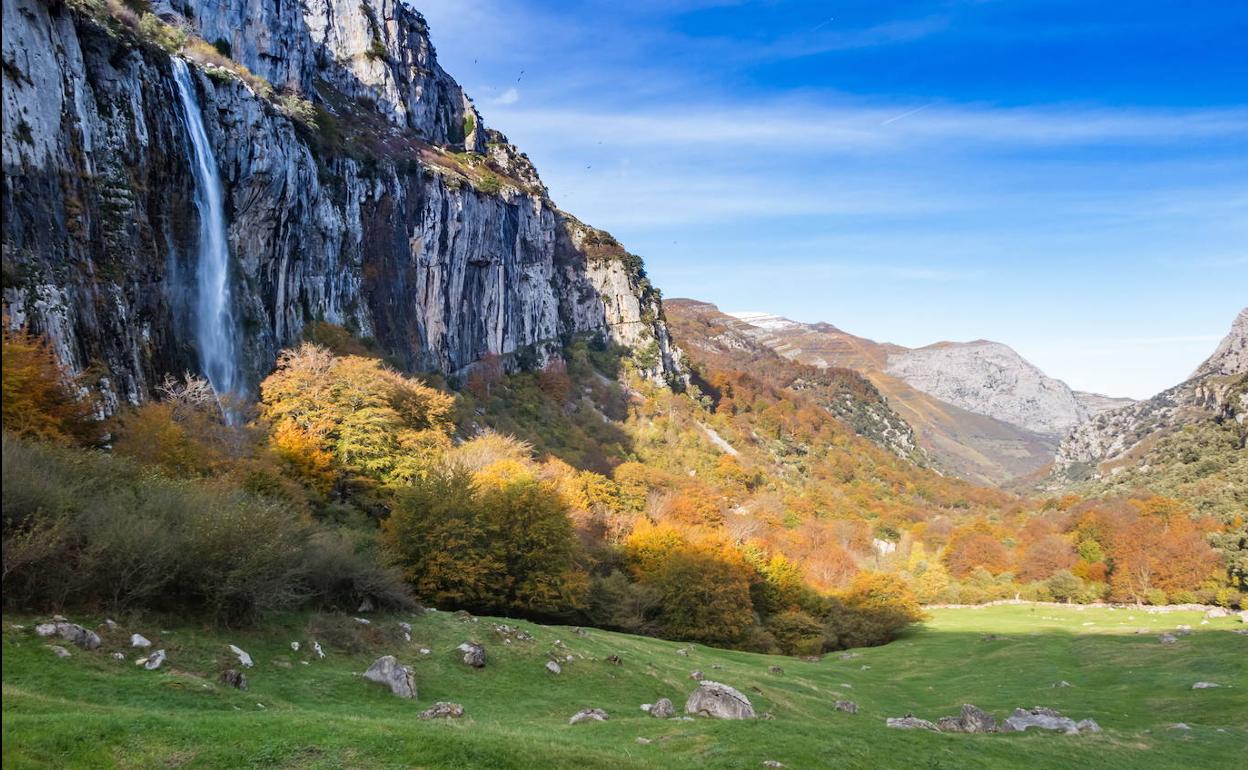
For many who already know Cantabria, September is the perfect month: the summer atmosphere hasn't fully faded yet, the water's still pleasant enough to swim in, but the beaches and roads have already emptied out. It's also when most of the inland villages' patron saint festivals wrap up, running all through September in towns like Reinosa, with its Día de Campoo closing out the San Mateo festivities with a parade of decorated ox-drawn carts. October brings the color change in the forests of the Pas valleys and Saja-Besaya — the beech woods in particular put on an ochre-and-red display that lasts just a few weeks and draws more and more people every year just to see it — and November is, weather-wise, the rainiest month of the year in Cantabria, worth knowing before planning a trip around the date alone, though autumn rain rarely falls non-stop: it tends to alternate dry weeks with stormy ones, rather than raining every single day in a row.
That same November rain is what fills the region's waterfalls to their most spectacular point, right when many of them had run nearly dry over summer. And on the table, autumn is flat-out the best season: spider crab and velvet crab hit their peak, and November, on top of being the rainiest month, closes out with the Fiesta del Orujo in Potes, which recreates the traditional distilling process in copper stills and draws more visitors to Liébana every year. Bonito tuna is already gone by then — its season ends in October — but the rest of Cantabria's pantry is at its best: aged cheeses, Liébana beans, and all the rock-dwelling shellfish that's scarce in summer. It's, without exaggeration, the season we'd recommend to anyone who cares more about eating well than lying on the beach.
Winter (December to March): empty beaches and snow in the Picos
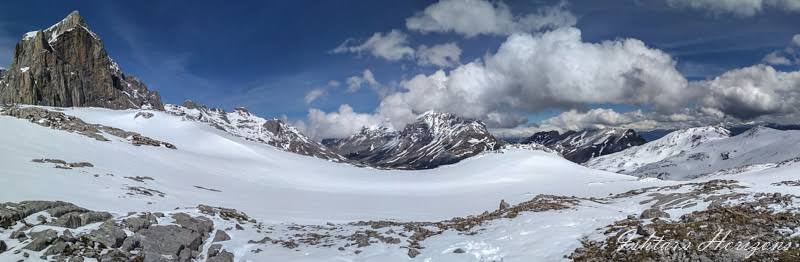
Winter on the Cantabrian coast is much milder than anyone unfamiliar with the region imagines, especially compared to the rest of northern Spain: the average sits around 10°C and rarely drops below 0°C, though the interior is a different story — Reinosa, in the south, has a winter average of just 4°C, and frost is common in the high valleys, with lows that on the coldest days can drop below -6°C. That contrast, just an hour's drive apart, between the mild coast and the snowy mountains, is one of the things that surprises first-time visitors the most: you can have breakfast by the sea without a coat and eat lunch surrounded by snow in Fuente Dé the same day.
It's the season with the fewest tourists, with beaches practically to yourselves — something anyone who's experienced Cantabria in the middle of August especially appreciates the first time they see it in January — and also the one with the most distinctive festival calendar, with celebrations unlike anything seen the rest of the year: La Vijanera, in Silió, on the first Sunday of January, is considered the first winter carnival in all of Europe, with brightly colored masks, characters representing the fight between good and evil, and a spectacle unlike anything else in the region, or, according to the people who organize it, anywhere else in Europe. The Cabalgata de Reyes (Three Kings parade) in Santillana del Mar on January 5th, and the Christmas season in general, give winter a very different feel from the rest of the year: small towns with Christmas markets, lights strung through stone old towns, and a much slower pace than August, ideal for anyone who prefers quiet holidays over crowded ones. On the table, it's cocido and roast sea bream season, especially at Christmas dinners, when oven-roasted sea bream with sliced potatoes becomes the star dish on most Cantabrian tables.
If skiing's the plan, the Picos de Europa usually have skiable snow between December and March, though it's worth checking mountain road conditions before heading up on the worst-weather days. It's no Alps or Sierra Nevada, but for anyone after a day of snow without traveling far from the coast, it more than does the job — and being back asleep by the sea that same night, with no snow in sight, is part of the appeal.
Spring (March to June): the deepest green and May's secret
Cantabrian spring is the season of contrasts, maybe the most unpredictable one on the calendar: the same day can start foggy, turn sunny, and end in a downpour, all while the landscape turns the most intense green of the year thanks to April's rain, the second rainfall peak after November. It's the season when the Pas valleys and the Saja-Besaya meadows show off their brightest color, before July's heat dries them out a bit. It's also when many of the beachside terraces and beach bars that stay shut in winter start opening up, so the coast gradually gets its buzz back without hitting summer's saturation point. It's also the season when the rivers run strongest, so if rafting or canyoning is on the agenda, spring is when the flow is at its best.
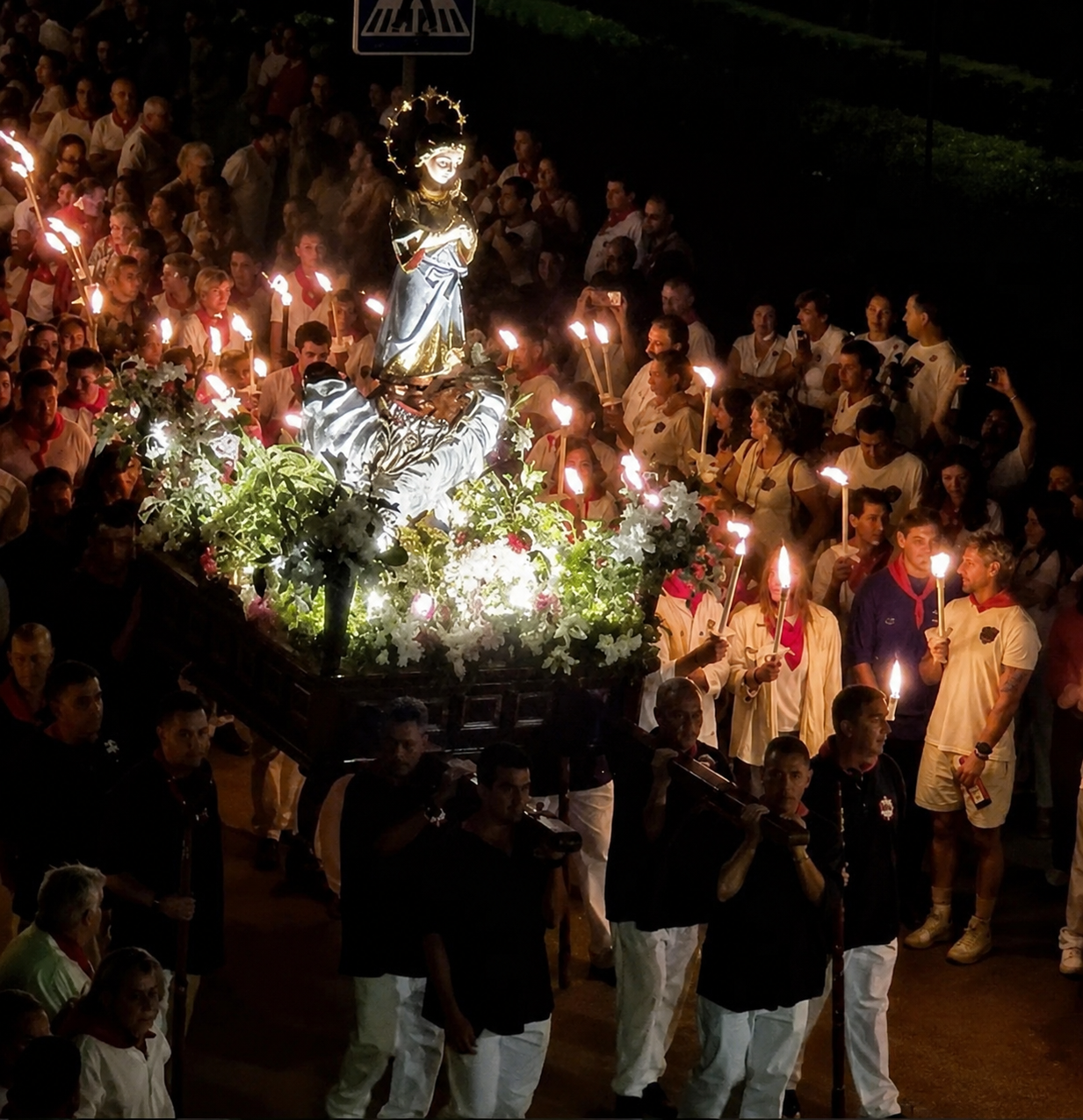
March or April bring Holy Week, with processions in Santander — up to fourteen different ones over the week — and across much of the region's towns, each with its own centuries-old brotherhoods, floats, and religious imagery, and Santoña's Carnival, known as the Carnaval del Norte (Carnival of the North), takes place around forty days before Holy Thursday, with a seafaring atmosphere very different from other carnivals in Spain — costumed groups, outfits, and a parade that winds through the fishing harbor instead of a big city avenue.
And between late May and the first two weeks of June, once April's heaviest rain has passed but before July's crowds arrive, hides what we consider the best-kept secret on the Cantabrian calendar: you can already enjoy the water without suffering too much from the cold, the days are long, and even the best-known beaches don't see the crowds of July and August. If your dates are flexible, those weeks offer the best balance of good weather and calm all year — it's actually the same advice we give in our beach guide for anyone who wants to dodge the crowds without giving up good weather. If we had to pick just two weeks of the year to recommend to an undecided friend, these would be them, without hesitation.
There's no single best time to come to Cantabria. There's a best time for whatever you want to do here, and that's exactly the map we've just walked through.
What you need to know
Best time for each thing: beach and atmosphere, July-August; seafood and waterfalls, autumn; quiet and lower prices, winter; rafting and green scenery, spring; the secret of light crowds with good weather, late May and the first weeks of June.
Festivals of National Tourist Interest: La Vijanera (Silió, January), El Coso Blanco (Castro Urdiales, July), Día de Cantabria (Cabezón de la Sal, August), Las Guerras Cántabras (Los Corrales de Buelna, August-September, the only one of International Tourist Interest), Fiesta del Orujo (Potes, November).
Rain: the rainiest months are November and April; July and August are by far the driest, though no month of the year is completely rain-free.
Bookings: in July and August, essential weeks ahead, both accommodation and restaurants; the rest of the year, a few days' notice is usually enough except on the weekends of the big festivals, like El Coso Blanco or Día de Cantabria, when the whole town fills up with outside visitors.
Water temperature: warmest between July and September (19-21°C); cold the rest of the year, with a wetsuit recommended from October to May for water activities.
With kids: summer is the easiest option for daylight hours and organized activities, but spring and early autumn have the advantage of fewer crowds at the most popular attractions, like Cabárceno.
Long weekends: the May and December long weekends and Holy Week bring a surge in accommodation demand in a short window — if you're coming on one of those dates, book further ahead than you would for an ordinary weekend.
Daylight hours: in June, the sun sets after 10:00 PM, giving you very long afternoons to make the most of the beach and activities; in December, it gets dark before 6:00 PM.
You don't need to wait for any particular date for a trip to Cantabria to go well. Every season has its own version of the region, and our take, the one we watch come and go every year from Bareyo, is that none of them is truly a low season — what changes is simply what you come here to find. A rainy November with waterfalls at full power and seafood in season has just as much to offer as a packed August beach with fireworks — they just offer different things, and both are equally valid depending on what you want out of a vacation.
If you had to pick just one visit, our honest recommendation, the one we'd give a friend, would be late May or the first two weeks of June: good weather already settled in, very few crowds, and all of Cantabria still there to discover without August's lines. But there's no single answer, and that's exactly the point of this guide: giving you enough real information to decide for yourselves, instead of following generic advice that ignores what actually matters to you on a trip.
Bareyo Residences is available to book from September 2027, any time of year — and if you're asking us what the best month is to come for the first time, well, now you know the answer.