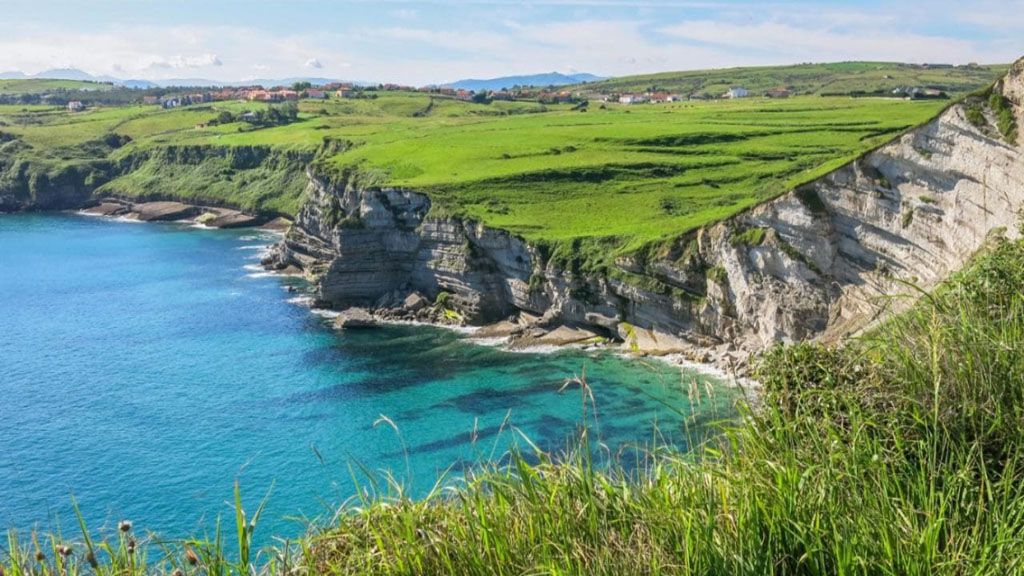
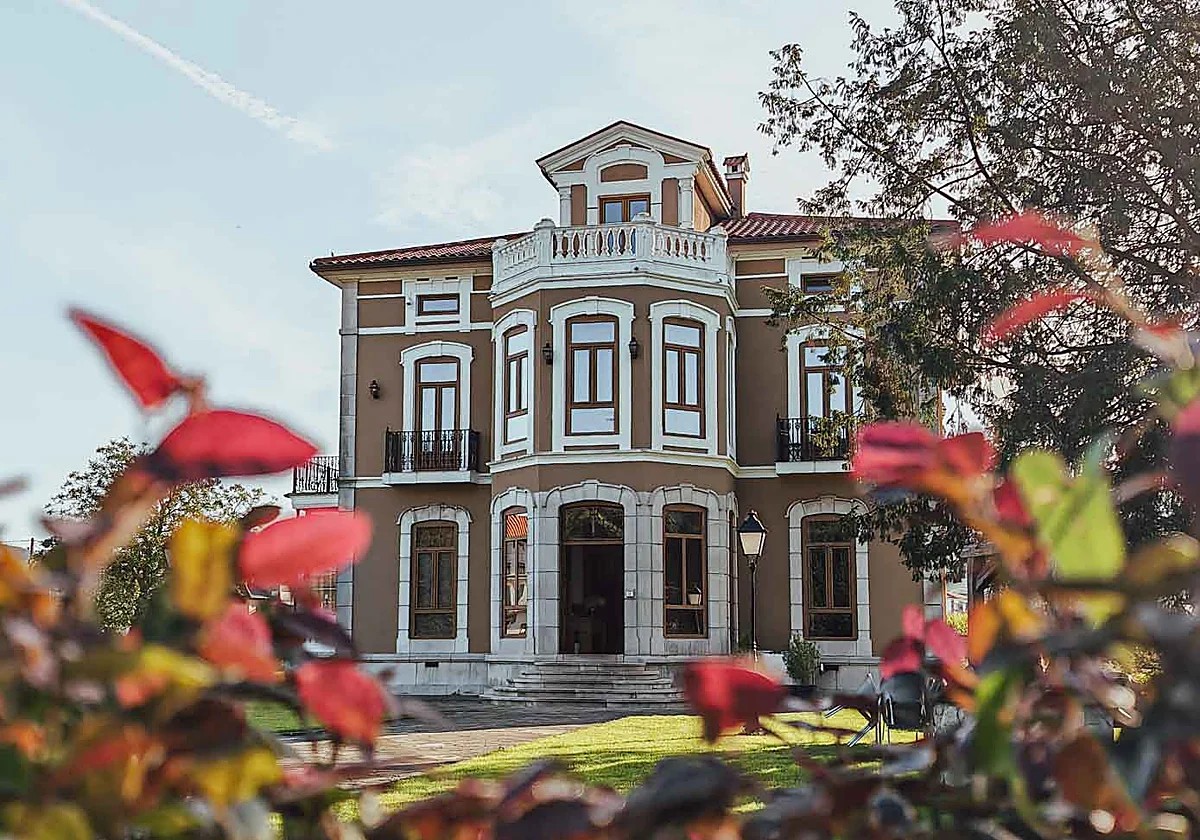
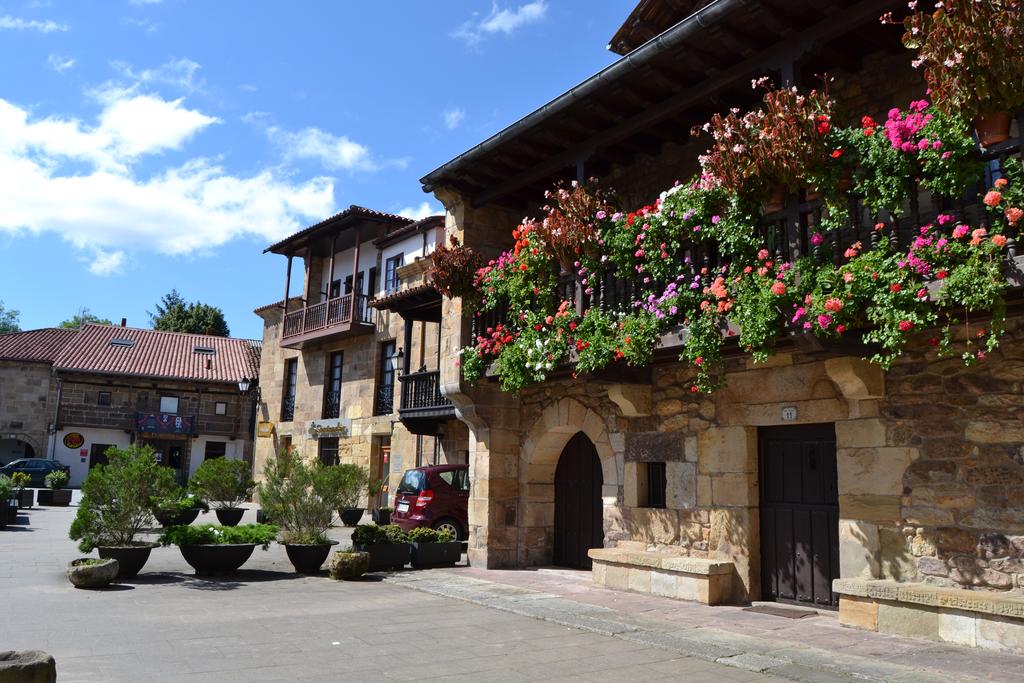
The French Way is world-famous. The Northern Way has something better: authenticity. Fewer pilgrims, more scenery, the Cantabrian Sea always close by. And it runs straight through Bareyo.
What is the Camino del Norte
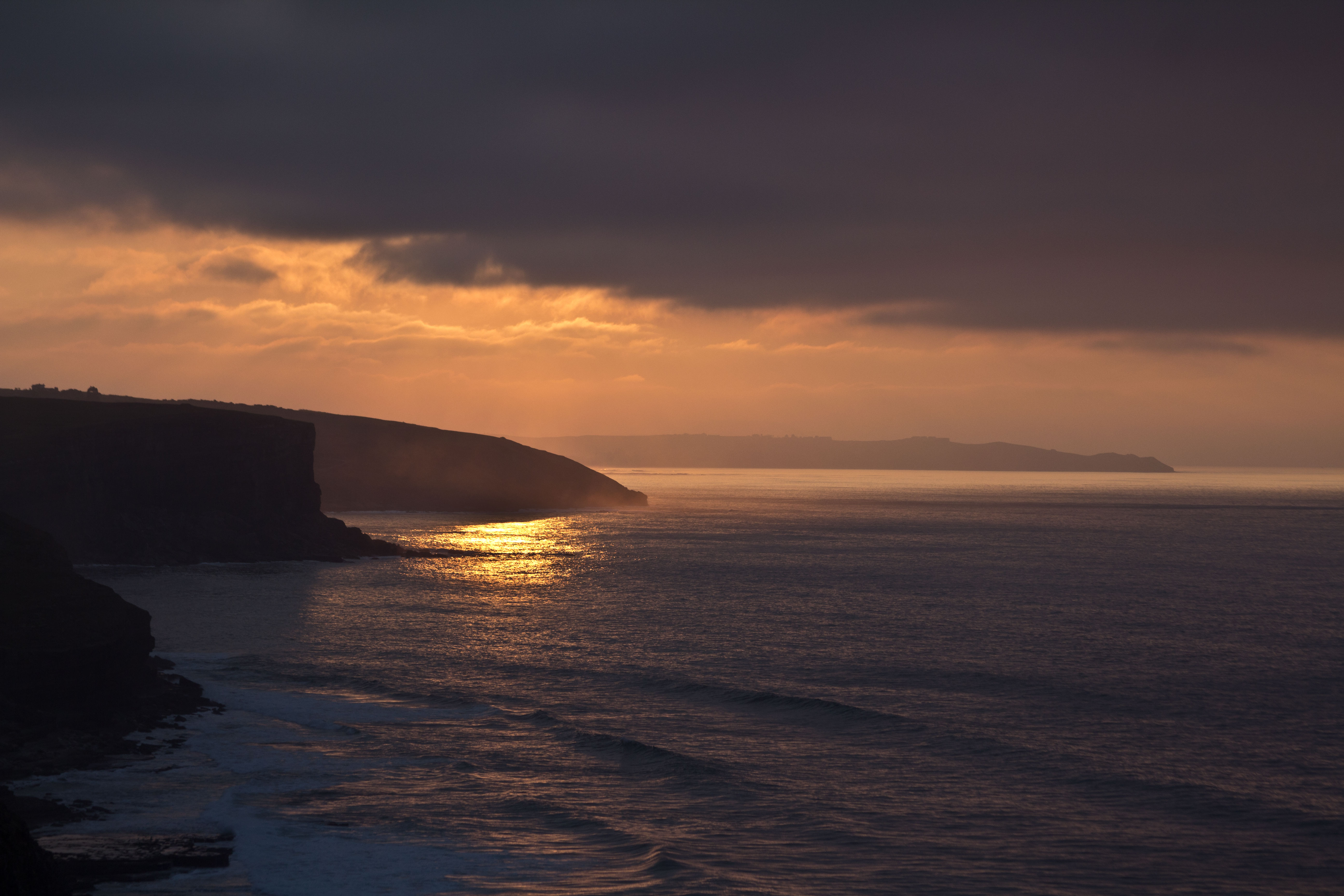
The Camino del Norte, also known as the Coastal Way, is one of the oldest documented pilgrim routes to Santiago. Declared a UNESCO World Heritage Site in 2015, it runs more than 820 kilometres from Irún to Santiago de Compostela, hugging the Cantabrian coastline the whole way.
In Cantabria, the route covers around 170 kilometres over 7-8 stages, passing through Castro Urdiales, Laredo, Santoña, Noja, Santander, Santillana del Mar and Comillas.
What sets it apart from the French Way:
- Fewer pilgrims — more quiet and nature
- Coastal and mountain scenery constantly alternating
- Genuine seafaring cuisine at every stop
- Physically tougher — constant ups and downs along the cliffs
- Favoured by northern Europeans: French, German, Dutch
The Camino del Norte on your doorstep
The Camino del Norte passes right through the municipality of Bareyo. The stage linking Noja to Santander runs along the Trasmiera coast, just a few kilometres from the villas.
That means from Bareyo Residences you can:
- Join the Camino for a day stage, no backpack required
- Welcome passing pilgrims stopping to rest
- Use the Camino as a base for coastal hiking routes
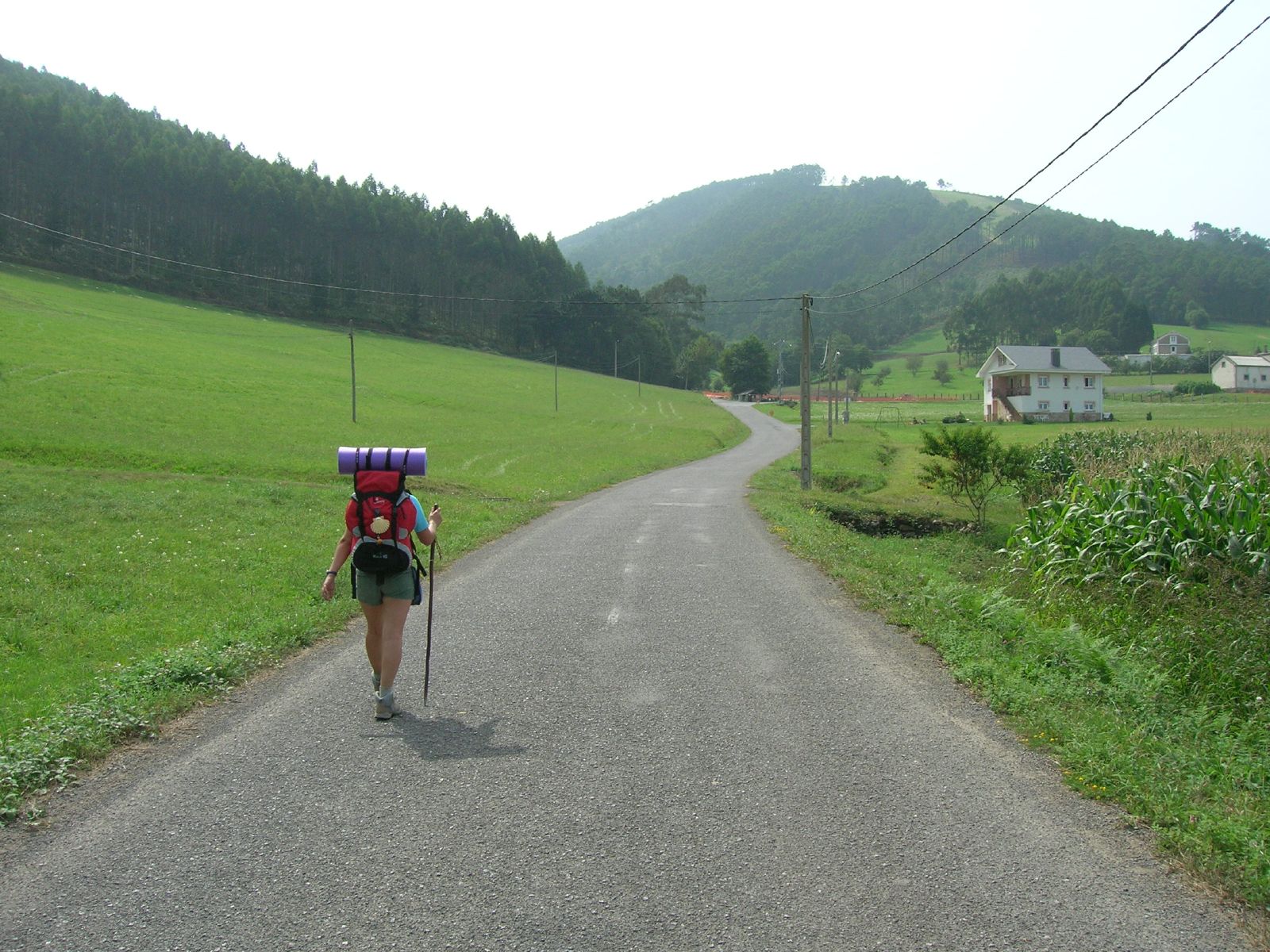
The Camino del Norte stages in Cantabria
The Cantabrian stretch is divided into 7-8 approximate stages. Every pilgrim adjusts the pace to their own fitness level.
Stage 10 — Castro Urdiales → Laredo (27 km) Paths along cliffs, woods and beaches. Landscapes of great natural value around Oriñón and Sonabia. Arrives in Laredo right by the famous Salvé beach.
Stage 11 — Laredo → Güemes (30 km) Starts with the boat crossing the bay to Santoña. Passes through the Santoña marshes, a Natural Park and bird reserve, on to Güemes, home to the most legendary albergue on the Camino del Norte.
Stage 12 — Güemes → Santander (20 km) Views over the Cantabrian Sea and Santander bay. Ends with the boat from Somo into the heart of the city.
Stage 13 — Santander → Santillana del Mar (40 km) The longest stage, which can be split over two days. Passes through Santa Cruz de Bezana and ends in Santillana del Mar, Cantabria's best-preserved medieval village.
Stage 14 — Santillana del Mar → Comillas (22 km) Runs through the heart of the Cantabrian coast. Ends in Comillas, home to Gaudí's El Capricho.
The trail — what the terrain is really like
The Camino del Norte is tougher than the French Way. The climbs and descents never let up: the rugged terrain along the Cantabrian coastline means no two kilometres are ever the same.
Difficulty: medium-high
- Total distance in Cantabria: ~170 km
- Accumulated elevation gain: significant due to the cliffside stretches
- Several weeks of prior physical preparation recommended
- Footwear: hiking boots are a must
Basic gear: Light backpack (7 kg maximum), rain jacket, trekking shoes, walking pole, sunscreen, water bottle. Rain is common at any time of year.
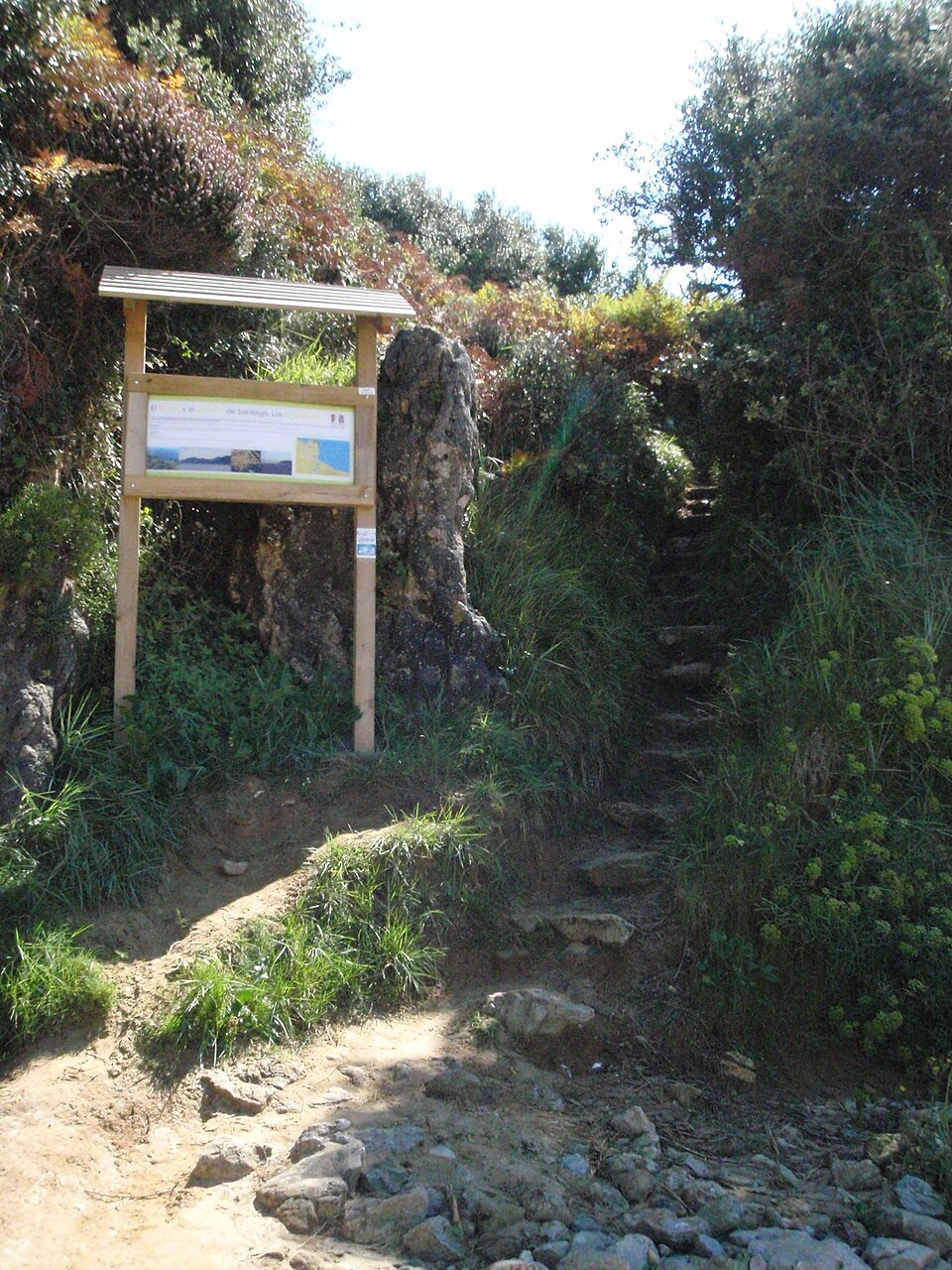
Why the Camino del Norte draws European travellers
The Camino del Norte isn't just a pilgrim route. It's the kind of experience more and more European families and groups are looking for — especially French, German and Dutch travellers who already know the French Way well and want something more authentic.
The Cantabrian Sea and the wild nature of northern Spain are the real stars of the Camino del Norte. Many know it simply as the Coastal Way.
Historically, the Camino del Norte was the preferred route for pilgrims arriving from northern Europe by sea: Scandinavians, English, Flemish and Germans landed at Cantabrian ports to continue on foot to Santiago. That history still echoes today in the pilgrims who walk it.
Practical tips
Best time to go: spring (April-June) and summer (July-August). Autumn is also possible with good rain gear.
Accommodation in the area: pilgrim albergues are the usual choice. The best-known in Cantabria is La Cabaña del Abuelo Peuto in Güemes, donation-based, with dinner and breakfast included and legendary hospitality.
The pilgrim's credential: the document that certifies the walk. It gets stamped at albergues, churches and businesses along the Camino. To earn the Compostela you need to complete at least the final 100 km.
Recommended day stage from Bareyo: The coastal route between Noja and Santander: cliffs, the Santoña marshes and views over the Cantabrian Sea. No backpack needed, a comfortable 5-6 hours for a group in good shape.
Bareyo Residences sits in the municipality of Bareyo, right in the heart of the Camino del Norte through Cantabria. Bookings open from September 2027.