Cantabria has traditional festivals spread across the whole year: La Vijanera opens January in Silió, Holy Week brings the Living Passion of Castro Urdiales and La Folía in San Vicente, summer concentrates the biggest crowds — Coso Blanco, Semana Grande, Guerras Cántabras, Batalla de Flores — and autumn closes with the Fiesta del Orujo in Potes.
Cantabria declares more festivals of Regional or National Tourist Interest every year, and the list already adds up to several dozen spread between big and small towns. This calendar isn't meant to replace our guide to traditions — where we cover the origin and symbolism of La Vijanera or the Coso Blanco in more detail — but to answer the more practical question: which festival happens when, and when you should book if you want to see it.
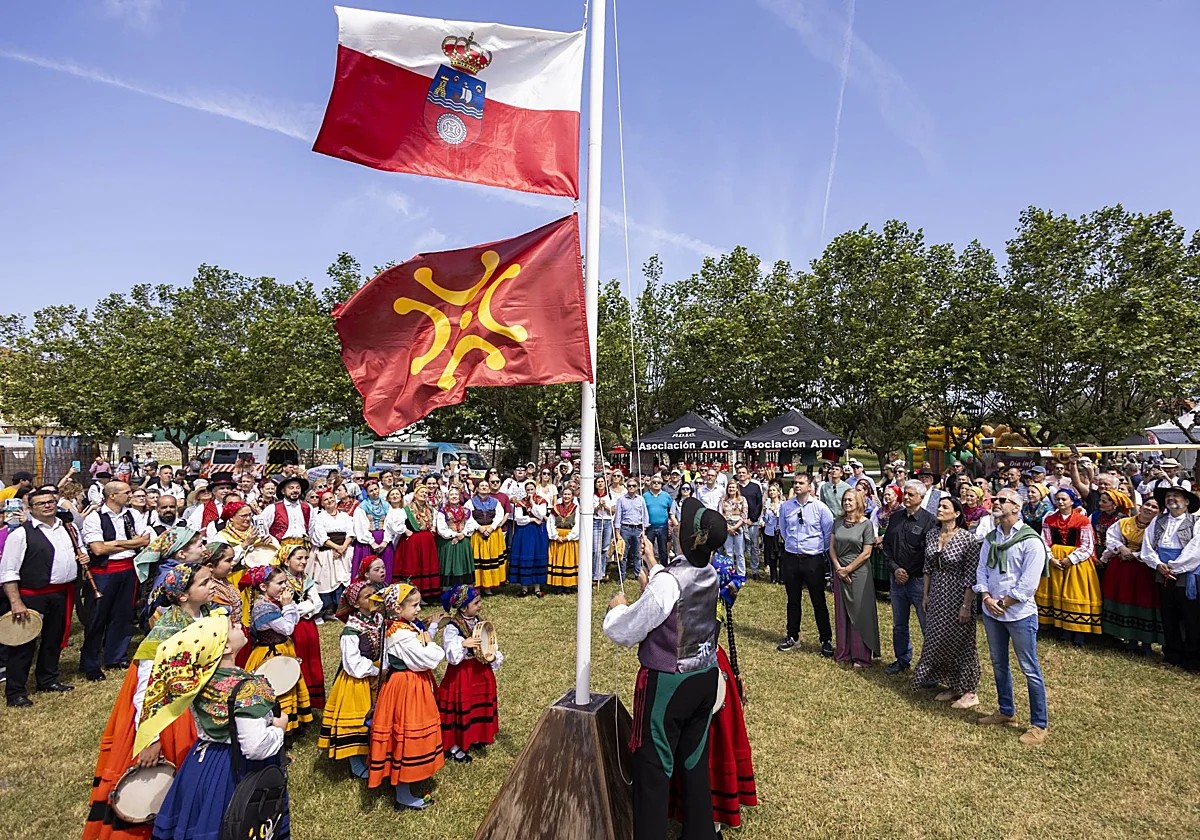
We've organised the calendar by season, with each event's usual dates. Some are fixed — May 25th for the Virgen del Mar, the first Friday of July for the Coso Blanco — while others shift with the liturgical calendar or the weekend, so it's worth confirming the exact date for the current year before planning a trip around them.
Winter festivals in Cantabria (January–March)
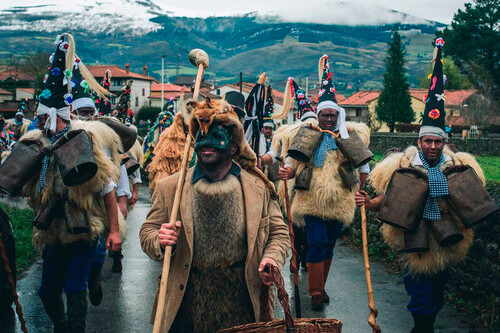
The year kicks off with La Vijanera, in Silió (Molledo), on the first Sunday of January: over one hundred and fifty locals parade in eighty different costumes in what's considered Europe's oldest winter mask festival, declared a Festival of National Tourist Interest. On January 5th, Santillana del Mar holds its Cabalgata de Reyes and Auto Sacramental, a theatrical performance with nearly five hundred participants that's been staged every year since 1959. February brings the Santoña Carnival, with its main parade day mid-month, and in late February and early March, Reinosa and the Toranzo valley keep alive the tradition of Las Marzas, groups singing door to door to call in the arrival of spring. Winter closes with the San José festivities in El Astillero, around March 19th, declared a Festival of Regional Tourist Interest.
Spring festivals in Cantabria (March–June)
Holy Week brings together two of the most striking events on the calendar: the Living Passion of Castro Urdiales, with almost eight hundred actors re-enacting the Passion of Christ through the streets of the old town on the night of Holy Thursday and the morning of Good Friday, and La Folía in San Vicente de la Barquera, a seafaring pilgrimage the following Sunday in which the Virgen de la Barquera sails across the bay to the sound of picayos songs. In May, Santoña dedicates a weekend to the anchovy with its Feria de la Anchoa y la Conserva, and on May 25th Santander honours its patron saint, the Virgen del Mar, with a procession on land and at sea. Spring ends with the night of San Juan: Soto de la Marina, on San Juan de la Canal beach, has the only bonfire in Cantabria declared a Festival of Regional Tourist Interest.
Summer festivals in Cantabria (July–September)
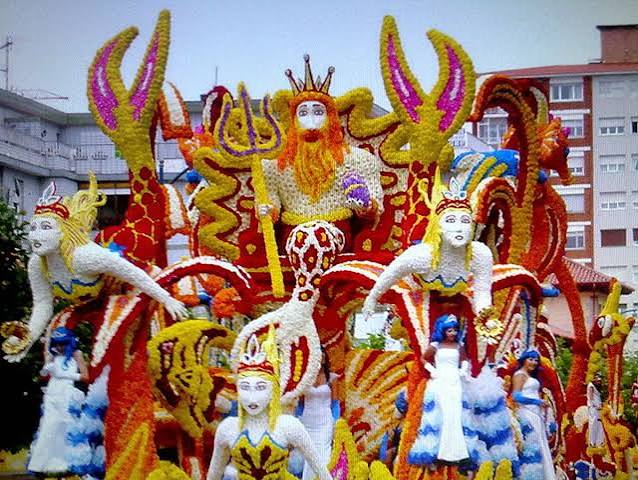
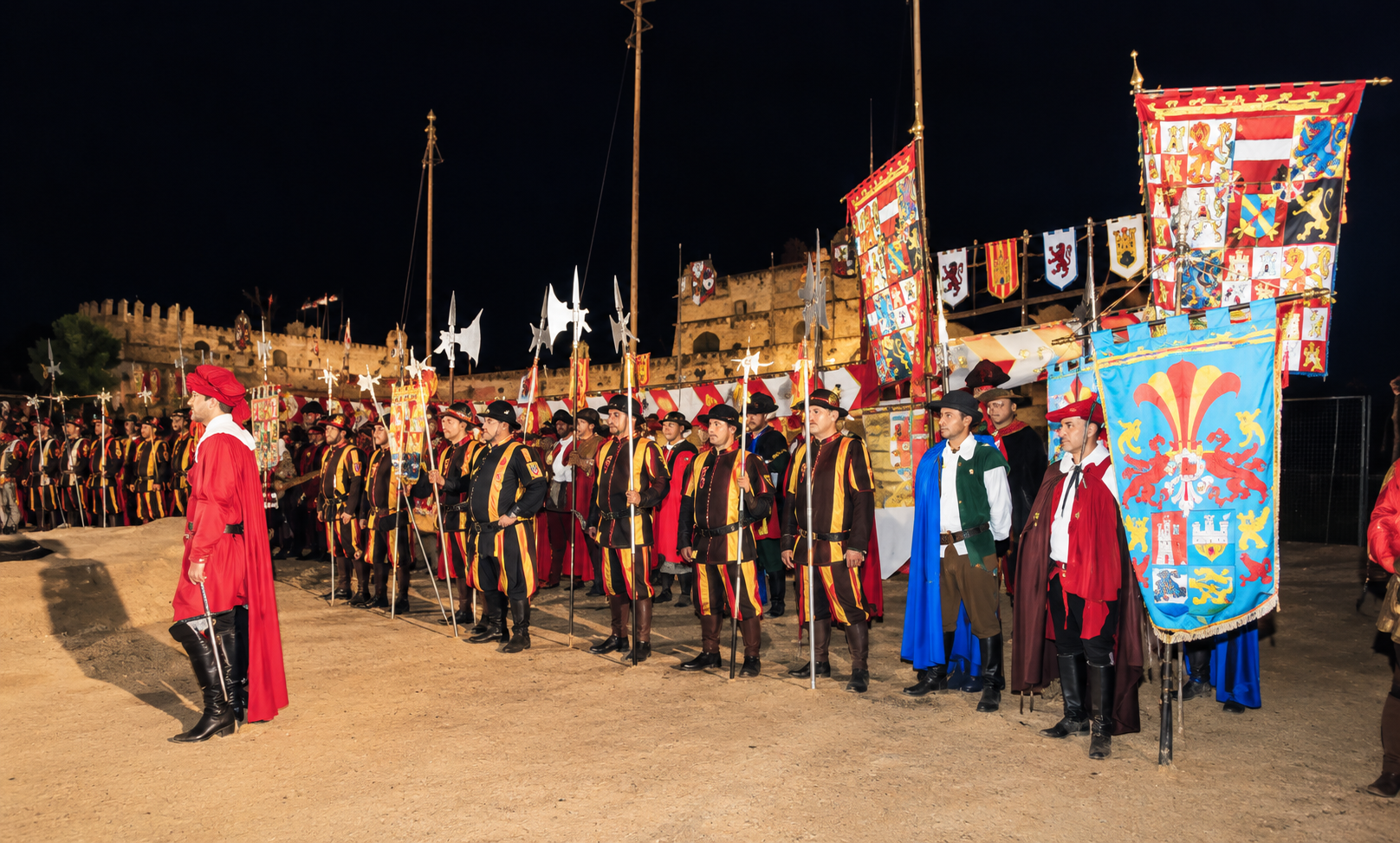
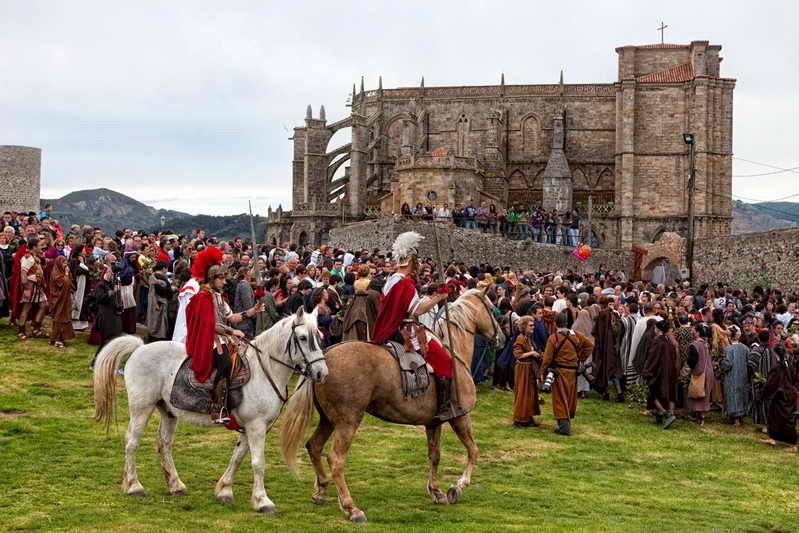
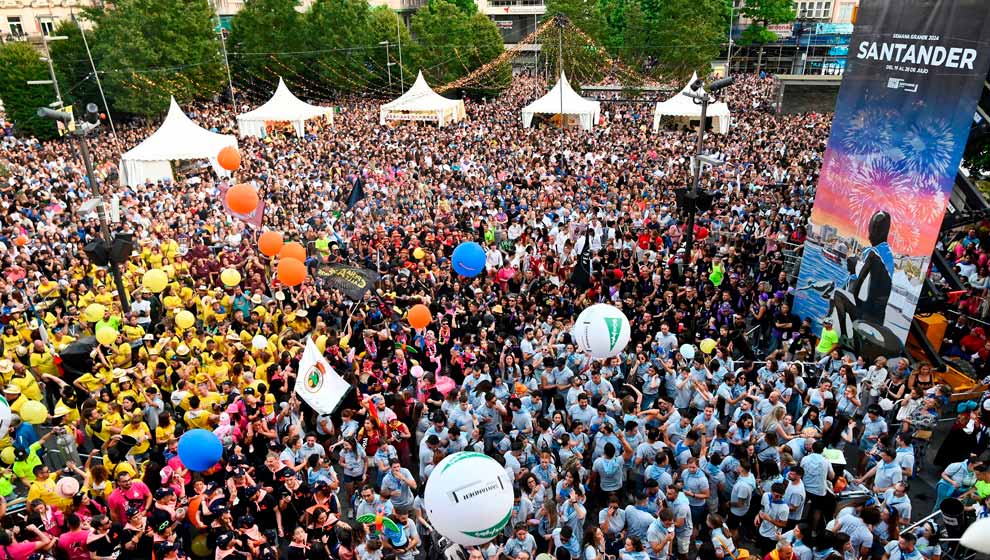
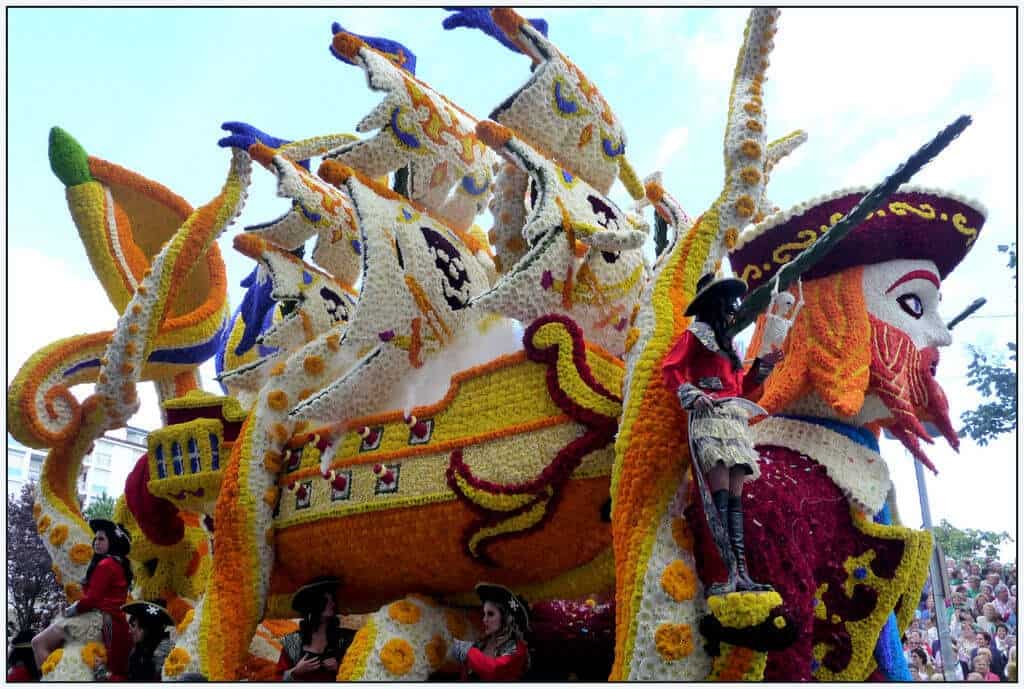
Summer is, by far, the most intense season. It kicks off on the first Friday of July with the Coso Blanco in Castro Urdiales, a night-time parade of floats covered in white cellophane paper that fills the streets with confetti. In late July, around Saint James's Day, Santander holds its Semana Grande, with over three hundred activities including concerts, regattas and fireworks. August is the busiest month: the Día de Cantabria in Cabezón de la Sal, on the second Sunday of the month, brings together crafts and folklore from across the region; Torrelavega holds its Virgen Grande festivities mid-month; and on the last Friday of August, Laredo celebrates the Batalla de Flores, a parade with up to a million and a half fresh flowers that traditionally marks the end of the high season. Summer wraps up straddling August and September with two top-level events: the Guerras Cántabras in Los Corrales de Buelna, the region's biggest historical re-enactment and its only festival of International Tourist Interest, and the Encierros de Ampuero, running uninterrupted since 1941.
Autumn festivals in Cantabria (October–December)
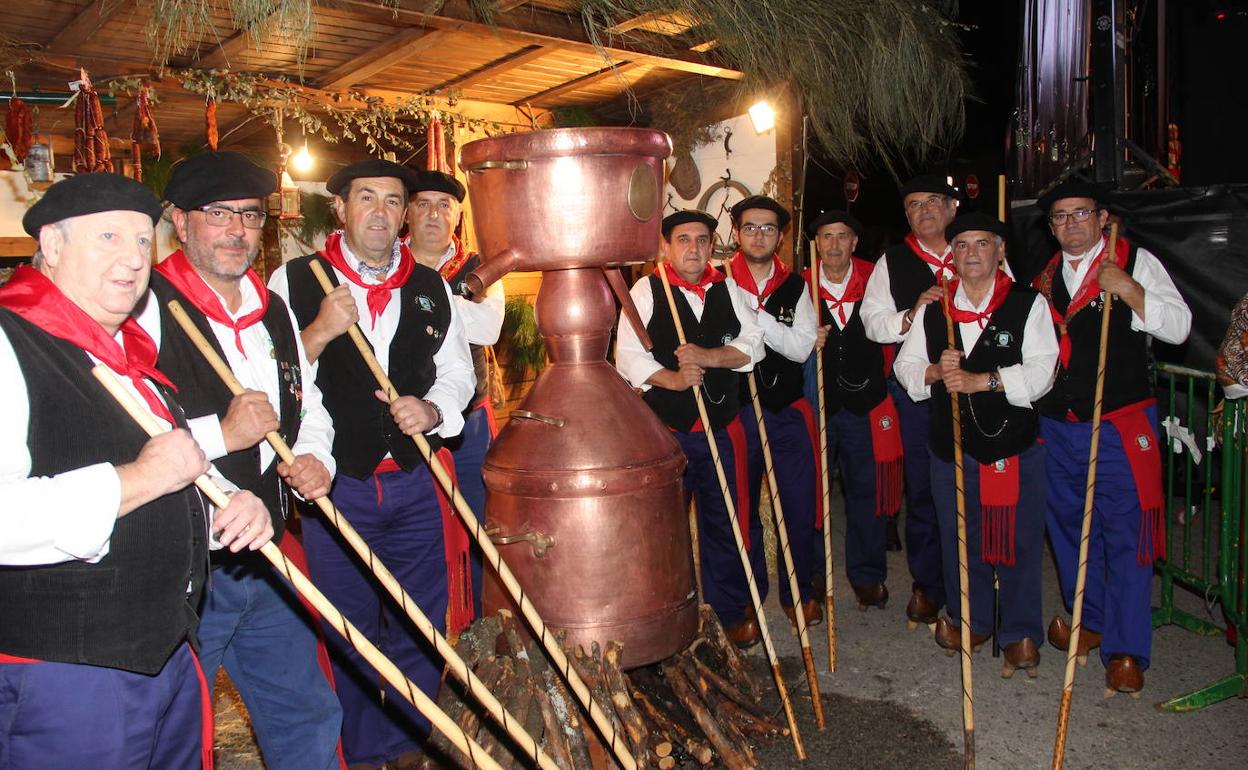
Autumn shifts the festival rhythm towards food. In mid-October, Hoznayo holds the Feria de San Lucas, with a traditional market and displays of rural sports dating back to a 16th-century privilege. That same month, Carmona holds La Pasá, the festival marking the descent of tudanco cattle from the mountain passes. Between October and November, villages in the Buelna valley host their Magostas, days centred on roasted chestnuts held on individual Saturdays. And on the second weekend of November, Potes closes the calendar with the Fiesta del Orujo, the popular tasting of artisan aguardiente held since 1984, which crowns a new Orujero Mayor every year.
What you need to know
All the moveable dates on this calendar — Carnival, Holy Week, San Juan, Guerras Cántabras — depend on the liturgical calendar or a specific weekend, so it's worth confirming them on the relevant town council's website before planning your trip. At the busiest summer festivals (Semana Grande, Guerras Cántabras, Batalla de Flores) parking gets tight: it's best to arrive early or leave the car outside the centre. The complete, up-to-date list of festivals declared of Tourist Interest is maintained by Turismo de Cantabria, with the official page for each one.
In Cantabria you don't need to wait for summer to find a festival: between January and December, there's always some town dressing up for one.
Planning your trip around a festival completely changes the experience: you arrive with a fixed date, you know what to expect, and you can book ahead. If you also want to know the background of the oldest ones — where La Vijanera comes from, or why the Coso Blanco fills up with white confetti — our guide to Cantabria's traditions goes deeper into the origin of each one. And if the date you choose falls in September 2027, we still have availability in our villas at Bareyo Residences.