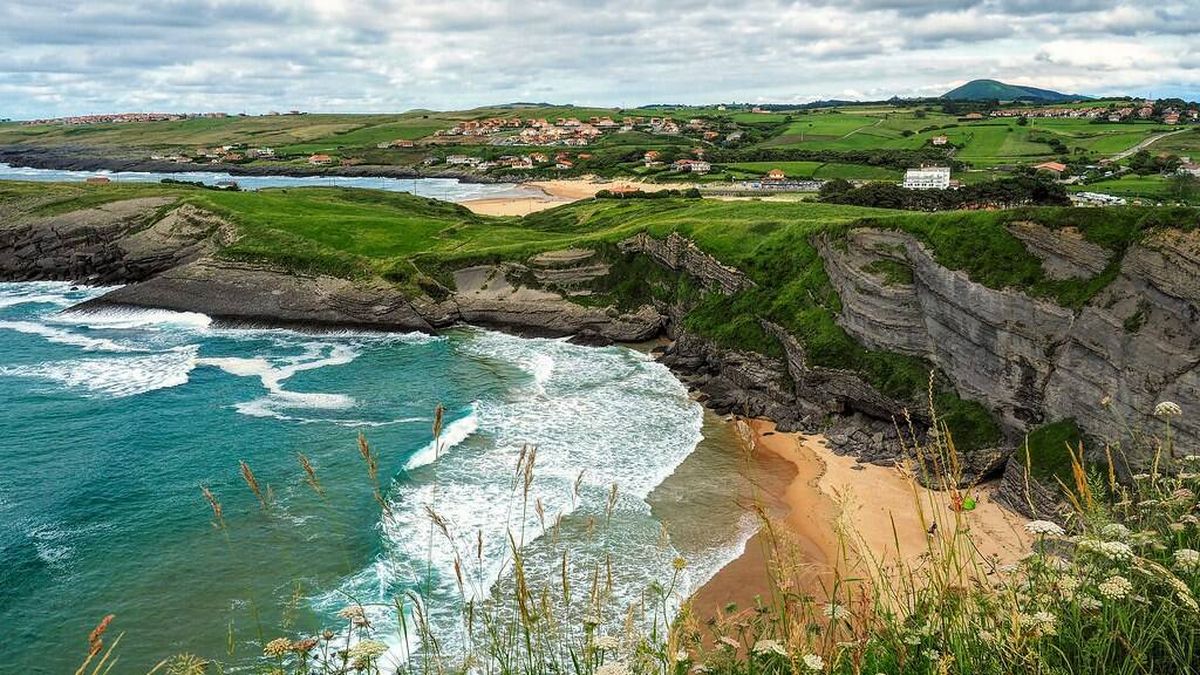
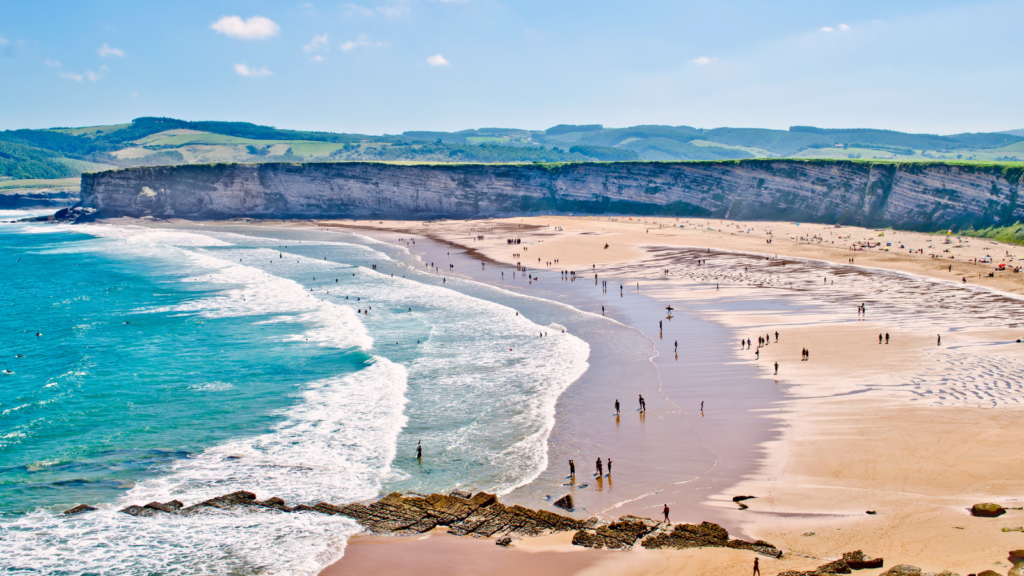
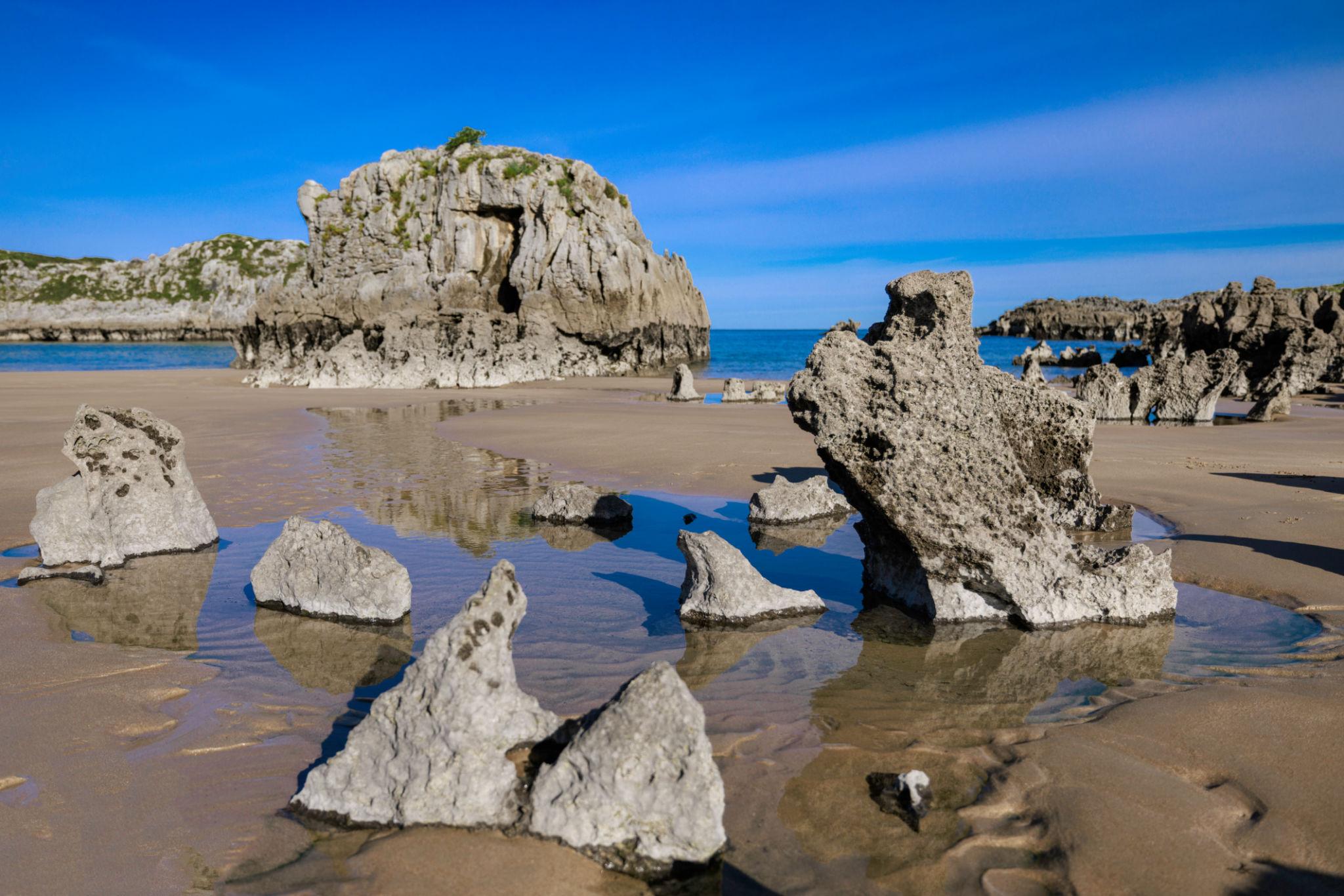
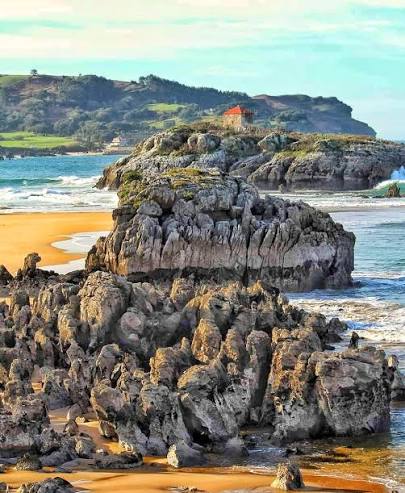
In Cantabria the tide can rise and fall by up to four metres in a single day, so it's worth checking before heading to the beach. The official reference is the tide table from Puertos de Cantabria, based on the port of Santander. Beaches like Antuerta change size depending on the time of day, and at high tide the way across on foot can be cut off.
The first time someone from the Mediterranean sets foot on a Cantabrian beach at high tide, it comes as a surprise: the sand they saw in the photos has vanished under the water. It's not an anomaly or bad luck — it's the normal behaviour of an Atlantic coastline, where sea level rises and falls far more than in the south or east of Spain.
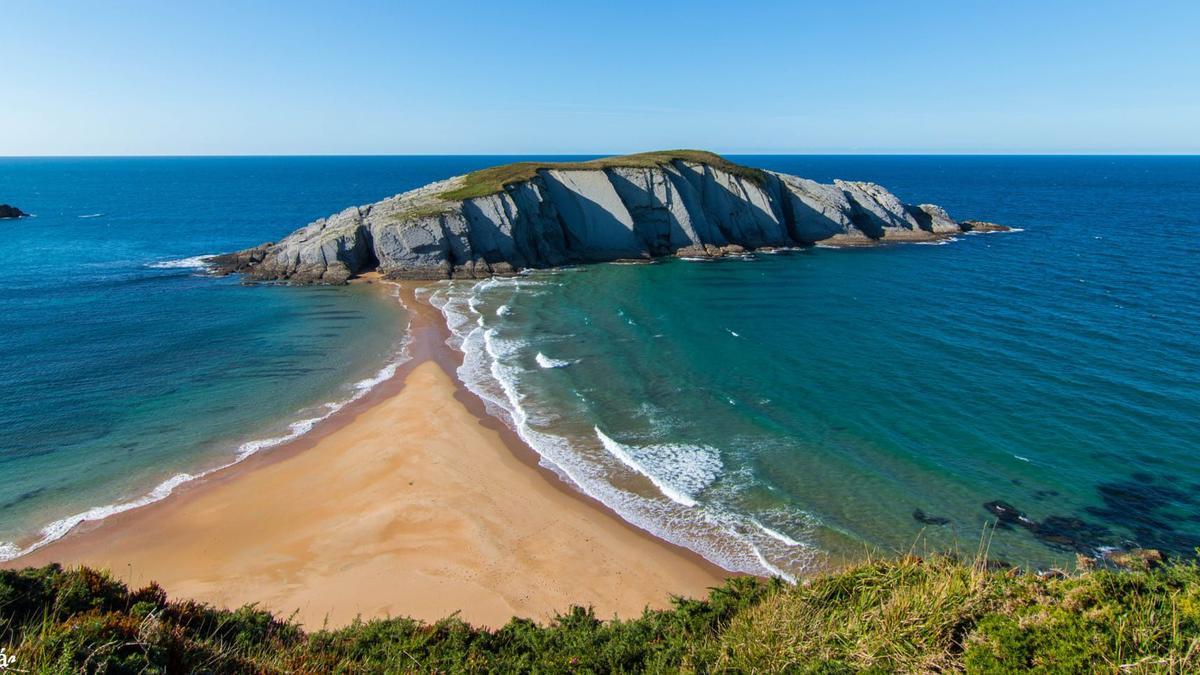
The Cantabrian Sea has semidiurnal tides: two high tides and two low tides each day, spaced a little over six hours apart. The difference between one and the next isn't always the same — it depends on the lunar phase and on what's known as the tidal coefficient, explained further below. Knowing how to read it, even roughly, completely changes how a day at the beach in the area gets planned.
We learned it quickly living near the coast: the tide isn't just another weather statistic, it's the difference between finding the beach from the photos or a sheet of water up to the breakwater. This guide covers where to check it, what the coefficient next to each time means, and how it affects the beaches closest to Bareyo.
Why the tides change so much in the Cantabrian Sea
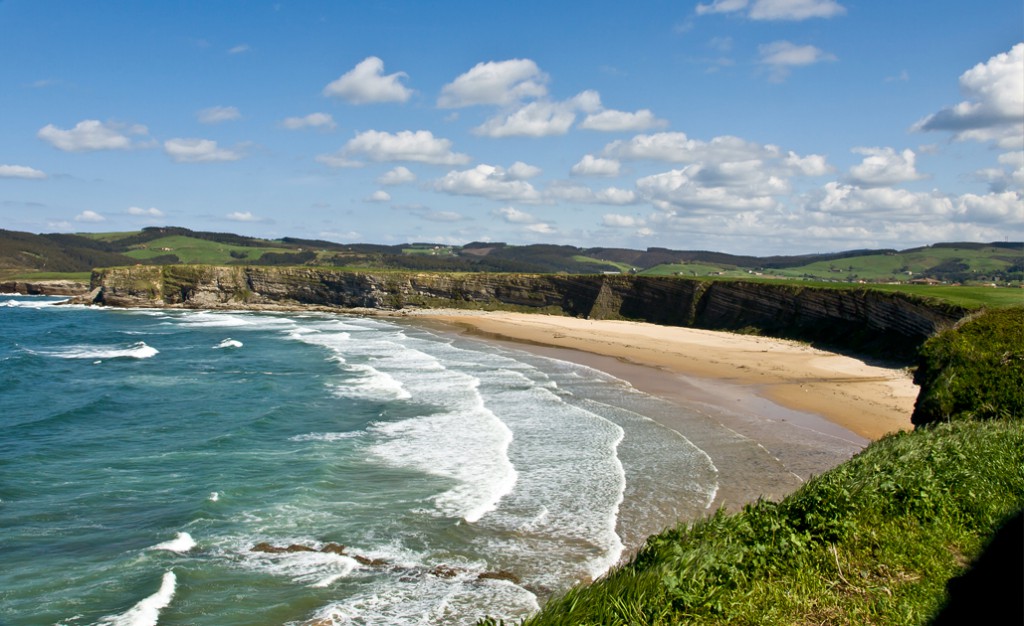
The difference in height between high and low tide on the Cantabrian coast can exceed four metres on days of spring tides, compared with barely 20-30 centimetres across much of the Mediterranean. It's down to the shape of the Bay of Biscay and the width of the Atlantic continental shelf, which amplifies the effect of the astronomical tides. In practice, it means a beach that has 100 metres of dry sand at 10 in the morning can be down to 20 by 4 in the afternoon, or the other way around.
Where to check the official tide table
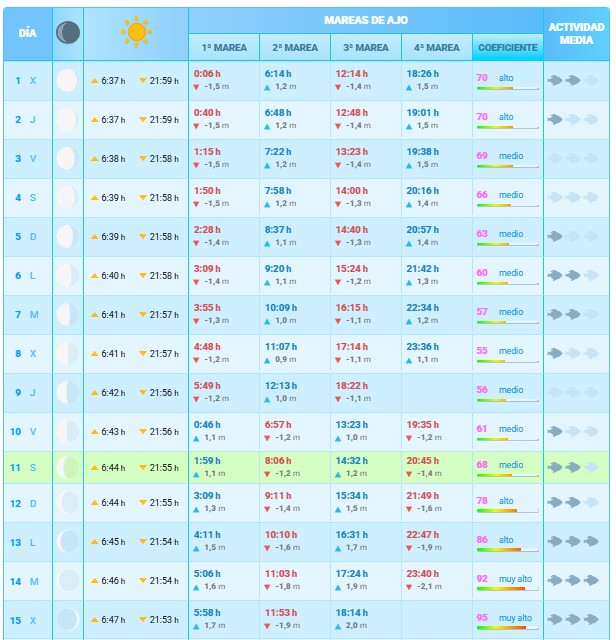
The most reliable reference for the whole Cantabrian coast is the Puertos de Cantabria tide table, which uses the port of Santander as the standard reference point: the rest of the coast is calculated from there with small time variations. It's free, updated daily, and shows the time of each high and low tide along with the height in metres. It's worth checking the night before, or first thing, if the day's plans depend on there being dry beach.
How the tide affects the beaches near Bareyo
Not every beach behaves the same way. Cuberris, the municipality's main beach, keeps a reasonable stretch of sand at almost any tide thanks to its size. On small coves like Antuerta, on the other hand, the margin shrinks a lot at high tide, so it's worth going down at low or mid tide if you want plenty of space. Other more open beaches in the area change appearance completely between high and low tide, revealing stretches of firm sand that high tide covers almost entirely. For surfing, the tide also affects wave quality at Cuberris: many locals prefer mid tide, when the seabed works better.
Tidal coefficient: when to take extra care
On the official table, each tide comes with a coefficient between 20 and 120: the higher it is, the bigger the difference between high and low tide. Coefficients above 90 (spring tides, linked to the full and new moon) are the ones that shrink the available beach the most and the first to cover rocks, breakwaters or crossings that look completely dry at low tide. Those are the days when it's most worth planning the way back carefully if you've gone down to a cove or a stretch of coast with no direct way out.
What you need to know
- Check the Puertos de Cantabria tide table before planning your day at the beach.
- The Cantabrian Sea has semidiurnal tides: two highs and two lows every 24 hours, spaced about six hours apart.
- A tidal coefficient above 90 means spring tides, with a bigger difference between high and low tide.
- On small coves like Antuerta, avoid staying at high tide if you don't know the access well.
- If you go snorkelling or explore rock pools, do it at low or mid tide, never as the tide starts to come in.
In Cantabria the beach isn't a fixed place, it's a strip that moves several times a day, and it's worth learning to read it.
Anyone staying several days near the coast ends up learning to read the tide almost without meaning to, the same way you learn to check the sky before heading out. It's one of those local habits that completely change how you enjoy the beach, without depending on what the clock says. If you want to see the rest of the options near Bareyo with full access and facility details, take a look at our guide to beaches near Bareyo. At Bareyo Residences, five minutes from Ajo beach, reading the tide is part of everyday life, and the complex's villas with private pools, expected to be available from September 2027, are designed for those who want to live the Cantabrian coast at their own pace.