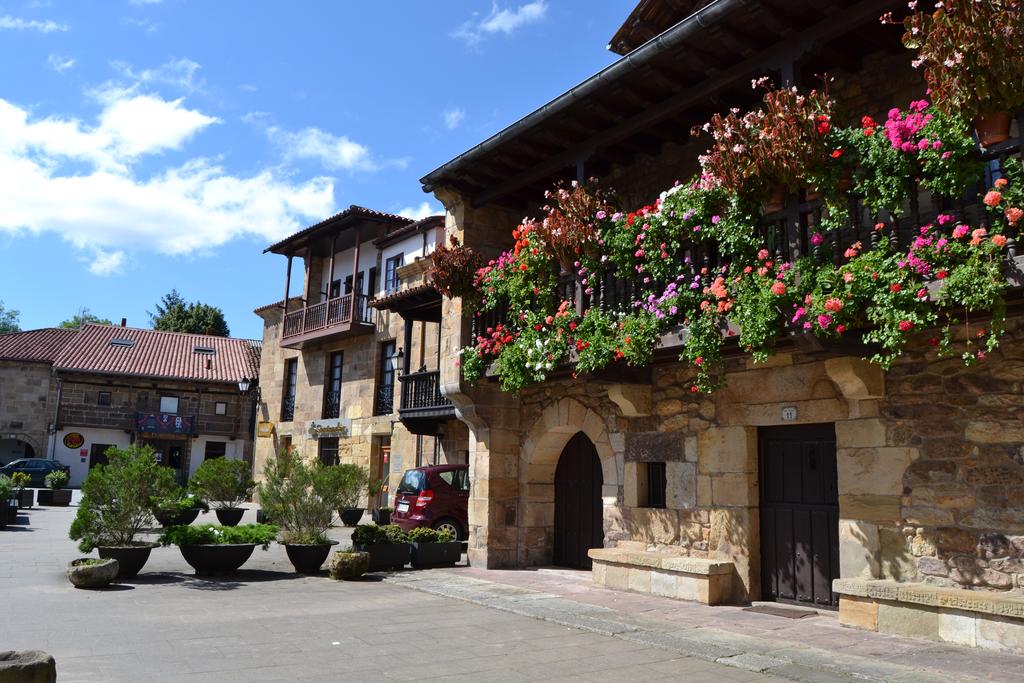
Mountain architecture is the traditional building style of inland Cantabria: stone stately homes with heraldic coats of arms, carved wooden balconies and galleries, built between the 17th and 19th centuries by hidalgos and by indianos who made their fortune in the Americas. It's best preserved in villages like Bárcena Mayor, Carmona, Barcenillas, Tudanca, Santillana del Mar and Comillas.
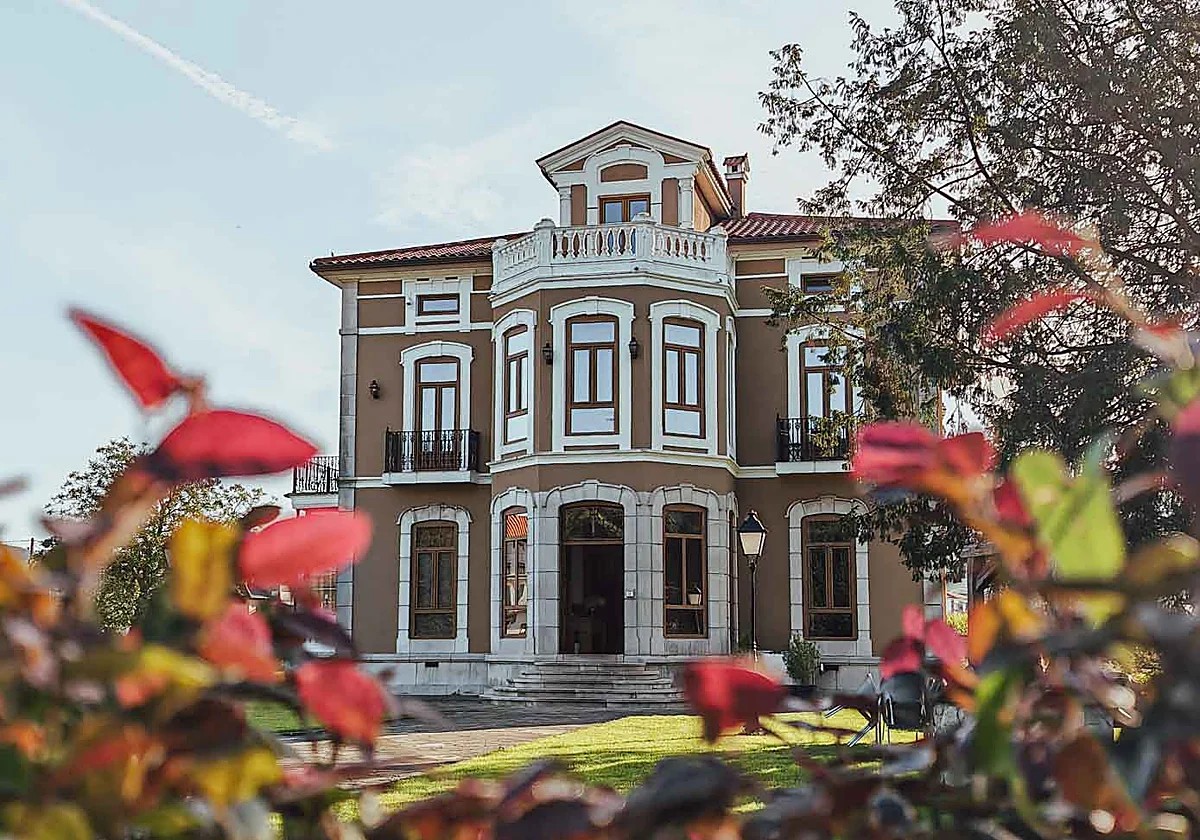
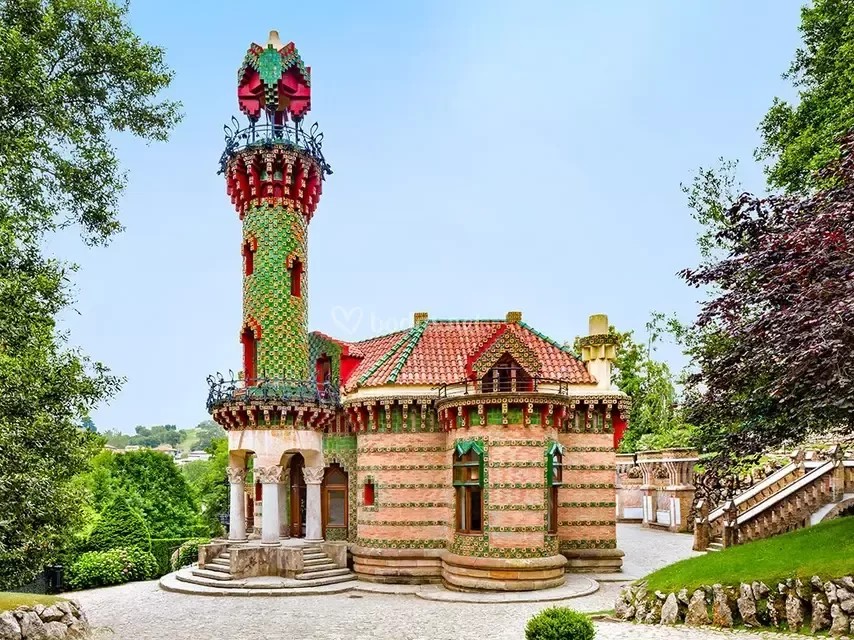
Long before tourism discovered Cantabria, two kinds of fortune had already shaped it. First, that of the hidalgos who earned their name during the Reconquista and in the wars of the Spanish empire; later, that of the indianos who emigrated to Cuba, Mexico or Argentina and came home wealthy to their native valley. Both resolved their return with the same gesture: building a house that said, in stone, who they were. That's where mountain architecture comes from, blending two layers: the baroque stately home of the 17th-18th centuries and the indiano architecture of the late 19th century, with Gaudí's Capricho in Comillas as its most eccentric piece.
What follows isn't an art-history lesson, but a guide for walking with your eyes open: what to look for on a façade, why a solana is no ordinary balcony, and in which specific villages — mostly inland, in the Saja-Nansa and Liébana valleys, though also on the coast — you can see this heritage well preserved, with no entry fee, just by walking around.
Stone stately homes and heraldic coats of arms
The montañesa stately home is a rectangular building with rubble-stone walls, its main façade almost always crowned by a coat of arms carved in sandstone. That crest identified the owner's lineage, at a time when building big and displaying the family name was practically a statement of status. The finest baroque stately homes — with arcades below and a large solana above — were built between the late 17th century and throughout the 18th, largely funded by money that came from the Indies. In Santillana del Mar, streets like Calle Juan Infante or Calle del Cantón hold a remarkable collection of crested stately homes — the Casona de los Hombrones, the Casa de Bustamante, the Palacio de Velarde — so it's worth focusing on those specific façades and not just the village as a whole.
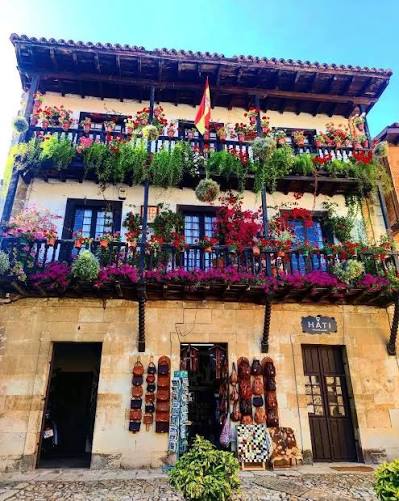
Solanas and wooden balconies
The solana sets a montañesa stately home apart at a glance from any other rural building in northern Spain: a continuous wooden gallery, facing south, that in the wealthiest stately homes rests on a stone-arched arcade. The Saja-Nansa valley holds some of the region's most monumental solanas — the one in Barcenillas, over twenty metres long with five arches, is an exceptional case even by Cantabrian standards — and in Liébana and other inland valleys the same pattern repeats on a smaller scale: carved balconies, worked eaves and wrought-iron railings. It's also worth noting their use: these balconies were for drying corn and peppers, not just for showing off lineage.
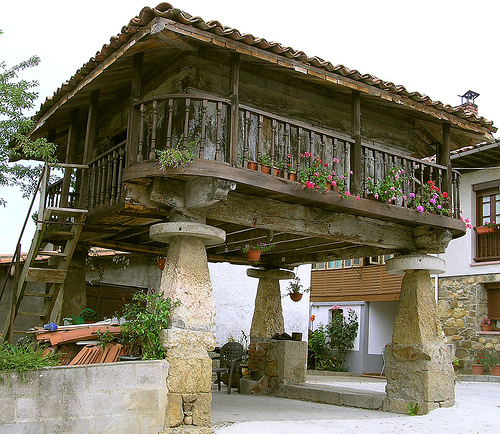
Granaries and hórreos
The hórreo and the panera — raised structures on stone pillars, designed to keep grain safe from damp and rodents — are considerably less common in Cantabria than in Asturias: most disappeared once stately homes added wooden balconies for drying corn, which made the standalone structure unnecessary. Even so, individual examples survive in inland villages, especially in the farming valleys of Saja-Nansa and Cabuérniga, next to cattle sheds or in meadows near the stately homes. It's worth stopping in front of one if you come across it on the way: it's the humbler version of the same building culture that raised the noble stately homes.
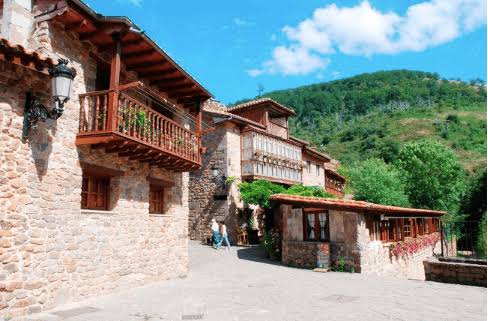
Villages where you can see mountain architecture best preserved
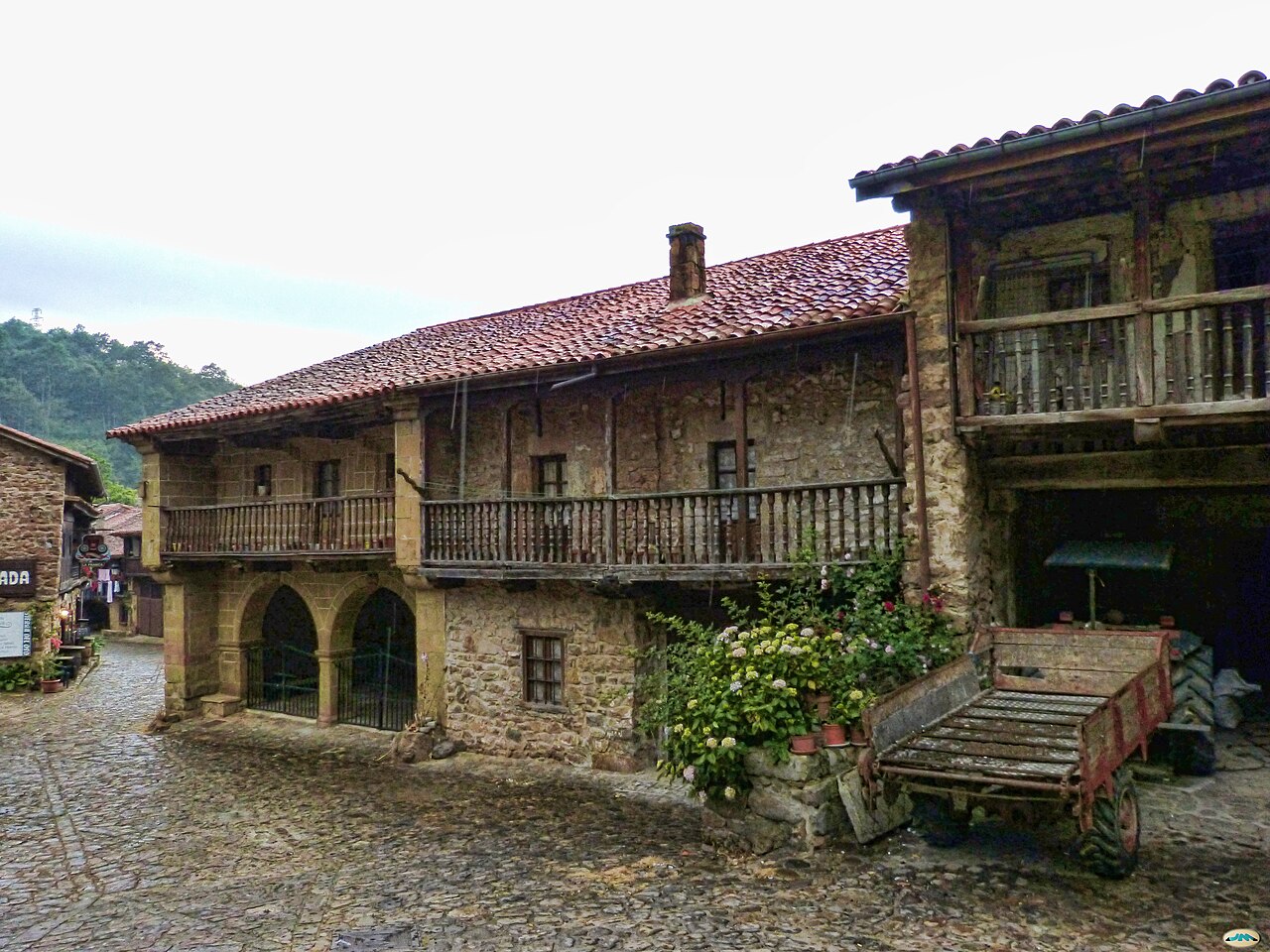
Bárcena Mayor, in the Saja valley, is probably the most complete ensemble: a compact core of stone and timber that has barely changed since the 18th century, along two streets — La Calleja and La Larga — best explored on foot, leaving the car in the access car park. Carmona, in Cabuérniga, rivals it in preservation and adds the Palacio de los Díaz Cossío y Mier, an 18th-century stately home in a Madrid baroque style unusual for the region. Barcenillas, somewhat less known and therefore quieter, holds several crested stately homes and the solana already mentioned. Tudanca, in Liébana, offers the Casona de Tudanca, built in 1752 by an indiano who made his fortune in Peru and now a house-museum; the Cantabria Tourism listing has the details for the guided visit. Santillana del Mar provides the urban counterpoint, with crested stately homes lined up along its streets. And Comillas represents late-19th-century indiano architecture, with Gaudí's Capricho as its most visited piece alongside the Palacio de Sobrellano; Ruiloba, nearby, keeps similar examples with views of the Picos de Europa. If you'd like to come back to any of these villages with a different focus, our guide to Cantabria's most beautiful villages has more corners to explore at your own pace.
What you need to know
All these villages are freely accessible, except for the monuments with their own management — El Capricho de Gaudí or the Casona de Tudanca — which do have set hours and an entry fee.
Bárcena Mayor and Carmona are best explored on foot: you can't drive into the centre, you have to leave the car in the designated car park.
Most of these stately homes are private property and still lived in — admire the façades from the street, without stepping into doorways or grounds.
The architectural interest is usually on the upper floor: it's worth looking up so you don't miss the coat of arms or the carving on the solana.
In July and August, Santillana del Mar and Comillas see more visitors mid-morning; the inland villages keep a quiet pace almost all year round.
“A montañesa stately home isn't admired all at once: it's read from bottom to top, from the stone coat of arms to the wooden solana, like walking through two centuries on a single façade.”
Bareyo, though facing the sea rather than a valley, shares with these villages the same building logic of inland Cantabria: exposed stone, wooden eaves and a domestic scale that works with the landscape instead of competing with it. If this route makes you want a fixed base to return to it at your own pace, the homes at Bareyo Residences, due for completion in September 2027, are designed with that same respect for stone and wood as the identity materials of the eastern coast.